

What’s the one thing you look forward to come September? Pumpkin Spice Lattes, Gilmore Girls, simmer pots and baking. For tech nerds like myself, Apple Event is something pretty high on that list and this year did not disappoint.
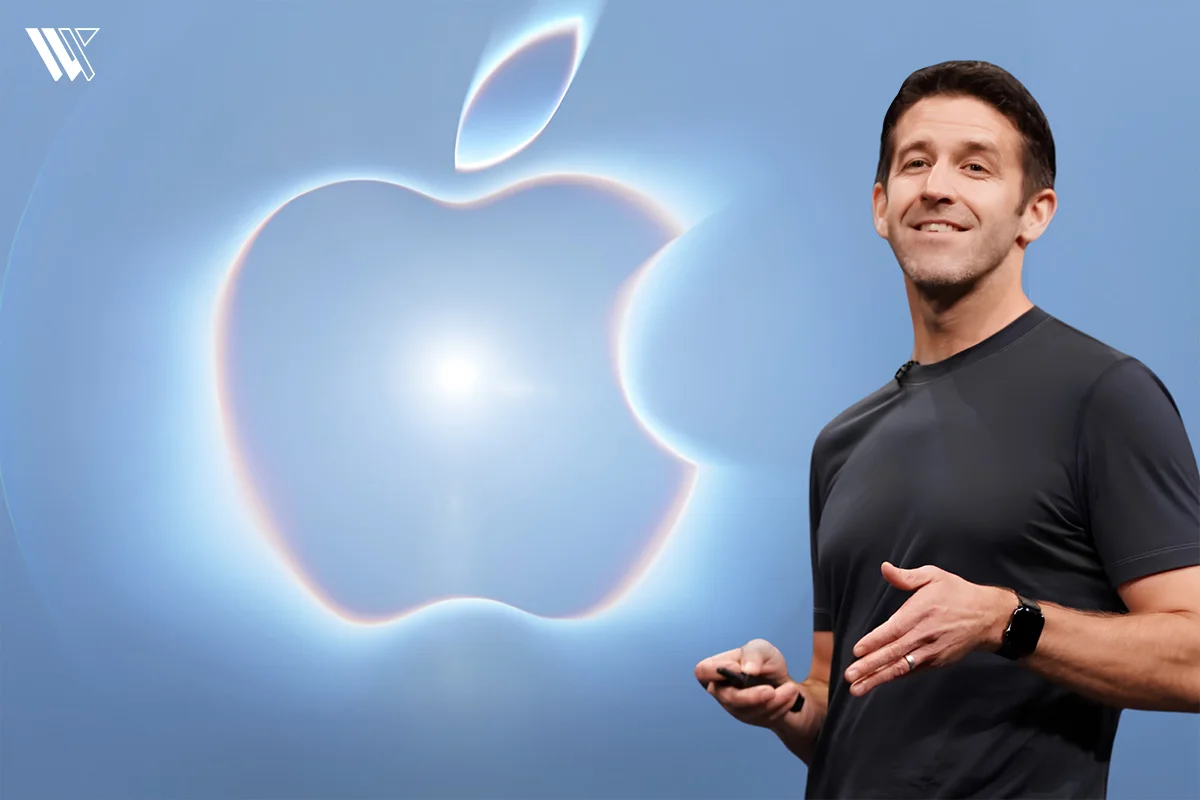
The September Apple Event 2026 just wrapped up yesterday. The foldable iPhone dominated the headlines. But if you’re one of those who actually read WearableXP (hi, hello, love that for you), you know the main topic for the week: changes in the line of Apple Watch and AirPods. In total, there were 3 new products- well, 4 if you wanna get technical– the Apple Watch Series 12, Apple Watch Ultra 4, AirPods 5 and AirPods 5 with a wireless charging case, released on September 9.
Starting with basics that everyone needs to know, the Series 12 starts at $399, Ultra 4 at $799 and AirPods 5 are available for $129 and for $149 in the wireless charging case. Pre-orders have already started, while availability starts on September 18.
The bigger theme tying all these Apple wearables together is health sensing. This one is called the new Health Sensing System and can be found on both watches. The system features more frequent heart rate measurements, Readiness score, Health Age and Apple Intelligence analyzing the results in order to make them understandable for everyone.
Decode the Decor
The Smart Jewelry Revolution — a practical guide to wearable tech.
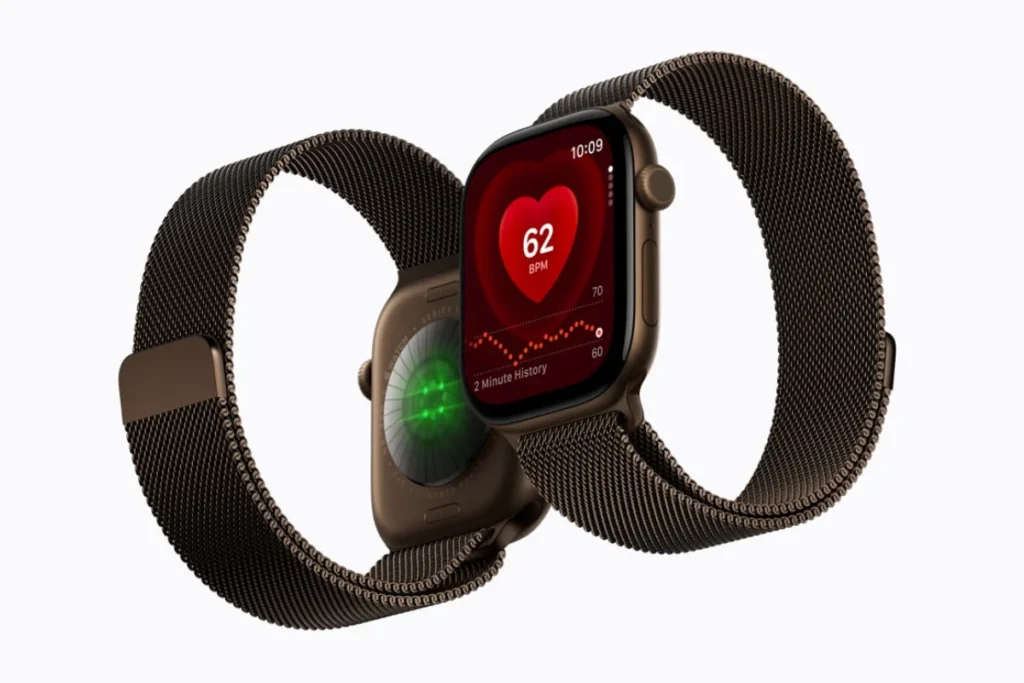
Apple Watch Series 12 Brings a New Health Sensing System
© Apple
Series 12 appears pretty much identical to the Series 11 when viewed from across the room and honestly, I wasn’t expecting a change in the form factor either. Apple knows what works and why fix something that isn’t broken? What they did fix, though, was what was going on under the hood this time around.
Powered by the new S11 chip and featuring an entirely revised sensor cluster including an updated ECG electrode and photodiodes in a ring arrangement for enhanced light readings off your skin, that leads to 60 times more frequent heart rate monitoring through a revamped Heart Rate app and watch face complications and, according to Apple, the most accurate one in the entire world of wearables, thanks to a study comparing its performance to an ECG chest strap during running, cycling and HIIT activities. That’s quite a big claim but as someone whose very interest in tech began with Apple, I don’t doubt it.
What’s more? A lot. For starters, it powers a new Readiness score based on 3 factors- the previous day’s activity, sleep and your vitals. It shows when you should recover, pace yourself or push and can also change throughout the day depending on your vitals. This is Apple’s answer to what WHOOP and Oura have been doing for years. HRV has also been added to the Vitals app to give you an overall view of your health all day.
You know, only a few days ago I was wondering about the new obsession with wearables and biological age and what Apple gives us? Health Age! Health Age is a feature that allows you to see how your numbers compare to your actual age using Apple Intelligence. Let me put it clearly– Health Age is not an official medical test of biological age but rather Apple’s own rating system. It uses the metrics your Apple Watch tracks along with your blood markers to calculate how “old” your body is. It looks pretty cool, but don’t expect your doctor to recognize it.
You can input your blood panel yourself or, for $119 in the U.S., you can get a Quest blood panel of 50+ biomarkers that will feed into it. On the audio front, the S11 chip’s always-on processor enables Siri and Audio Intelligence features including Sound Recognition, which will alert when a siren alarm rings, a doorbell rings or the baby starts crying, especially useful for people with hearing difficulties and Live Rewind, which is the capability to provide a transcription of what was spoken during the previous 15 seconds. Pretty cool and a little creepy, if you ask me!
Also, there’s Siri Recap, which is the summary of the dialogue in the Siri app. According to Apple, it does not retain any audio file. Siri Recap is currently in beta version and it is only available in English this year. It’s no wonder it immediately sparked privacy discussions online. A device constantly recording parts of your conversation seems a little bit invasive, like I said.
On the design part, the aluminum watch receives a Ceramic Shield coating of the screen, titanium remains in Radiant Gold and Natural and ceramic returns this year after the Series 5. Pearl White and Night Blue, if you’re into it. Aluminum in 4 colors- Light Gold, Black, Space Grey and a new Dark Bronze (very Hailey Bieber, if you ask me!).
Battery life remains the same at 24 hours of daily use as in Series 11, but with improved charging times now.
Apple Watch Series 12 starts at $399 and is available to pre-order now, with units shipping September 18.
Apple Watch Ultra 4 Is Built Around Battery, GPS and Health
© Apple
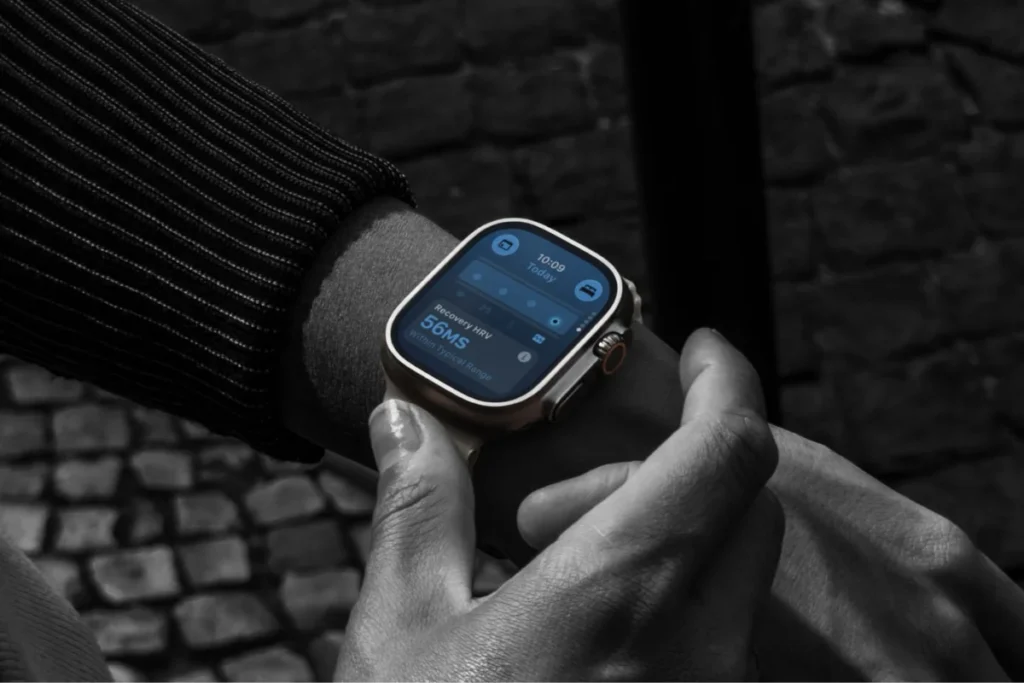
The Apple Watch Ultra 4 uses the exact same S11 chip as the Series 12 as well as the same Health Sensing System, hence providing the same advanced heart rate tracking and Readiness score. However, Ultra 4 has nothing to do with competing with Series 12 in terms of the features available because it focuses on what Apple made for people who spend hours running.
It all comes down to battery. The daily battery life increases to a maximum of 50 hours per charge, which is up from 42 hours in Ultra 3. The workout experience improves thanks to an Extended Workout mode that allows you to run up to 25 hours and get data with GPS tracking and heart rate readings. If this amount of runtime is not sufficient, you can use the Max Extended Workout mode that will give you up to 45 hours of tracking but still provide a GPS reading every second, which should be enough to complete even a 100-mile race.
GPS received attention too. According to Apple, Ultra 4 features its most accurate positioning ever on a sport watch and its pedometer has received a complete overhaul via machine learning in order to provide improved estimates of distance traveled indoors and step count in general, with a brand-new Steps complication right on the watch face.
Design hasn’t changed much and remains natural-looking and made out of black titanium, just like always. Apple introduced a whole range of bands as well with new color variations of Trail Loop, Alpine Loop, Ocean and Hermès Ultra 4, for those that seek both functionality and luxury in their watches.
All the key features introduced by Series 12 in terms of health monitoring have made it into Ultra 4 as well, including Readiness, high frequency HRV, Audio Intelligence and Siri Recap. The only major difference lies in its endurance case made by Apple.
Ultra 4 starts at $799 and shares the exact same pre-order and shipping schedule with Series 12.
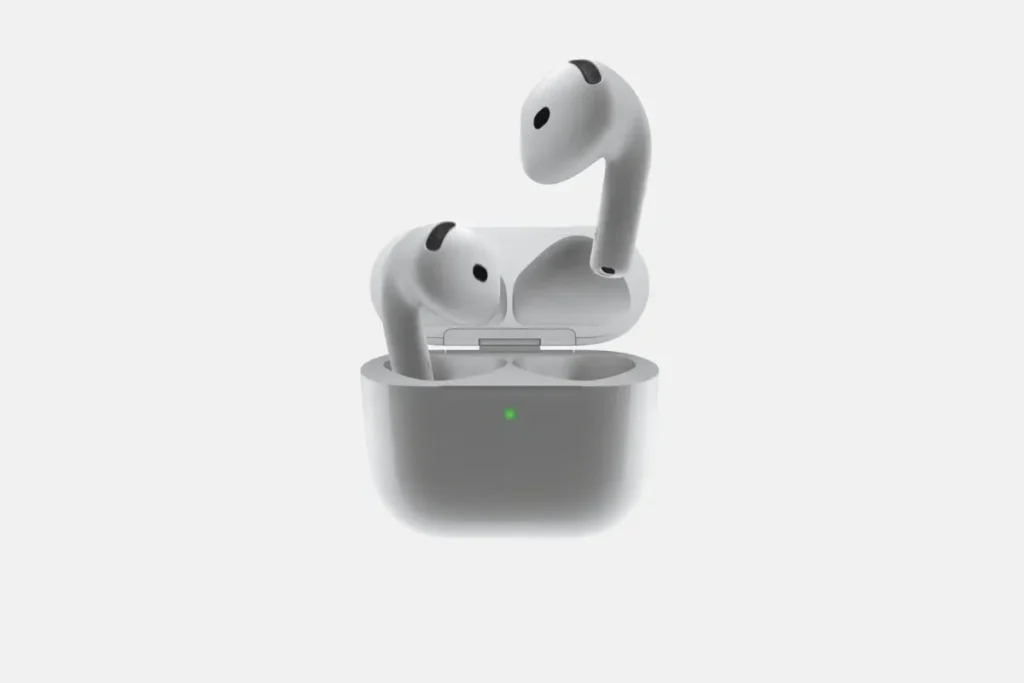
AirPods 5 Add Active Noise Cancellation to Apple’s Open-Ear Lineup
Apple AirPods 5
This one really caught me off guard. With AirPods 4, you were either spending $129 for a basic model or $179 for ANC. AirPods 5 does away with this split entirely. Both models come standard with Active Noise Cancellation, starting from $129, while the premium AirPods 5 with Wireless Charging Case comes with a sensor on the stem for volume swiping, an extra hour of listening time when ANC is turned on and wireless charging, at $149.
The price for noise-canceling AirPods just decreased by $50 for the next generation. It’s those decisions that make people suggest products even to those friends of yours who have no interest in specs and are just looking for a great pair of noise-canceling earbuds to wear during the commute to work.
As for audio, Apple designed a brand-new multiport acoustic architecture and adaptive EQ for more accurate sound regardless of ear shape, making the Personalized Spatial Audio experience more immersive. And regarding noise-canceling technology, Apple claims that its open-ear ANC cancels up to 50 percent more external noise than AirPods 4 with ANC, not to mention the improved Transparency mode.
An AI component is included as well. Siri AI, which is being released for the beta version of iOS 27, understands the context in your texts and emails, works hands-free with AirPods and allows you to reply simply by nodding or shaking your head instead of verbally speaking. Live Translation feature, using Apple Intelligence, is now accessible to all AirPods models allowing you to hear your conversations being translated in real time.
The $129 version gives you 4 hours of listening time with the ANC switched on and around 20 hours with the case. In contrast, the $149 version allows for 5 hours per charge with ANC and 22 hours total with the case. Both have improved their resistance to dust, sweat and water compared to their predecessor.
Apple’s Biggest Wearable Health Changes Are Coming From Software and Sensors
But let’s step away from the products for a moment. The larger picture here is that of a company like Apple creating a pipeline of health services, from more frequent sensor readings to software making sense out of the information and finally Apple Intelligence pulling everything together.
Hardware is provided by the Health Sensing System, Readiness scores are calculated thanks to those readings and Health Age analyzes your biological age versus your actual age.
Redesigned Health app pulls all these things together in more understandable terms, but it is yet to arrive this year.
Apple Is Also Bringing AI Deeper Into Its Wearables
The world is moving towards AI, for better or worse, I’ll let you be the judge. The Apple Watch is not suddenly an “AI device”, but AI performs much more practical functions on your wrist and in your ears. On the Apple Watch, it includes more awareness, which includes Sound Recognition, Live Rewind and Siri Recap, all running on the efficient always-on processor in the S11 chip.
The AirPods’ AI includes access through Siri AI, which pulls information from your real messages and calendar so that you don’t have to unlock your phone, as well as Live Translation for those who travel or communicate with family members in another language.
Timing is crucial in this case, as Apple Intelligence arrives with iOS 27 on September 14, while Siri AI comes as a beta version on September 14th in English and will come in other languages later in October. Not everything mentioned this week will be available right away on your device.
The New Apple Wearables at the Apple Event 2026
| Product | Starting Price | Headline Feature | Best For |
|---|---|---|---|
| Apple Watch Series 12 | $399 | New Health Sensing System | Everyday health and fitness |
| Apple Watch Ultra 4 | $799 | Battery, GPS and health upgrades | Athletes and outdoor training |
| AirPods 5 | $129 | ANC now standard | Everyday listening |
| AirPods 5 with Wireless Charging Case | $149 | ANC plus wireless charging | Anyone who wants the extra convenience |
Wrap Up
While there may be room for debate on specifics, what really matters is the overall trend. Not only do all these devices collect data continuously, they also collect more data at each session and more sophisticated types of data (such as more frequent heart rate monitoring, second-to-second GPS tracking on Ultra 4 and context-aware audio).
The real issue, however, is whether the software can catch up with all the new capabilities that have been implemented in the hardware. The Health Age update, Health app redesign and complete launch of Apple Intelligence are not available yet. The hardware is ready, but software is not.
If you are trying to decide whether you should purchase right now or wait, that is what you should take into account. The hardware updates are definitely worth it themselves, but the true value of Apple’s health vision will be clear only after the Health app becomes available.
Decode the Decor
The Smart Jewelry Revolution
A practical guide to wearable tech's future — delivered straight to your inbox.
Author
