 Screenless BandsFitbit Air vs Ultrahuman Air: Which Screenless Wearable Is Right for You?
Fitbit Air vs Apple Watch: Which Wearable Is Better for Health Tracking?
Have you ever thought about how much information a small device on your wrist can tell you about your health? From tracking your daily activity to keeping an eye on your sleep and heart rate, wearables have slowly become a part of everyday life. But not everyone wants the same experience. Some people prefer a simple band that quietly collects health data in the background, while others want a smartwatch that keeps them connected, tracks their workouts and gives them quick access to important information.
Independently tested. We never accept payment for reviews.How we test
What’s inside11 sections · 14 min read
- 01Fitbit Air vs Apple Watch Comparison Table1 min
- 02Design and Everyday Wear Compared2 min
- 03Health Tracking Features Compared3 min
- 04Fitness Tracking: Fitbit Air vs Apple Watch for Workouts3 min
- 05App Experience: Fitbit Ecosystem vs Apple Watch Ecosystem1 min
- 06Battery Life Compared: Screenless Wearable vs Smartwatch1 min
- 07Accuracy and Health Insights Compared1 min
- 08Who should buy Fitbit Air?1 min
- 09Who should buy Apple Watch Series 12?1 min
- 10Final Verdict1 min
- 11FAQs1 min
Have you ever thought about how much information a small device on your wrist can tell you about your health? From tracking your daily activity to keeping an eye on your sleep and heart rate, wearables have slowly become a part of everyday life. But not everyone wants the same experience. Some people prefer a simple band that quietly collects health data in the background, while others want a smartwatch that keeps them connected, tracks their workouts and gives them quick access to important information.
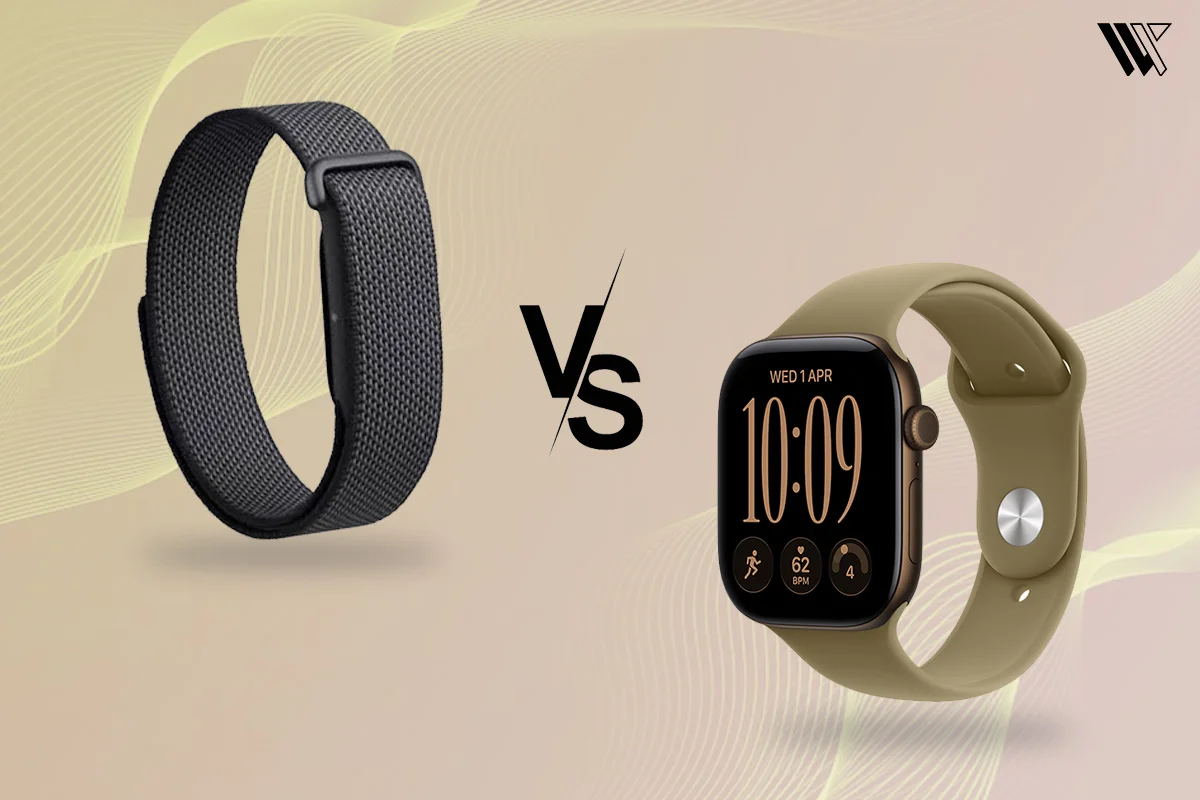
This is where the Fitbit Air vs Apple Watch comparison gets interesting. The Fitbit Air takes a simpler approach with its screenless design and focus on everyday health tracking, while the Apple Watch Series 12 combines health and fitness features with a complete smartwatch experience. Both have their own strengths, but they are designed for people with different priorities.
So, which one makes more sense for everyday use? Let’s compare their health tracking, fitness features, battery life, design and smart capabilities to find out.
Fitbit Air vs Apple Watch Comparison Table#
| Specifications | Fitbit Air | Apple Watch Series 12 |
|---|---|---|
| Product type | Screenless fitness tracker | Smartwatch |
| Dimensions | 34.9 × 17 × 8.3 mm | 42mm or 46mm case options |
| Weight | 5.2g (without band), 12g (with band) | 5.2g (without band), 12g (with band) |
| Display | No display | Always-On Retina OLED |
| Display resolution | – | 374 × 446 pixels (42mm), 416 × 496 pixels (46mm) |
| Display brightness | – | Up to 2,000 nits |
| Processor | – | S11 chip, 64-bit dual-core processor |
| Storage | – | 64GB |
| Heart rate sensor | Optical heart rate monitor | Always-On optical heart sensor and electrical heart sensor |
| Other sensors | 3-axis accelerometer, gyroscope, red and infrared SpO2 sensors, device temperature sensor | Blood oxygen sensor, temperature sensor, compass, always-on altimeter, accelerometer, gyroscope, ambient light sensor, depth gauge and water temperature sensor |
| Health features | Heart rate, HRV, SpO2, breathing rate, skin temperature variation | Heart rate, HRV, ECG, SpO2, wrist temperature, sleep tracking and sleep apnea notifications |
| Fitness tracking | Activity monitoring and health metrics | Custom workouts, Training Load, VO2 max, Heart Rate Zones and running metrics |
| Connectivity | Bluetooth 5.0 | Bluetooth 5.3, Wi-Fi and optional cellular |
| Battery life | Up to 7 days | Up to 24 hours |
| Charging | USB-C charging cable, 90 minutes for a full charge | Magnetic Fast Charger to USB-C cable, up to 80% in around 30 minutes |
| Case material | Recycled polycarbonate and PBT plastics | Recycled polycarbonate and PBT plastics |
| price | $99.99 | $399 (42mm aluminum GPS) |
Design and Everyday Wear Compared#
© Apple
© WearableXP
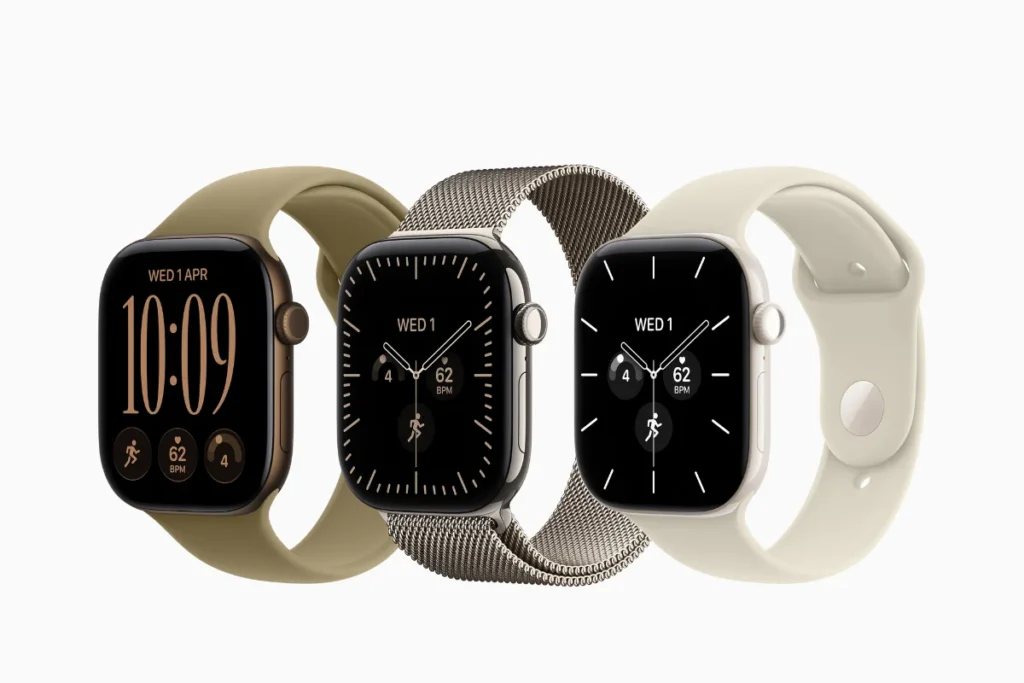
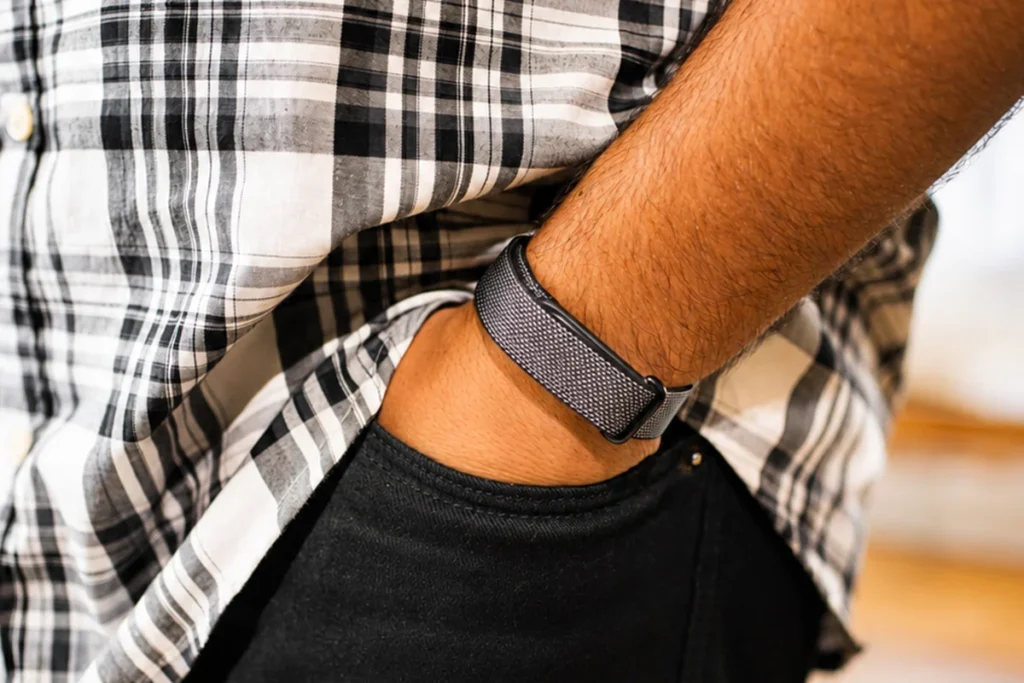
In terms of the design evaluation between the Fit bit Air and the Apple Watch, the differences cannot be any clearer when it comes to the feel of the product on the body. The Fitbit Air comes with a minimalist design consisting of an environmentally friendly polycarbonate body and is a screenless fitness tracker that weighs just 12 grams. On the other hand, the Apple Watch Series 12 comes with a glass metal body that weighs substantially more, weighing around 31 grams for the aluminum model. Next, the Fitbit Air has a sleek and buttonless design that sits perfectly flat on the wrist compared to the 10.7mm thick design of the Apple Watch. The Fitbit Air comes with a soft textile band that can click easily onto the small tracker pebble, whereas the Apple Watch has a more complex system designed to accommodate the more substantial bands such as woven stainless steel and fluoroelastomer.
Although the Apple Watch is equipped with an amazing Always-On Retina OLED display which is protected by scratch resistant Ion-X or Sapphire crystal glass that provides a brightness level of up to 2,000 nits, the Fitbit Air does not have a display at all and thus is not subject to risks of cracked glass. As a result of such a complicated design, the Apple Watch is equipped with some hardware control elements like Digital Crown and a side button that can be used for navigation through the interface, while the Fitbit Air does not have any physical buttons and uses only internal motion sensors for its functioning in the background. When it comes to the issue of durability, both products are water resistant for 50 meters and thus suitable for swimming, however, the Apple Watch has also got an IP6X dust resistance certificate, while the Fitbit Air does not.
Additionally, the comfort levels of the two smartwatches during sleeping are very obvious due to their distinct designs. For instance, the Fitbit Air is so light and inconspicuous such that it almost vanishes on the wearer’s wrist while sleeping, but the Apple Watch is heavier with an extending profile and can easily catch on bed sheets or irritate the wearer when they want to sleep. Nevertheless, this simple design of the Fitbit Air also brings one major disadvantage for the user. Since there is no visual feedback in the Fitbit Air, users are not able to know the time, see their steps for the day or even know if there are phone calls coming in, unless they reach out for their mobile phone. On the other hand, the Apple Watch features attractive customizable watch faces, instant haptic notifications and capability of controlling smart home devices. In essence, the design comparison between Fitbit Air vs Apple Watch depends on whether the wearer wants something invisible and lightweight or conspicuous and fully featured.
Health Tracking Features Compared#
One of the key elements of this rivalry between the two watches is actually the way that each one monitors your body from a technical standpoint. Both have very solid wearable technology when it comes to health, yet both have very different ways in which they collect all of their information. The Fitbit Air comes equipped with some very solid passively collected background data, while the Apple Watch comes equipped with an incredibly advanced Health Sensing System. Understanding the comparison of these two products requires an examination of their technical abilities.
Heart Rate and Cardiovascular Monitoring#
© Apple
© WearableXP
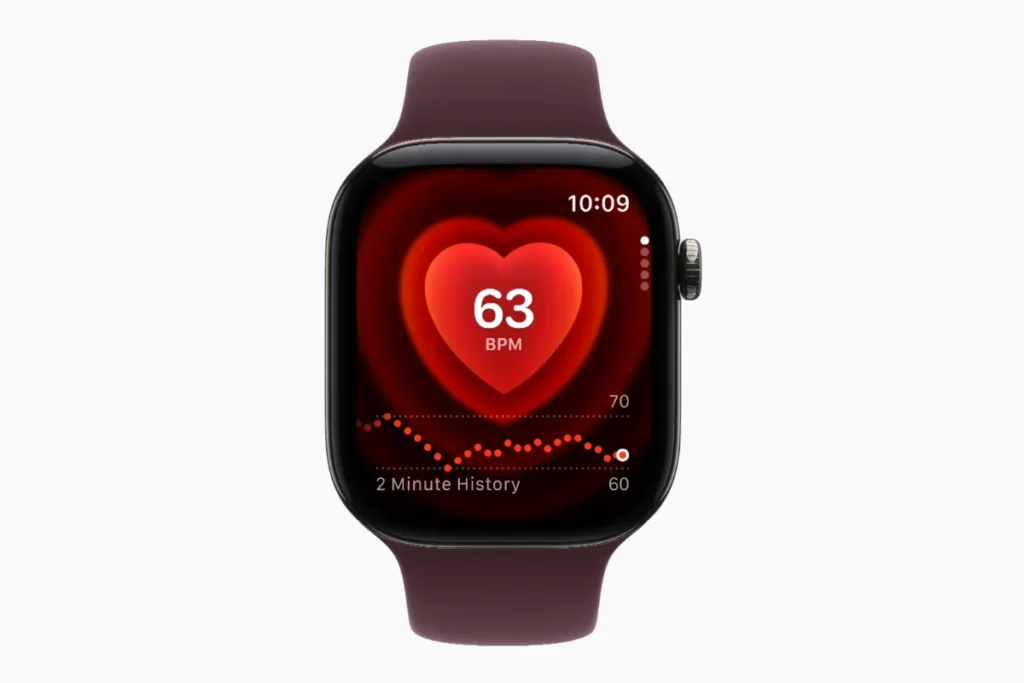
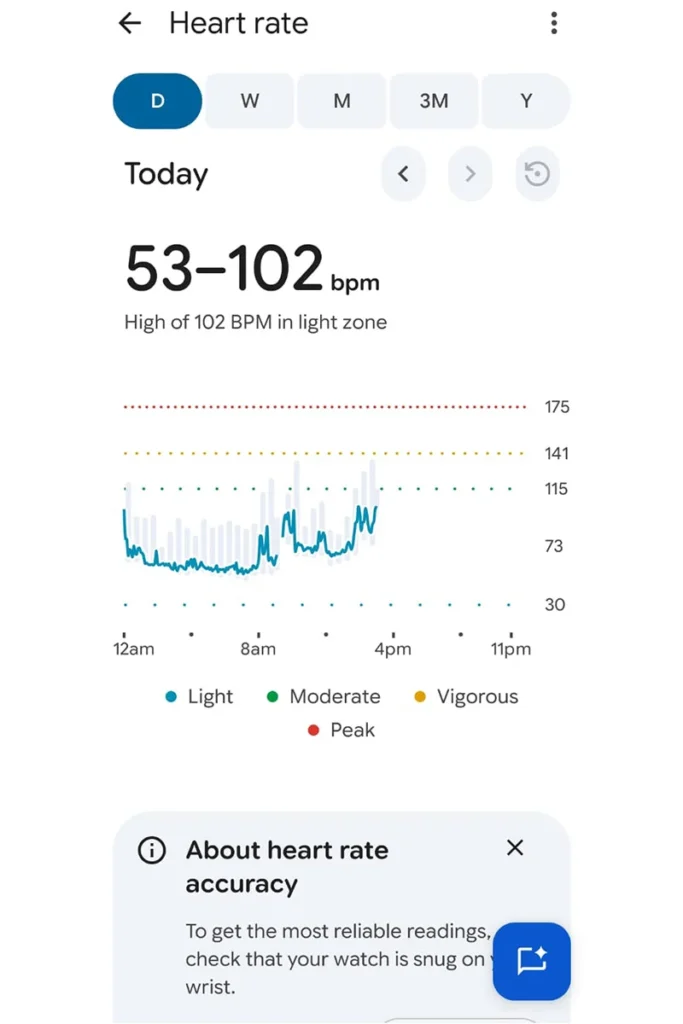
While analyzing cardiovascular hardware of these watches, it should be pointed out that Fitbit Air is equipped with 24/7 continuous heart rate monitoring through optical sensor, while Apple Watch Series 12 is equipped with both optical and electrical sensors for heart rate tracking. This implies that Apple Watch comes with FDA-cleared ECG (electrocardiogram) app that allows you to monitor your heart rhythm and detect atrial fibrillation, while Fitbit Air does not have such advanced medical grade hardware at all. Moreover, Apple Watch has incredibly high density of background heart rate sampling with samples taken every 5 seconds, while Fitbit Air has more common approach of heart rate monitoring, which is aimed at maintaining its long battery life. Both watches have high and low heart rate alerts, while Apple Watch has much better opportunity to measure Heart Rate Variability (HRV) 24 times more frequently than Fitbit Air.
Sleep Tracking and Nighttime Vitals#
© Apple
© WearableXP
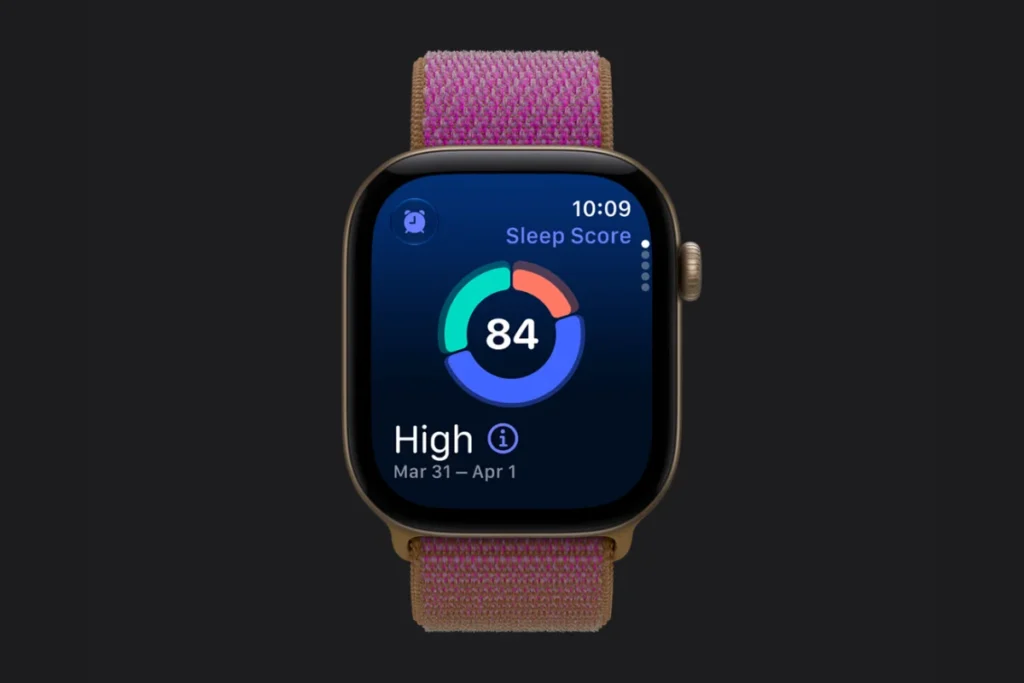
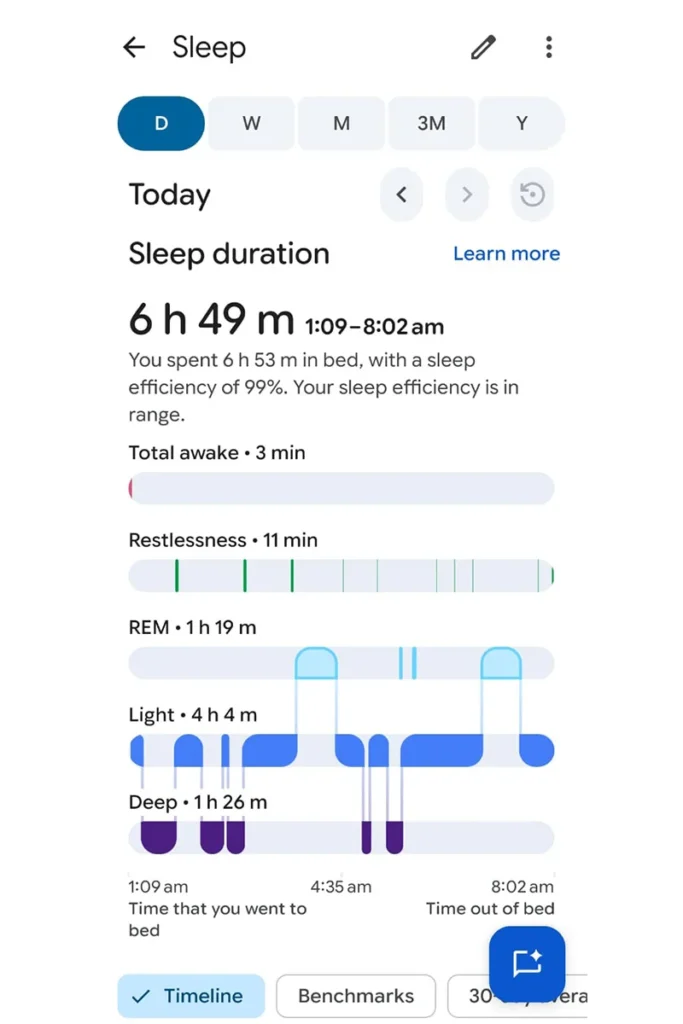
In regards to overnight monitoring, the Fitbit Air has a feature called Deep Sleep Stages that gives excellent insight about light, deep and REM sleep stages, while the Apple Watch Series 12 has a dedicated Sleep app that records the very same stages in high precision. The Apple Watch does have a brand new Vitals app that combines all your overnight vital signs, including heart rate, respiration and wrist temperature, on a single screen, while the Fitbit Air is unable to display such information right on the device itself, requiring you to sync it with the Google Health app on your phone. The Fitbit Air features blood oxygen (SpO2) monitoring that operates silently during the whole night, while the Apple Watch does feature SpO2 sensors, but also adds more regular respiratory monitoring. Lacking any bright display, the Fitbit Air gives you an absolutely distraction free experience when sleeping, while the Apple Watch is not able to do the same due to its more substantial glass and metal body.
Temperature Sensing and Readiness Scores#
As for the aspect of body temperature and daily energy recovery, the Fitbit Air is equipped with skin temperature variation sensors that detect fluctuations in body heat relative to your normal, but the Apple Watch includes an extremely precise dual sensor wrist temperature system. Due to such advanced equipment, the Apple Watch includes advanced Cycle Tracking with perimenopause and menopause support, while the Fitbit Air does not have this very specialized insight related to reproductive health. In order to help you understand your general energy state, the Fitbit Air includes Daily Readiness Score that is provided seamlessly via the Google Health app, while the Apple Watch has comprehensive Readiness Score that combines your sleep, HRV and daily activity. Overall, the Fitbit Air includes Gemini-powered AI explanations of these scores on your phone, while the Apple Watch has the advantage of having these important health prompts shown right on the watch face.
Verdict: The Apple Watch is undoubtedly better at health monitoring since it offers FDA-approved ECG features, super dense high-frequency heart rate sampling and reproductive health monitoring features that the screen-less device does not offer.
Fitness Tracking: Fitbit Air vs Apple Watch for Workouts#
Once we move on to the discussion of fitness activities, then the comparison of Fitbit Air and Apple Watch will become almost totally focused on the amount of data that you need in real time. In order to understand the abilities of each device in terms of their fitness features, it is necessary to examine how they work in different sports, location tracking and during the training itself.
Workout Recognition and Activity Profiles#
© Apple
© WearableXP
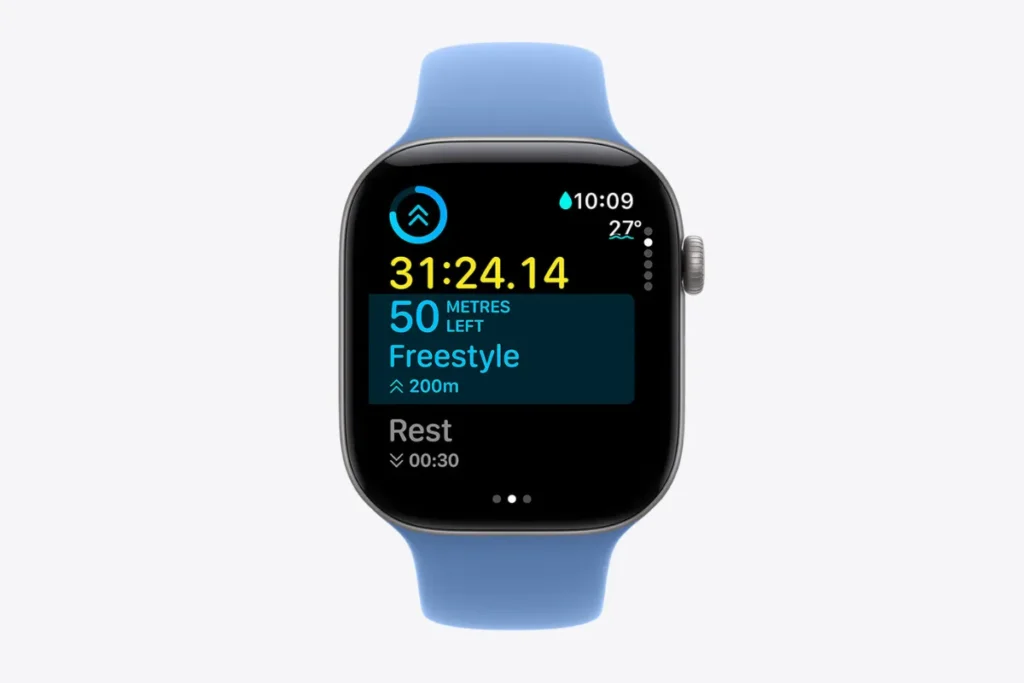
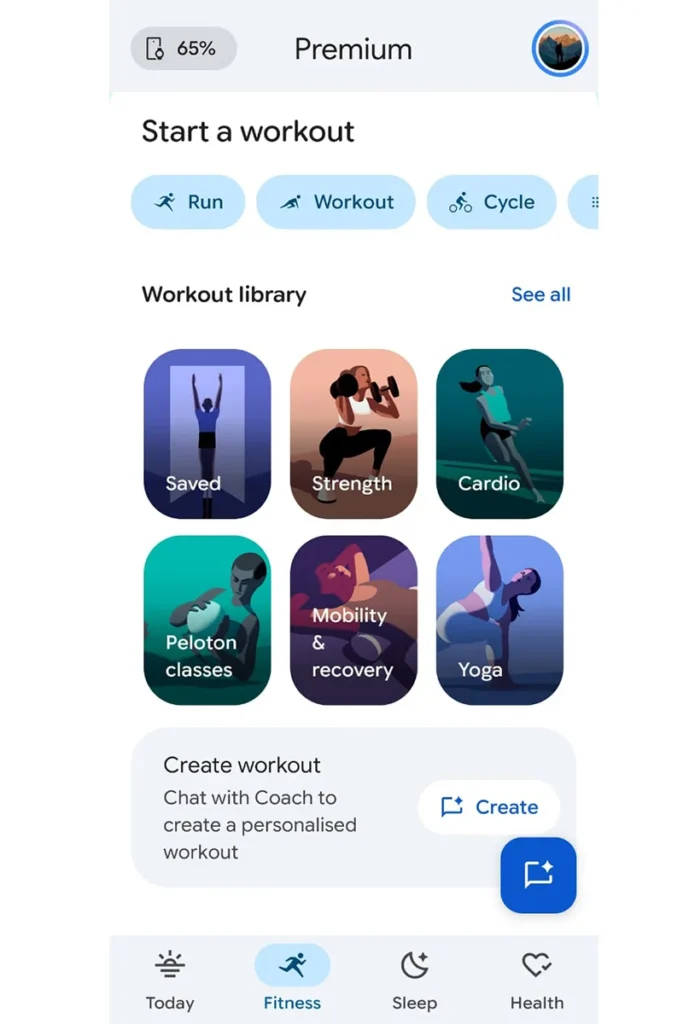
Once you initiate an exercise, the Fitbit Air is characterized by smooth auto exercise recognition that detects whenever you start walking, running or cycling without pressing any button. It thus offers a seamless and hands free experience. On the other hand, the Fitbit Air does not come with on device workout selection for exercise type, unlike the Apple Watch Series 12 that is equipped with an in built Workout app that contains dozens of workout modes such as HIIT, Pilates and Kickboxing. Additionally, the Apple Watch is fitted with automatic multi-sport detection and transition, which enables triathletes to make a switch from swimming to cycling to running effortlessly. Automatic transition detection feature is missing in Fitbit Air. The two watches efficiently calculate your burnt calories, but the Fitbit Air features basic Active Zone Minutes and cardio load while the Apple Watch has the visually appealing Activity Rings feature.
GPS Capabilities and Route Tracking#
In terms of running and cycling, the argument on the choice between the Fitbit Air vs Apple Watch largely depends on outdoor location tracking features. Fitbit Air does not have built in GPS technology, which means that it is reliant on your cell phone to track your route in outdoors. With such limitations, you will have to carry your cell phone with you wherever you go out running in order to get an accurate tracking of the distance. On the other hand, Apple Watch Series 12 has the Precision GPS integrated into its device, which gives the user the freedom of leaving his/her phone behind. Thus, the Apple Watch gives the user freedom of leaving his/her phone behind and getting accurate tracking of his/her path and speed.
Real-Time Metrics and Advanced Biomechanics#
Another key technical difference between the two during the workout is exactly the way you get your feedback. This is because of the lack of the display screen that makes the Fitbit Air limited in some ways since you can only check your current speed, distance and heart rate after you complete the workout by going through your phone in the Google Health app while the Apple Watch has an outstanding visual user interface for immediate feedback. The Apple Watch has customized workouts with visual displays of your heart rate zones, elevation and new Pacer features to ensure you stick to your goals while there are no such features with the Fitbit Air. In addition, the Apple Watch has advanced running metrics such as vertical oscillation, stride length and ground contact time which you don’t have in the Fitbit Air. What’s more, the Apple Watch has personalized spoken encouragements from the Apple Intelligence through your wireless earphones during the workout, whereas the Fitbit Air relies purely on post-workout summaries.
Verdict: The Apple Watch stands out in terms of fitness monitoring because it comes with Precision GPS technology, running statistics and an energetic screen that provides important real-time information that is not present at all in the screenless monitor.
App Experience: Fitbit Ecosystem vs Apple Watch Ecosystem#
The gap between Fitbit Air vs Apple Watch becomes clear in their software aspect. The Fitbit Air depends only on the app associated with the device that runs on your phone. Regarding the Fitbit health tracker, the Google Health app provides a clean, easy to use interface that integrates your steps, sleep and heartbeat into one place. Most impressively, it features Google Health Coach which is powered by AI and was made with the help of Gemini. It means that this AI coach not only can give answers to complicated questions regarding your trends in fitness but also can distinguish a workout regimen from a photo of the gym whiteboard. However, the downside of the Fitbit product is the fact that you will need a paid subscription to Google Health Premium in order to get deep coaching after a trial period.
On the other hand, the Apple Watch Series 12 is equipped with the Apple Health ecosystem which is completely free without any need to pay for a premium subscription. What’s more, there is an App Store on your watch that allows you to download all the third-party fitness applications such as Strava, Nike Run Club or Spotify. In the context of the Fitbit Air vs Apple Watch software comparison it is necessary to mention Siri AI which is embedded into Apple Watch with its conversational intelligence and contextual awareness. Yet another key difference between the Fitbit Air vs Apple Watch is their compatibility. The Fitbit Air supports both iOS and Android operating systems, while the Apple Watch Series 12 can be used only with an iPhone.
Verdict: Fitbit Air has an edge over other smartwatches in terms of cross-platform software compatibility due to the fact that it supports both Android and iPhone platforms equally.
Battery Life Compared: Screenless Wearable vs Smartwatch#
© Apple
© WearableXP
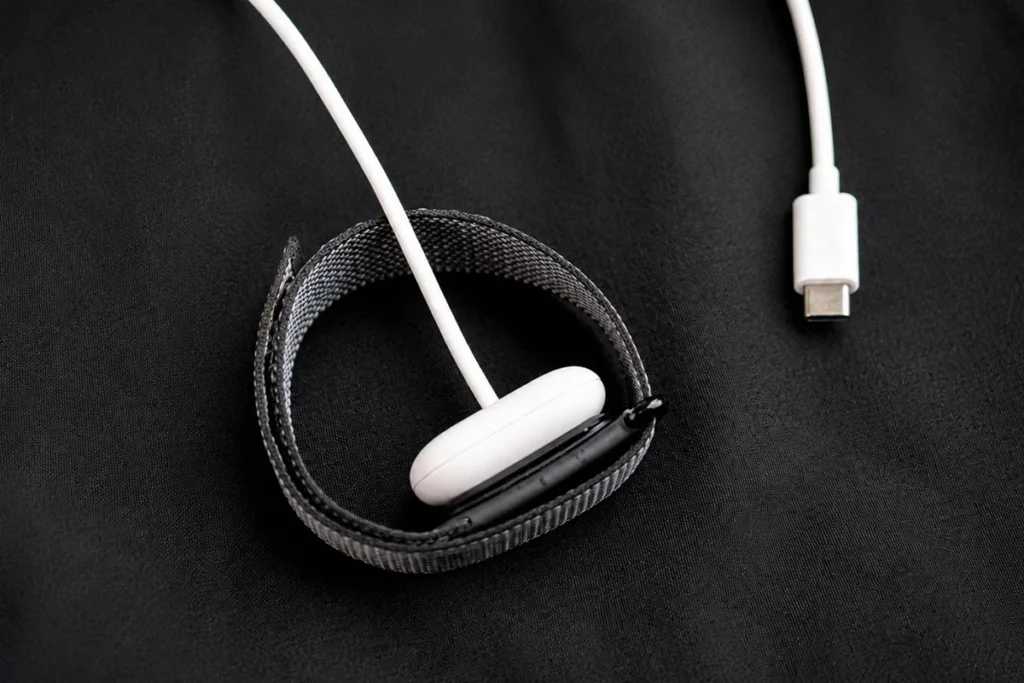
There is one aspect of this Fitbit Air vs Apple Watch comparison where one device is clearly superior to the other and that aspect is its battery life. The Fitbit Air comes with great battery life that will allow it to work up to 7 days after a single charge. This means that you will be able to wear it from Sunday until the next weekend. In addition, should the Fitbit Air lose its power, it provides incredible fast charging features, all you need is a 5-minute charge to have enough battery for an entire day and a full recharge will take 90 minutes.
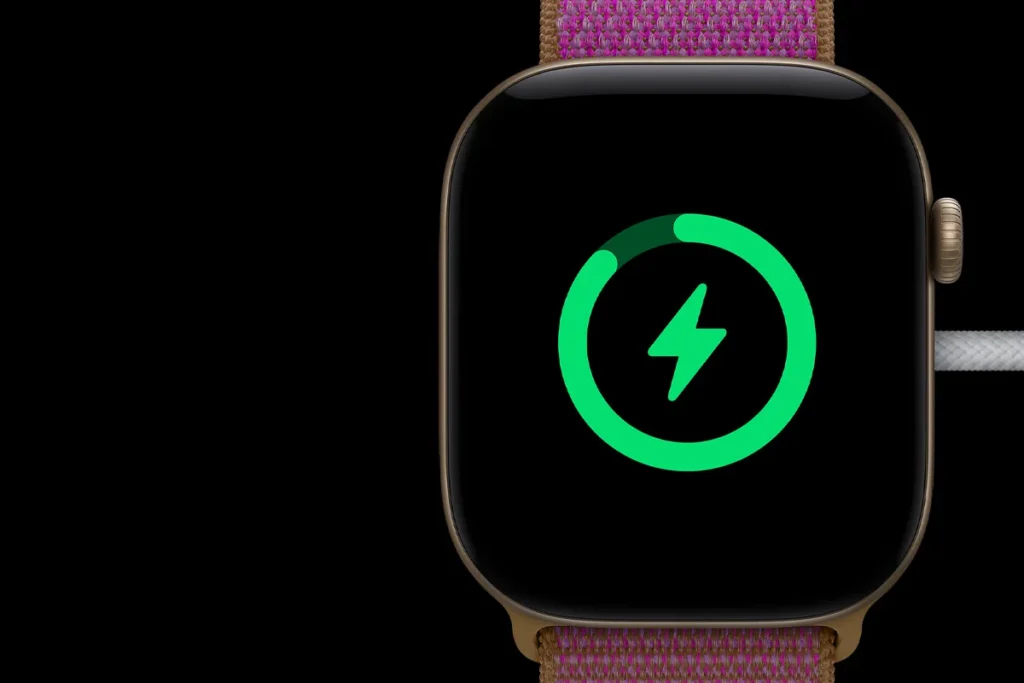
On the other hand, the battery life of the Apple Watch Series 12 offers an “all-day” feature with maximum usage time of about 24 hours. However, you can stretch it to 38 hours with the help of Low Power Mode. One of the main downsides of the Apple Watch is the necessity to recharge your gadget daily. You’ll be constantly wondering whether you should recharge it after showering or just before going to bed. At least, the Apple Watch Series 12 has faster charging compared to the previous model and offers 12 hours of use after 15 minutes of recharging. Nevertheless, when comparing Fitbit Air vs Apple Watch in terms of charging, the screenless device gives a bit more convenience to its owners.
Verdict: The Fitbit Air clearly stands out when it comes to battery life, as it has an amazing battery capacity of 7 days.
Accuracy and Health Insights Compared#
Consumers who are looking for information on the comparison of Fitbit Air and Apple Watch often seek the answer to what is more precise. The reality is that both devices feature highly advanced and sophisticated optical sensors. The Fitbit Air comes equipped with high-quality sensors in the spectrum of red and infrared for SpO2 monitoring and due to its lightweight structure, it fits perfectly well against your skin and helps to avoid drop-outs of heart rate sensor during intense arm movement. It provides you with reliable data, but it lacks medical certifications needed to diagnose any disease and it depends much on software algorithms.
The Apple Watch Series 12 is equipped with the new Health Sensing System which takes measurements more often. Since the device measures heart rate at intervals of every 5 seconds while being in the background mode and monitors your HRV every 5 minutes, the watch comes with the denser database of data for analysis. As a result, the Apple Watch can calculate highly accurate Readiness scores and display sleep cycle chart. Also, the watch includes FDA-approved algorithms for ECG and irregular rhythm notifications. Speaking of Fitbit Air vs Apple Watch accuracy, it is important to remember that neither of the devices should be taken as an alternative to consulting a doctor, however, they can provide you with highly useful and accurate trend lines to know your body better. The Fitbit Air vs Apple Watch insight experience largely depends on whether you prefer data analysis by Google’s Gemini AI or precise data charts by Apple.
Who should buy Fitbit Air?#
You should buy Fitbit Air if:
- You like to wear light fitness trackers with no screens.
- You like 24/7 health and activity tracking.
- Sleep tracking is your primary focus.
- You are looking for more battery life.
- You do not like being distracted often during the day.
- An inexpensive option for health monitoring suits you well.
- You own either an Android phone or an iPhone.
Who should buy Apple Watch Series 12?#
You should buy Apple Watch Series 12 if:
- You want full smartwatch capabilities.
- You engage in fitness training.
- You require built in GPS for outdoor activities.
- You are looking for health capabilities, including ECG.
- You want to control notifications and apps from your wrist.
- You need communications capabilities, such as calls and messaging.
- You are an existing user of the Apple ecosystem.
Final Verdict#
If I had to choose one, I would go with the Fitbit Air. I like its lightweight design and the way it quietly tracks my health, sleep and daily activity without demanding constant attention. Its seven-day battery life is another big reason why I find it appealing.
For me, a good wearable should fit naturally into my daily routine and make health tracking feel effortless. That’s exactly what I like about the Fitbit Air and I think it would make a great everyday companion.
FAQs#
01What is the battery life of Fitbit Air?
Fitbit Air features a battery that offers 7 days of battery life, while many smartwatches fail to offer this kind of endurance. Since there is no power-guzzling screen here, users get a week of health monitoring without any need for daily charging.
02Is there any subscription needed for Fitbit Air?
Fitbit Air offers all core tracking tools for free, as it does not have a forced subscription for basic functionalities. However, it comes with 3 months of trial period for Google Health Premium service, which implies a paywall in future for in-depth AI insights.
 RR
Written by
Reetain, with a focus on emerging trends and immersive tech, covers smart wearables and evolving device categories. He explores how sensors, AI, and connectivity come together in modern wearables, helping readers understand how these technologies shape everyday digital experiences and the future of personal computing.
More from Reetain 66 storiesKeep readingmore from Screenless Bands
All storiesScreenless BandsFitbit Air vs Ultrahuman Air: Which Screenless Wearable Is Right for You? Screenless BandsFitbit Air vs Luna Band: Which Screenless Wearable Is Better for Health Tracking?
 NewsGoogle Confirms Fitbit Air Will Get Sleep Breathing Quality Feature Soon
What’s inside
- 01Fitbit Air vs Apple Watch Comparison Table1 min
- 02Design and Everyday Wear Compared2 min
- 03Health Tracking Features Compared3 min
- 04Fitness Tracking: Fitbit Air vs Apple Watch for Workouts3 min
- 05App Experience: Fitbit Ecosystem vs Apple Watch Ecosystem1 min
- 06Battery Life Compared: Screenless Wearable vs Smartwatch1 min
- 07Accuracy and Health Insights Compared1 min
- 08Who should buy Fitbit Air?1 min
- 09Who should buy Apple Watch Series 12?1 min
- 10Final Verdict1 min
- 11FAQs1 min