

A smartwatch that can sense what your muscles are doing sounds like something straight out of the future. When I first came across the Xiaomi Watch 5 muscle sensing feature, I wondered if it could do more than track steps and heart rate. Could it actually tell us when our muscles are tired after a workout or whether they have recovered?
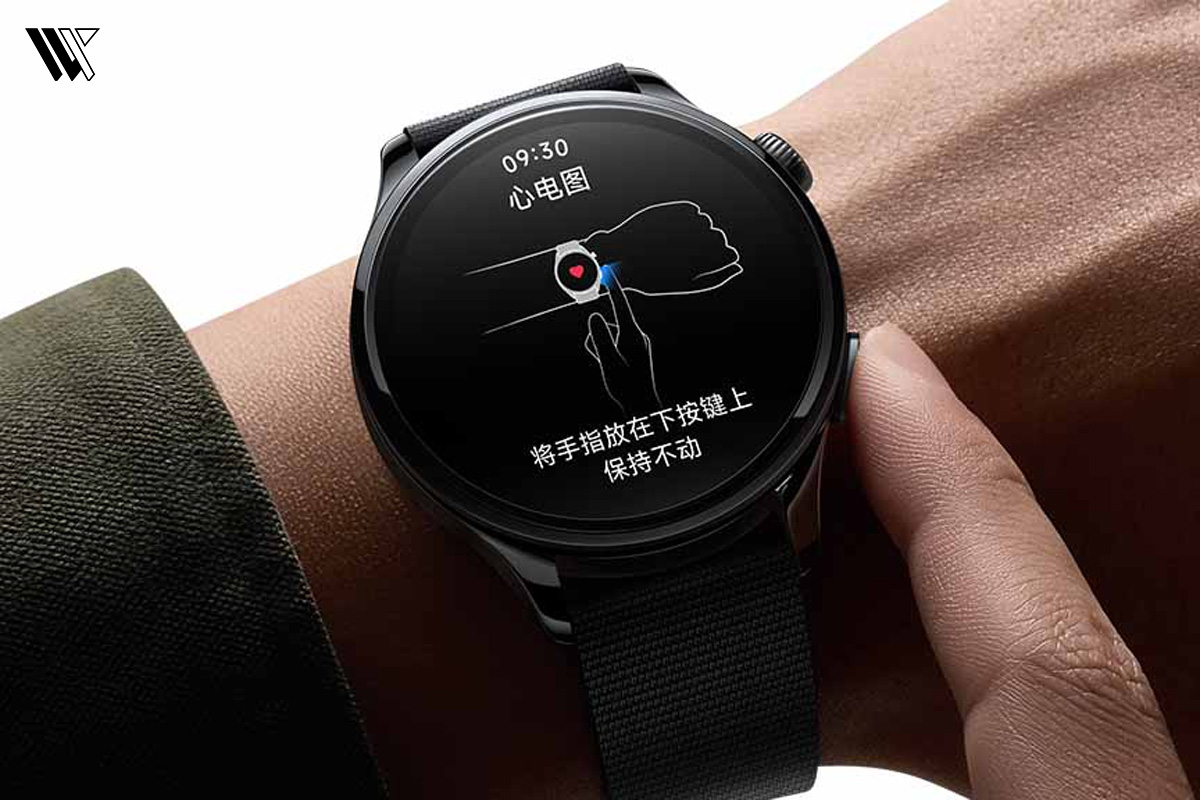
The answer is a little different from what you might expect. The Xiaomi Watch 5 uses electromyography (EMG) to detect electrical signals linked to muscle activity, helping it recognise finger gestures and control certain watch functions. But there’s a catch: sensing muscle activity doesn’t automatically mean measuring muscle fatigue or recovery. So, let’s take a closer look at what this technology can actually do.
What Does the Xiaomi Watch 5’s Muscle Sensor Actually Do?
It will be necessary for us to examine the components of the hardware in order to understand this function. Specifically, the Xiaomi Watch 5 muscle sensing function is designed with the help of a component referred to as Electromyography (EMG). The EMG sensor is positioned on the rear surface of the smartwatch and presses directly against your wrist. Due to its positioning, the component is able to detect the electricity in your arm.
Once you make up your mind to move your fingers, you send an electrical signal to the muscles. This is why when you perform any action, the Xiaomi Watch 5 muscle sensing function detects the electrical activity related to the muscle contraction. It is capable of detecting specific hand gestures because of this process. Hence, this technology is specifically designed for gesture control of the smartwatch.
Decode the Decor
The Smart Jewelry Revolution — a practical guide to wearable tech.
But it is extremely important to distinguish between these two phenomena. While the sensor picks up electrical muscle movements, it does not assess your overall muscle condition. In other words, recognizing a finger pinch used to switch off the alarm is totally different from assessing the strength of your muscles.
How EMG Muscle Sensing Works
© Xiaomi
© Xiaomi
It will help us understand the science involved in the Xiaomi Watch 5 muscle sensing technology and address many myths related to it. Your body relies on tiny electric impulses in order to perform its functions. The second you decide to move your finger, your brain sends a nerve impulse along your arm. As it triggers the electrical activity of your muscles, an electromagnetic pattern is created.
That same pattern is being picked up by the Xiaomi Watch 5 muscle sensing technology. Once the EMG sensor picks up the impulse, the software installed in the watch processes the form and the pattern of the electrical impulse in order to find out what gesture was performed. As a result, the watch translates a biological signal into a digital command on your screen.
This technology is totally different from that used in the older smartwatches to detect movements. Older watches depend on an accelerometer to detect any physical movement. However, the Xiaomi Watch 5 muscle sensing detects the electrical spark of the physical movement even when the physical movement is not yet completed. This allows the movement to be detected more accurately because of the electrical activity.
What Can You Do With the Xiaomi Watch 5’s EMG Sensor?
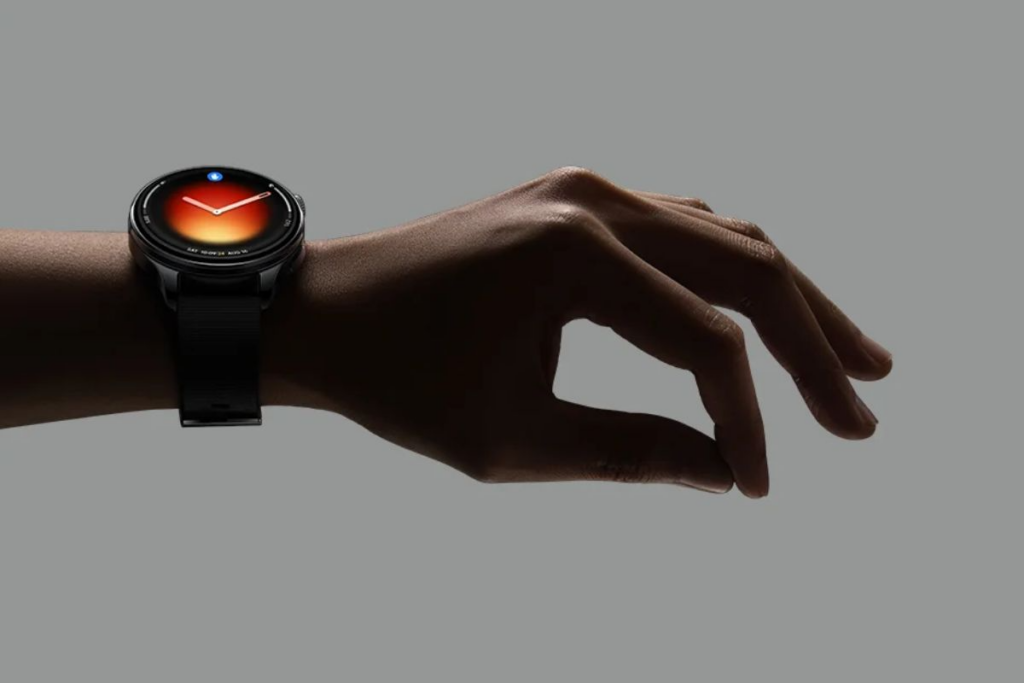
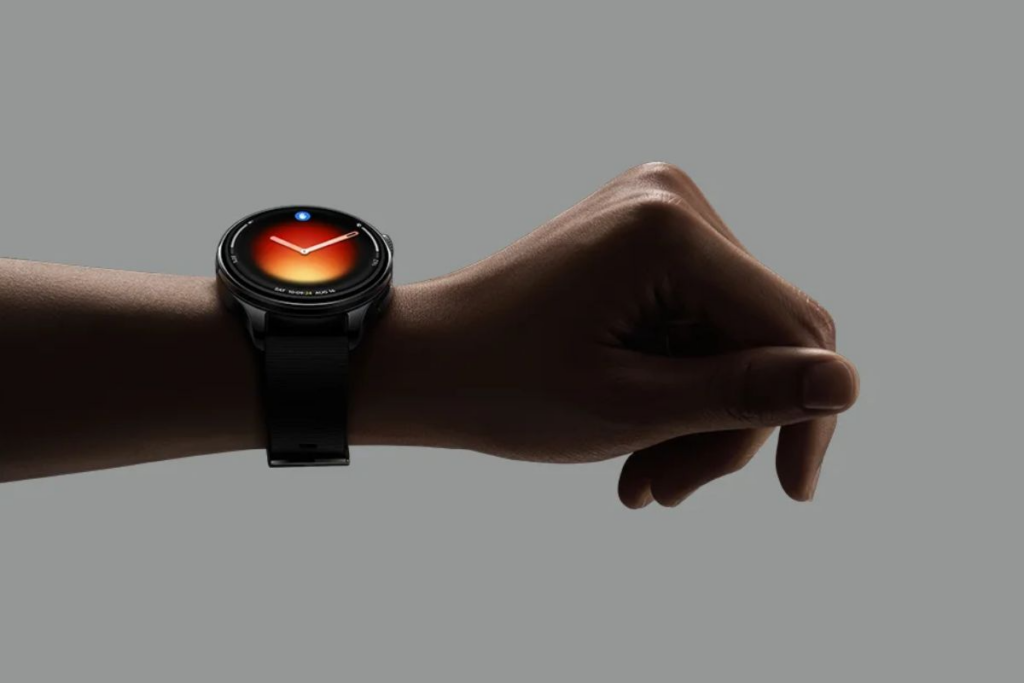
The primary advantage of Xiaomi Watch 5 muscle sensing technology is that it is capable of executing commands without using a free hand. For example, Xiaomi offers a useful double pinch gesture.
In case of incoming calls, users may pinch their fingers together twice in order to ignore the call. Also, this double pinch can be used to snooze the alarm if you are half asleep. Other than pinching, Xiaomi allows rubbing fingers in order to turn the alarm off instantly.
Such a control system works perfectly due to EMG sensors working in tandem with other sensors inside the smartwatch. Sometimes, the combination of electrical activity measurement and wrist movements is applied in order to get 100% accuracy. Therefore, the Xiaomi Watch 5 muscle sensing technology provides a range of handy shortcuts for those moments when your hands are busy.
Can the Xiaomi Watch 5 Measure Muscle Fatigue or Recovery?
As the watch records the muscle activity, many consumers believe that the device monitors their fitness recovery as well. In clinical practices, physicians definitely apply EMG technology to examine the muscles’ electrical activity and muscle fatigue. Nonetheless, a wrist band with the gesture sensor cannot be compared to a clinical instrument.
At the moment, the muscle detection system of the Xiaomi Watch 5 is solely designed to detect gestures of hands. It does not offer any validated measurements regarding the fatigue or strength of the muscles or recovery rates it just recognizes the signals that help the watch understand whether you made the gesture with pinching fingers.
In case you want to monitor your fitness recovery, you will have to use some other features of the watch. For example, standard smartwatch metrics, such as your heart rate and training details, are still the best way to understand how fit you are at the moment. Therefore, buyers should not expect the Xiaomi Watch 5 muscle sensing to replace a professional physical assessment.
EMG vs Heart Rate and Motion Sensors
Understanding how all the sensors of your device function will help you understand your device better. The smartwatch contains various sensors and each sensor performs a highly specialized task.
First, there is the EMG sensor that provides the Xiaomi Watch 5 muscle sensing through electrical activity related to muscle movement. The main use of the sensor is gesture recognition.
Second, there is the Photoplethysmography (PPG) sensor. It is an optical sensor that monitors changes in blood volume and thus measures your heart rate. There is also the Inertial Measurement Unit (IMU), which monitors physical movements and the orientation of the device and manages wrist gestures and steps.
Although all three sensors are used to complement each other’s functions, they perform different tasks. The Xiaomi Watch 5 muscle sensing deals with the electrical signals and fitness tracking is done by PPG and IMU sensors.
What Are the Limitations of Wrist-Based Muscle Sensing?
However, similarly to every technology, there are certain realistic limitations that should be considered while talking about the given technology. First of all, access to those gestures is limited to certain settings and available interfaces of the device. In other words, pinch can control not all applications of the device.
Additionally, the accuracy of Xiaomi Watch 5 EMG sensors can be influenced by the way the device is worn on the user’s wrist. The recognition software can fail in case when the watch does not fit the wrist properly or is placed on it in an incorrect position. It is important because only good fitting will allow the device to register clear electric signals.
Finally, those signals themselves do not give information about the risks associated with injuries or current state of the muscles of the user. Therefore, this function cannot be used as a tool for research and diagnostics of muscle-related problems.
Is the Xiaomi Watch 5’s EMG Sensor Actually Useful?
Although there are some flaws when it comes to using the sensor during exercise, it is surely an effective addition. The true worth of this technology is being able to interact with your smartwatch without using your fingers.
Those people who often hold something, cook food or simply wear gloves will appreciate this function. The option of dismissing a call by merely rubbing your finger across the screen is really convenient. However, those individuals who have been involved in some physical activity are not supposed to purchase this smartwatch and expect thorough muscle analysis from it.
Until Xiaomi develops proper clinically tested software updates, the gadget can hardly be considered a health monitor. In general, Xiaomi Watch 5 muscle sensing is a great and up-to-date input technology that makes it easier to control your smartwatch.
Wrap Up
Xiaomi Watch 5 muscle sensing capabilities are a good example of the fact that smartwatches can develop new ways to learn about our body activity. The concept of using just a few finger gestures for controlling a smartwatch sounds quite fascinating, particularly when you have a lot to do with your hands. Yet, the muscle fatigue measurement is not what the smartwatch offers at the moment. Currently, the use of EMG can make controlling a smartwatch more fun, but that’s all.
FAQs
Decode the Decor
The Smart Jewelry Revolution
A practical guide to wearable tech's future — delivered straight to your inbox.
Author
