

The Happy Ring by Happy Health is an FDA-approved smart ring designed with a different function than most smart rings out there that are compared to either Oura or Galaxy rings. It serves one single purpose– to perform an at-home sleep test with a doctor.
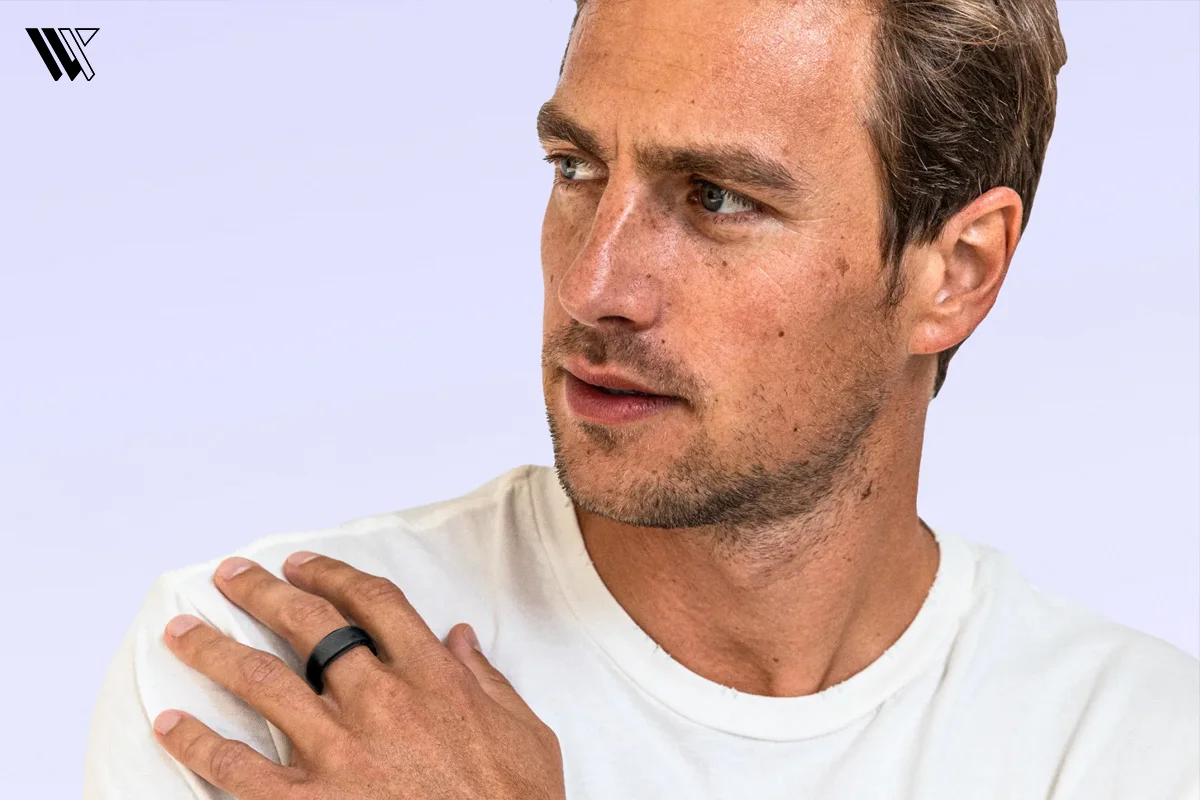
Smart rings continue to gain popularity as nobody desires another device lighting up their face at 2 in the morning. But whether these readings can hold up is the real question here.
Happy Ring Specifications
| Specifications | Happy Ring |
|---|---|
| Price | $199 |
| Battery | Up to 3 days |
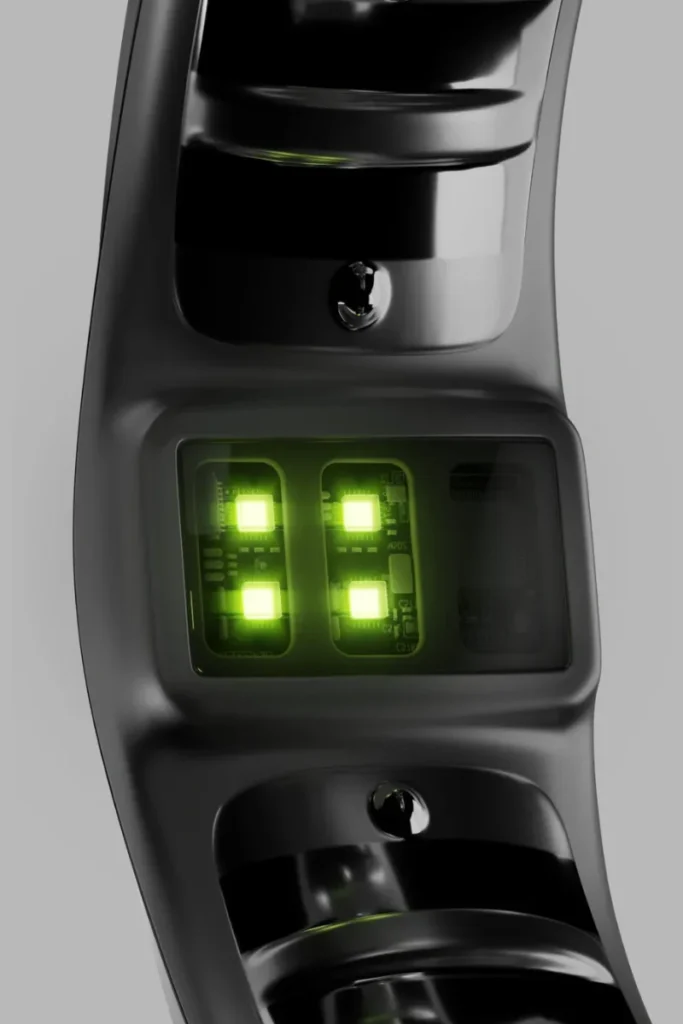
| Sensors | 4 LEDs, 4 electrodes, 3-axis accelerometer, 2 temperature sensors |
| Sizes | US sizes 6-14 |
| Exterior | Ceramic exterior |
| Water resistance | IP67 |
| Weight | 4-6g |
| App Compatibility | Happy Sleep (iOS and Android) |
What Is Happy Ring?
© Happy Sleep
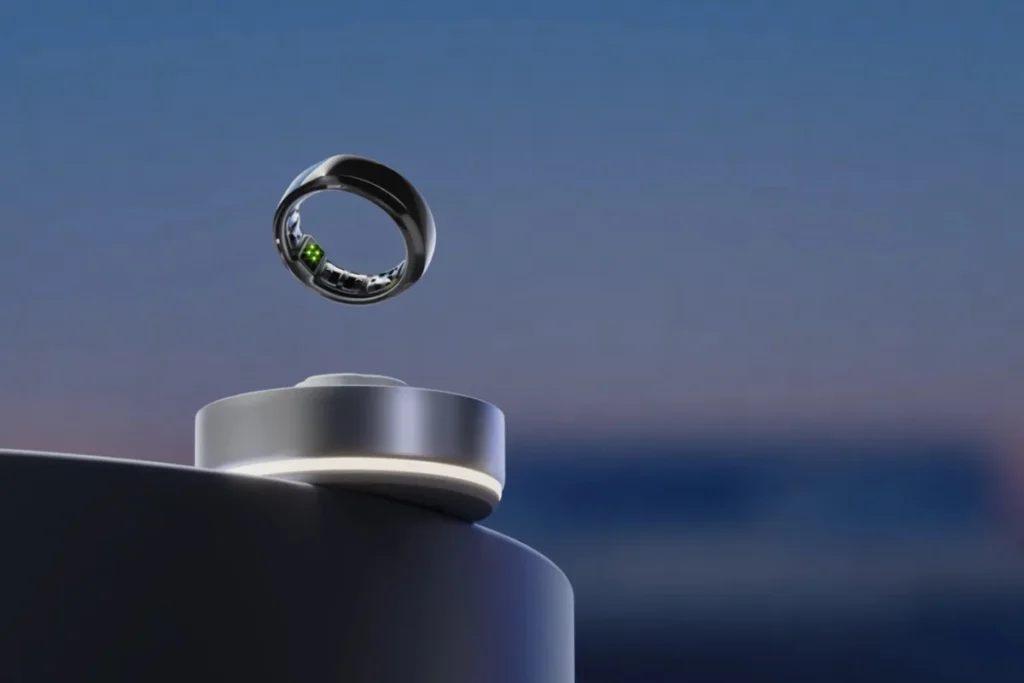
In October 2024, the FDA gave marketing clearance to the Happy Health smart ring to remotely monitor activity levels, blood oxygen, heart rate and skin temperature with clinical review of collected data. In June 2025, the FDA approved Happy Home Sleep Test software for evaluation of possible sleep apnea in people aged 22 years or older under the supervision of healthcare professionals.
The company says that it is the only FDA-cleared smart ring and the process involves signing up with Happy Sleep, speaking to a doctor virtually and if the need for the test arises, the ring is shipped to you. You wear it for up to 5 days, discuss the results with a physician and then are provided treatment alternatives, including CPAP and an oral appliance. The smart ring becomes yours after the test with one year of free nightly sleep tracking included without any subscription.
Decode the Decor
The Smart Jewelry Revolution — a practical guide to wearable tech.
How Does Happy Ring Work?
© Happy Sleep
The LEDs shine on your finger and monitor the reflections of light, detecting the fluctuations in pulse and blood oxygen levels. The skin conductance is detected by the electrodes, while the accelerometer detects your movements and the temperature sensors detect your skin temperature.
The ring then transmits all this information to the app via Bluetooth and uses the algorithms to extract the relevant sleep and health information. The clinicians get access to this data via a different web viewer.
The next point I find quite interesting about this technology is that the FDA-cleared sleep test software does not use the electrode measurements. As per the FDA summary, the test software uses the ring’s PPG sensor and accelerometer readings to determine Happy’s apnea-hypopnea index and total sleep time.
According to Happy’s website, the finger provides more accurate data compared to the wrist and the company claims that “the ring is 10x more accurate than a watch”. This point is marked as “based on internal test data” on their website, so I do not know the study behind it.
What Health Features Does Happy Ring Offer?
Happy Tech lists sleep apnea assessment, sleep phases, total sleep duration, heart rate, temperature and blood oxygen as FDA-approved features. The other features include awakenings, breathing, respiration rate, HRV and activity as non-FDA-approved features.
Here’s what I couldn’t find: daily readiness or recovery score as Oura Ring does, nor any mode during workouts. While Happy claims to use machine learning and generative AI, it hints at “AI-powered whole body health tracking for conditions like hypertension and diabetes,” which is nothing but an invitation to the waitlist. The pitch of stress and mood from last year is also missing in its marketing today.
Happy Ring App Experience and Health Insights
© Happy Sleep
© Happy Sleep
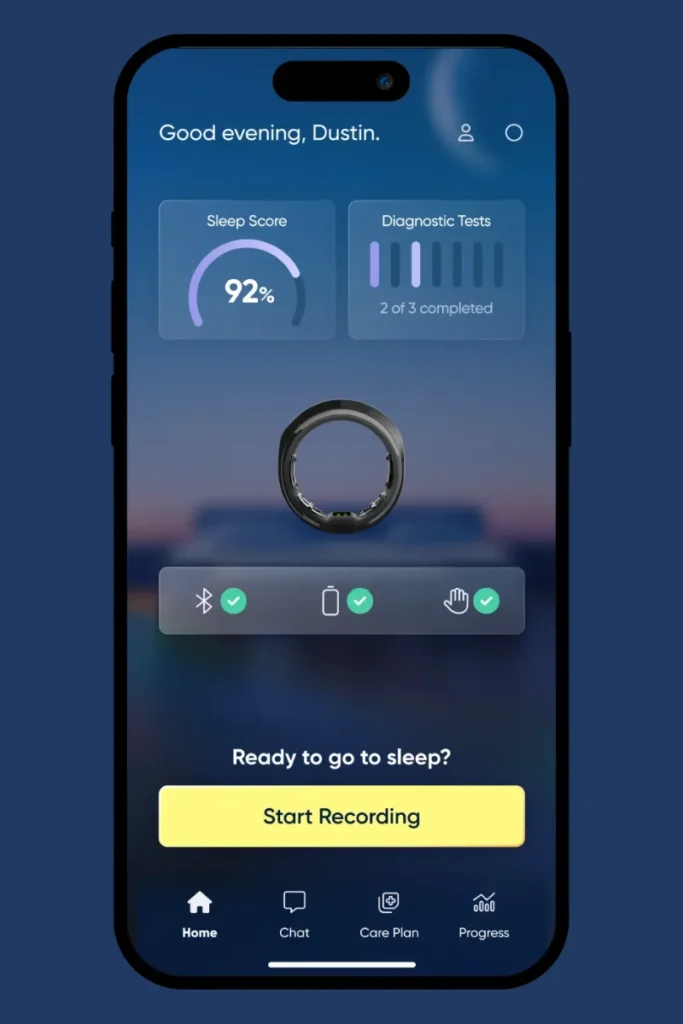
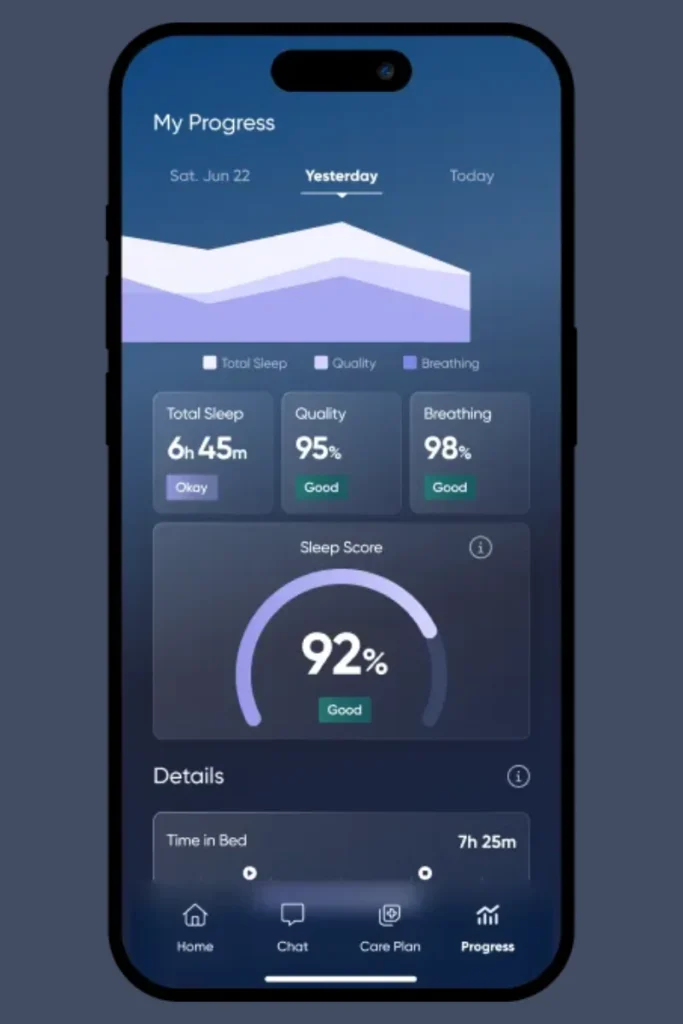
A smart ring becomes valuable because of the software that works with it since there is not too much functionality implemented within a ring itself. Happy utilizes the Happy Sleep app, which is focused on health more than typical wellness dashboards.
Starting the test requires one single tap and the data gets sent to your doctor every morning. After that, you are able to use the app to monitor your treatment process.
This application has received some negative feedback from its users, including update prompts, issues with uploading the insurance details, the unexpected appearance of the test results and a lack of explanation for some metrics.
How Accurate Is Happy Ring?
Accuracy varies depending on the measure and circumstances, so let us distinguish between them.
Company claims: Happy claims that its sleep tests have 97% accuracy relative to the gold standard PSG and 98% on their checkout page. I could not figure out where those statistics came from.
FDA summary: Clinical study involved 90 subjects referred for polysomnography at two sleep laboratories and scored according to AASM guidelines. The apnea-hypopnea index agreed well with the lab data, having only a 0.5 events per hour bias on average. However, the limits of agreement varied from -9.8 to +10.7 events per hour and total sleep time difference amounted to about 25 minutes on average. According to the FDA, it is substantially equivalent to another finger-based test. Interpretation: the mean agreement is rather high, but the difference in the range of ±10 events per hour might be significant, given the 5, 15, 30 apnea severity bands. This is the reason for the need for professional interpretation and multiple nights testing.
Independent validation: In 2022, a test of a previous iteration of the ring in 36 healthy individuals across 77 nights was published. When compared to lab tests, the ring was sensitive for detecting sleep versus waking with 93-94% accuracy and 70-83% specificity. This is sleep detection in healthy people, not apnea diagnosis and I could not locate a large independent validation study on the current ring.
Factors affecting accuracy: Loose fit, cold hands and motion can all affect readings from light-based finger sensors and one of the reviewers claimed that the ring was bigger than the sizing tool. The approved uses are limited as well, meaning not every metric in the app is clinically accurate.
Happy Ring vs Other Smart Rings
| Happy Ring | Oura Ring 5 | Samsung Galaxy Ring | Ultrahuman Ring PRO | |
|---|---|---|---|---|
| Built for | Sleep testing plus vitals | Daily wellness and readiness | Samsung Health users | Long battery, no-fee tracking |
| Price | Included with sleep test ($199 self-pay listed) | $399 or $499 | $399.99 | $479 with charging case |
| Subscription | None for year one of tracking | $5.99/month or $69.99/year | None | None for core features |
| Battery | Up to 3 days | 6 to 9 days | Up to 7 days | Up to 15 days |
| Phone | iPhone (iOS 17+) and Android 15+ | iPhone and Android | Android only | iPhone and Android |
Does Happy Ring Require a Subscription?
Not according to Happy. After your test, you get a year’s worth of sleep tracking at night without needing a subscription. The real costs are the medical costs.
| Item | Cost |
|---|---|
| Home sleep test, self-pay | $199 |
| With insurance | $0 at checkout, then copay, deductible, or coinsurance depending on your plan |
| Follow-up visit (older pricing page) | $99 |
| Oral appliance (older pricing page) | $1,999 |
| CPAP bundle (older pricing page) | $999 to $1,799 |
| Tracking after year one | Not published |
Who Should Consider Happy Ring?
Adults who believe they have sleep apnea, such as loud snoring and persistent day time sleepiness and are seeking a self-assessment test through a physician
Those looking for an entirely screenless device and a band they can retain post-test
People searching for alternatives to Oura and prefer a more clinical approach over daily score
Who Should Avoid Happy Ring?
Those requiring smartwatch-like notification or work out mode functionality
Those desiring an advanced consumer-level application that provides readiness scores and coaching
People who require maximum battery life
Users who require more than sleep apnea screening from clinically-validated solutions due to clearances for specific uses only
Those below the age of 22 years or using older versions of iPhones and Androids below the iOS 17 and Android 15 versions
Wrap Up
Smart rings are now diverging into two paths. There’s the wellness track, with Oura Ring 5, the Galaxy Ring and Ultrahuman all competing on the fronts of miniaturization, battery life and pricing.
Then there’s the regulated health track, to which Happy seems to be aiming. Samsung, for instance, has announced it will develop its next-generation ring, but only unofficially in 2027. In addition, Happy Health has raised an additional $75 million, which means it’s making a bet on the clinical track.
I’ll wait to see if and when the consumer AI tracker actually launches and if independent tests support the company’s claims. For now, it’s a sleep-tester ring ahead of everything else.
FAQs
Decode the Decor
The Smart Jewelry Revolution
A practical guide to wearable tech's future — delivered straight to your inbox.
Author
