

The Apple Watch Ultra 4 is here, but there is one problem: it doesn’t look much different from the Ultra 3. The design is familiar, the size is the same and even the display specifications are largely unchanged.
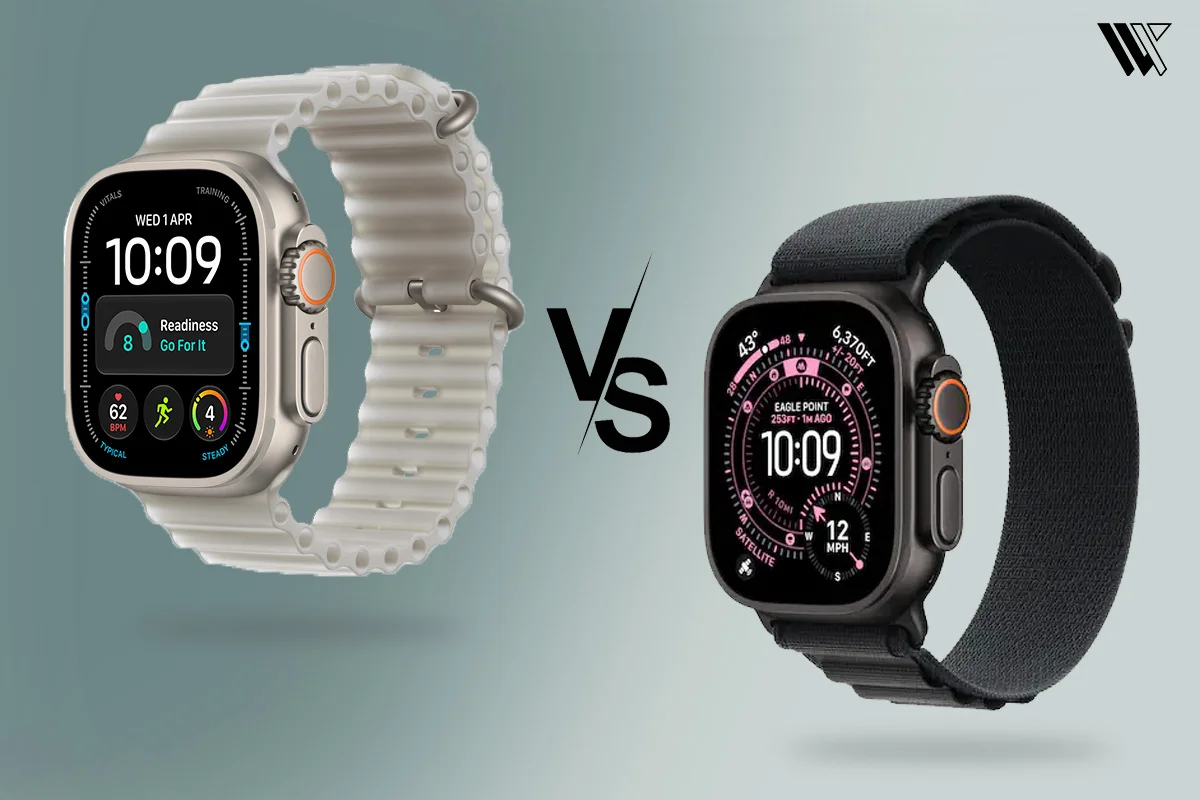
So, where did Apple make the changes? That is where the Apple Watch Ultra 4 vs Ultra 3 comparison gets interesting. The biggest differences are inside, with a new S11 chip, redesigned health sensors, more frequent health readings, new readiness features and a bigger battery. But how much of this will actually matter in everyday use? Let’s break it down.
Apple Watch Ultra 4 vs Ultra 3: Quick Verdict
While considering the Apple Watch Ultra 4 vs Ultra 3, the primary difference lies in the inside of the device. Apple Watch Ultra 4 features the updated S11 chip and a whole new Health Sensing System, while Apple Watch Ultra 3 is powered by the old S10 processor and a regular health sensor. Improvements in Apple Watch Ultra 4 relate to hardware-based health indicators, including more frequent heart rate and HRV tracking, as well as increased battery capacity.
From the point of view of everyday usage, the design is almost the same. Nevertheless, if you are an athlete whose training depends on precise data, then the improved recovery stats and stamina measurement capabilities will become available only with Apple Watch Ultra 4. If you already own the Ultra 3, the upgrade is mainly about the new health-sensing system, higher-frequency heart-rate and HRV measurements, Readiness, improved outdoor battery life and the S11-powered features. The Ultra 3 remains capable if those additions aren’t important to you.
Decode the Decor
The Smart Jewelry Revolution — a practical guide to wearable tech.
Apple Watch Ultra 4 vs Ultra 3 Specifications
| Feature | Apple Watch Ultra 4 | Apple Watch Ultra 3 |
|---|---|---|
| Case Size & Material | 49mm Grade 5 Titanium | 49mm Grade 5 Titanium |
| Weight | 63 grams | 61.9 grams |
| Display Type | Always-On Retina LTPO OLED | Always-On Retina LTPO OLED |
| Maximum Brightness | 3,000 nits | 3,000 nits |
| Processor | S11 Chip | S10 Chip |
| Storage Capacity | 64GB | 64GB |
| Normal Battery Life | Up to 50 hours | Up to 42 hours |
| Low Power Mode | Up to 84 hours | Up to 72 hours |
| Heart Rate Sensor | New Health Sensing System (readings every 5s) | Standard Optical Heart Sensor |
| HRV Tracking | Up to 24x more frequent | Standard frequency |
| Other Health Sensors | Blood Oxygen, ECG, Temperature Sensing | Blood Oxygen, ECG, Temperature Sensing |
| Smart Features | Apple Intelligence (on-device Siri AI) | Standard Siri |
| Connectivity | Precision dual-frequency GPS (L1 & L5), Cellular | Precision dual-frequency GPS (L1 & L5), Cellular |
| Bluetooth Version | Bluetooth 5.4 | Bluetooth 5.3 |
| Water Resistance | 100m (Recreational diving up to 40m) | 100m (Recreational diving up to 40m) |
| Starting Price | preorder-$799 | $799 |
Design and Display: What Has Apple Changed?
© Apple
© Apple
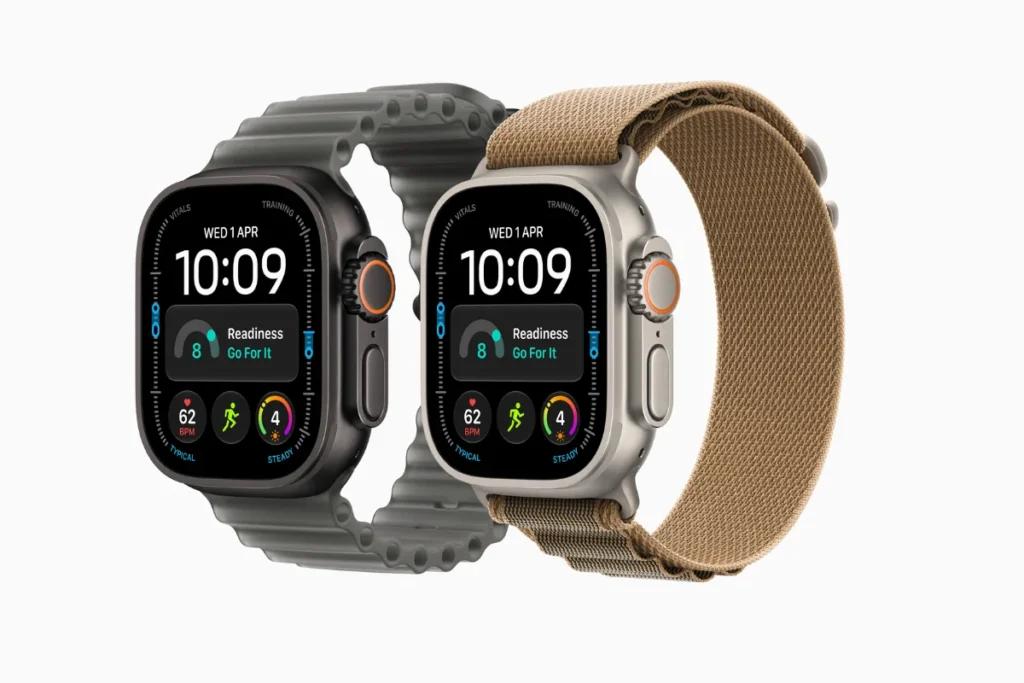
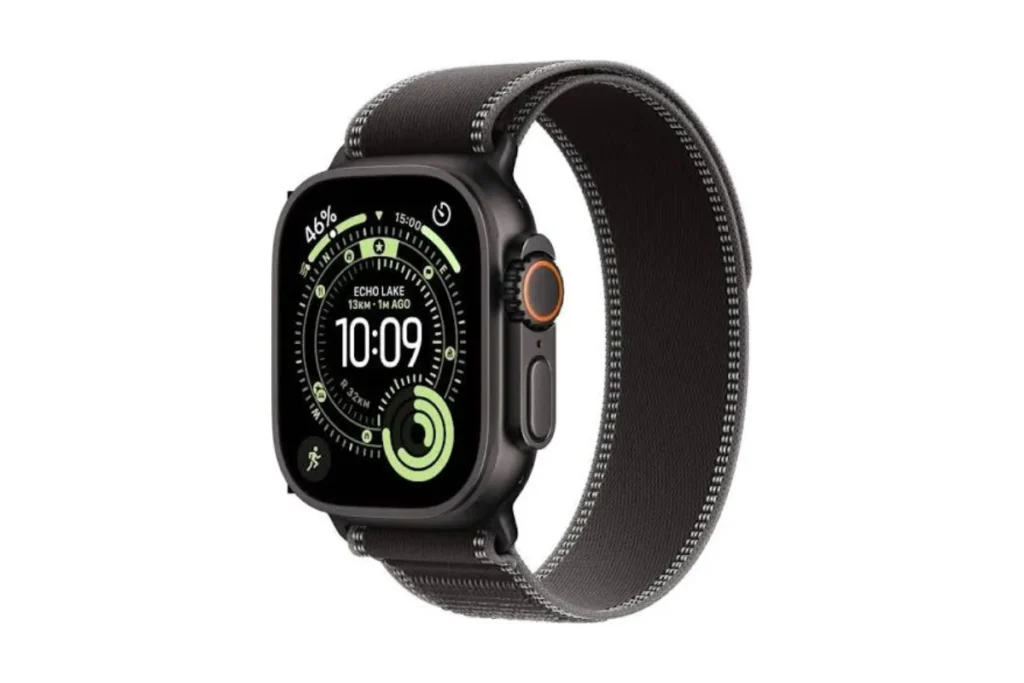
If you put these two smartwatches next to each other, it will be very difficult to differentiate them since they have the same dimensions. In this Apple Watch Ultra 4 vs Ultra 3 comparison, both devices come with a titanium body that measures 49 mm in size with a flat sapphire crystal on the front side. The Apple Watch Ultra 4 has a body weight of 63.0 grams, whereas the other one has a slightly lighter body weight of 61.9 grams. When it comes to the display section, Apple Watch Ultra 4 is equipped with a LTPO3 OLED screen with 422 ✕ 514 resolution, whereas Apple Watch Ultra 3 is equipped with the same resolution. Both screens reach a peak brightness of 3,000 nits for outdoor visibility and drop to 1 nit in the dark.
For those asking what other features Ultra 4 has compared to the last-generation watch in this respect, Ultra 4 is more efficient at displaying the background than the previous generation. Other than this efficiency issue, the differences between the two models are minor. The Apple Watch Ultra 4 model includes Ocean bands that are translucent and also features a titanium case that is 100 % recycled, while the Apple Watch Ultra 3 model includes the usual color bands. However, both watches feature the same 100m water resistance and durability.
Performance Upgrade: How Much Faster Is Apple Watch Ultra 4?
This is where the comparison between Apple Watch Ultra 4 vs. Ultra 3 starts to get more interesting. Apple Watch Ultra 4 features the latest S11 dual-core processor, as compared to the earlier S10 chip on Apple Watch Ultra 3. This new S11 chip is not just about opening apps a fraction of a second faster, it is the brains behind the new sensor arrays and AI capabilities. Apple Watch Ultra 4 has a 50% larger last-level cache to process data quickly, while the other one has a smaller cache size that limits background buffering.
What else does the Ultra 4 have in terms of performance upgrades? The main improvement that it makes here is in terms of the new quad-core Neural Engine with enhanced bandwidth. The Apple Watch Ultra 4 has more advanced capabilities of on-device AI processing that it doesn’t have in the previous version. This is because of the new S11 chip that enables the use of Apple Intelligence technology, which allows running advanced Siri commands with the knowledge of your personal context right from your wrist. It processes your voice commands and translations without the help of your iPhone and cellular data. The previous model uses older machine learning models for the basic features.
In addition to this, there is hardware-isolated Secure Exclave in Apple Watch Ultra 4 and a normal audio buffer in the other one. This Secure Enclave provides for the management of raw audio for processing of new Audio Intelligence features, including constant Sound Recognition for ambient noise in the new watch, entirely on-device. App performance in both watches is very smooth. But the hardware-dependent functions of the latest Apple Watch make it stand out when it comes to future-proofing. Comparing Apple Watch Ultra 4 and Ultra 3, we see that the S11 chip provides for the processing of health algorithms and environmental audio without depleting the battery power.
Health Features: What Is Actually New?
If we consider the internal upgrades, one of the most notable things to take note of is the difference in the health tracking capabilities of these two devices. While Apple Watch Ultra 4 has an entirely revamped internal architecture dedicated to tracking your vitals, Apple Watch Ultra 3 features the traditional sensor configuration that was used last year. Let’s delve right into it if you want to know more.
Health Sensing System
The underlying basis of these abilities is the hardware itself. Apple Watch Ultra 4 is equipped with an updated Health Sensing System that incorporates a new concentric radial ring pattern of larger green LEDs and multi-axis photodiodes, while Apple Watch Ultra 3 is supplied with the standard centralized optical heart sensor cluster from Apple. Thanks to such a layout, this device is able to provide better optical path integrity in case of skeletal muscle contraction that is not possible in the previous generation of the watch. Electrical heart sensors and blood oxygen sensing remain unchanged in both models. The main difference between these two devices in terms of health sensing hardware can be seen in the new radial sensor array which greatly decreases noise signals in case of bending of your wrist.
Heart Rate and HRV Tracking
© Apple
© Apple
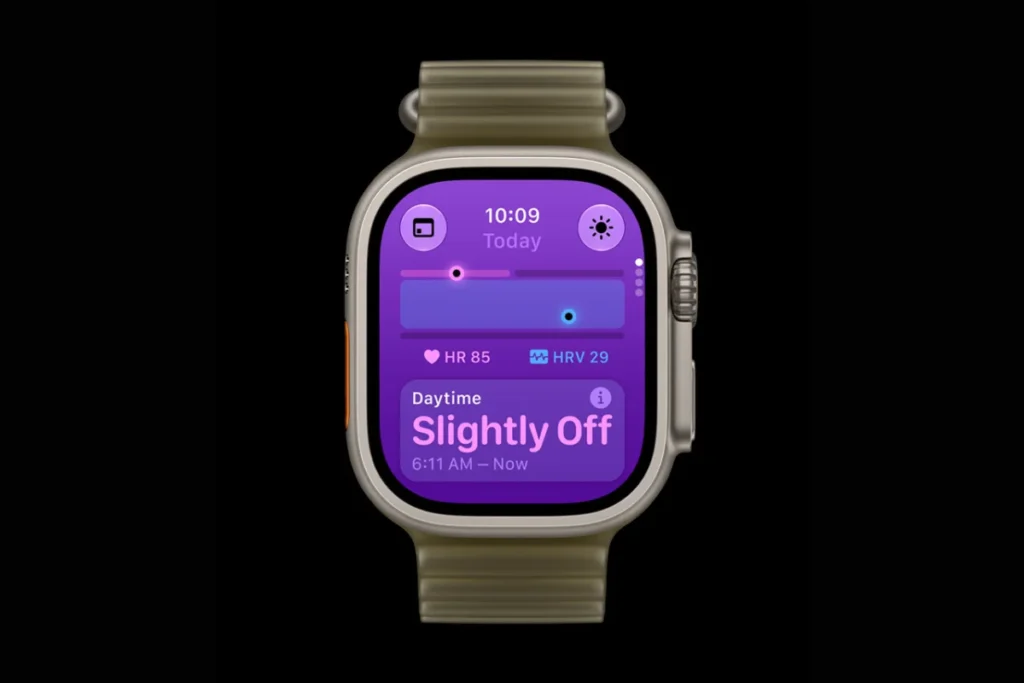
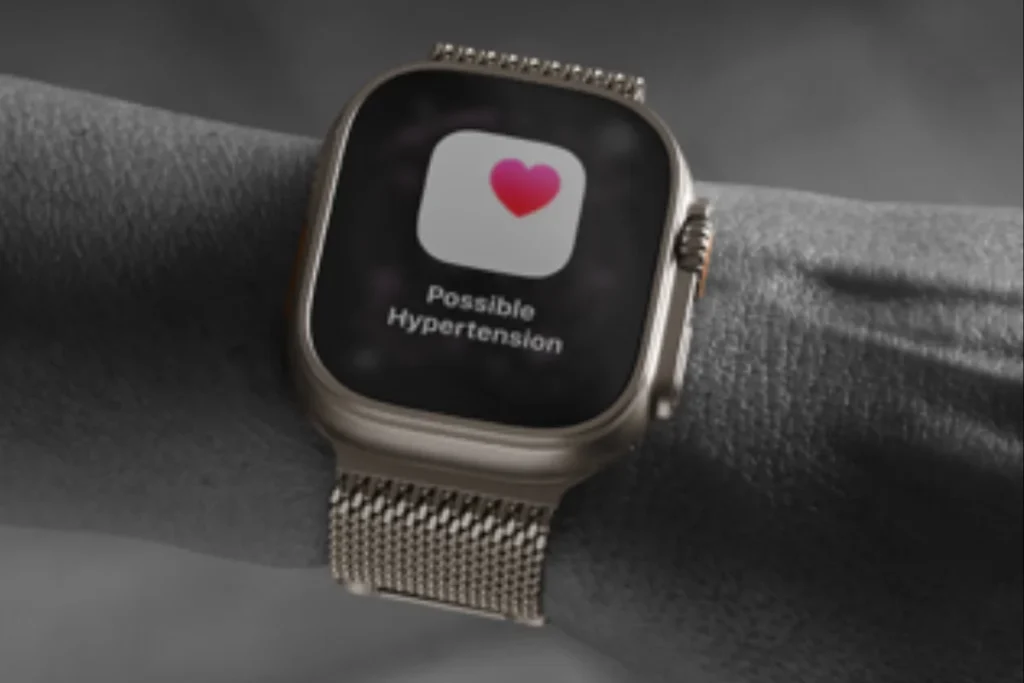
Due to the introduction of new sensor technology, the method used by these watches for the monitoring of your cardiovascular performance metrics is totally changed. The Apple Watch Ultra 4 features continuous, passive heart rate monitoring where the measurement is done every 5 seconds throughout the day, but the other one features an intermittent monitoring system where the readings can be taken every few minutes in a resting position. In addition to that, the Ultra 4 has the capability of measuring Heart Rate Variability (HRV) 24 times more often and recording variation every 5 minutes.
This watch has dual-variant HRV metrics that distinguish overall HRV and recovery HRV, which is not available in the older version of the watch. This high-density data pipeline ensures that brief spikes in physical stress are captured accurately rather than being missed between measurement intervals.
Sleep Tracking and Sleep Score
© Apple

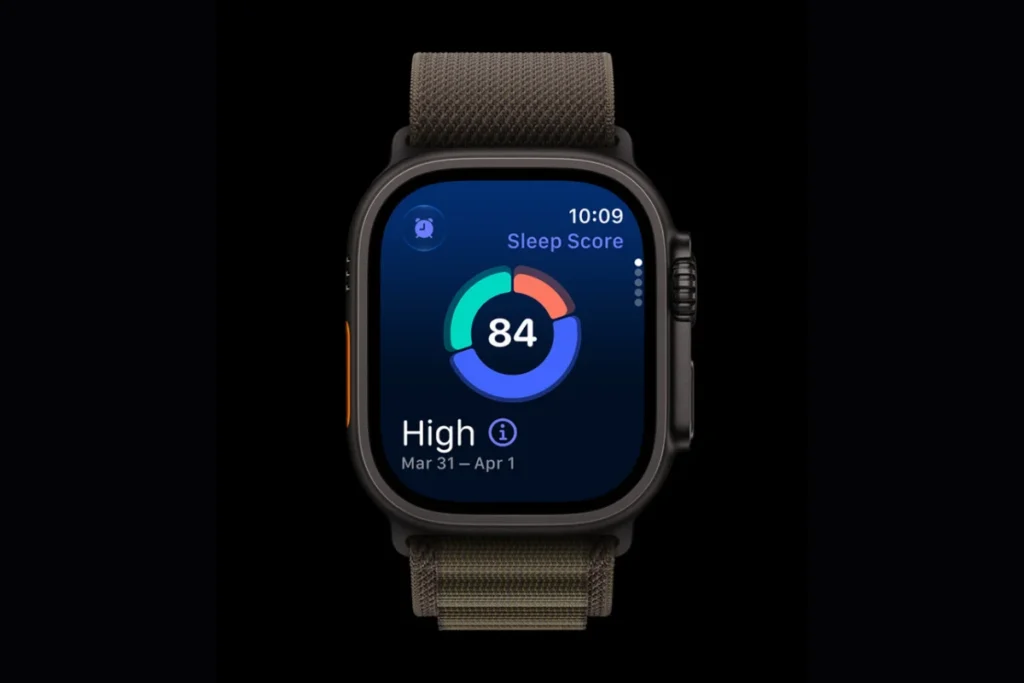
These smartwatches are both perfect for monitoring your sleep at night through actigraphy and heart rate. The Apple Watch Ultra 4 features a comprehensive sleep stages tracker that analyzes your Core, Deep and REM sleep while the Apple Watch Ultra 3 offers all of these capabilities for sleep monitoring. Moreover, both devices feature a Sleep Score, calculated using your vitals and respiratory rate during the night. Yet, while the Apple Watch Ultra 3 doesn’t have it, the Apple Watch Ultra 4 features continuous wrist-temperature tracking through two thermistors, which monitor your wrist temperature every five seconds during sleep, creating a highly granular thermal profile. This watch has better overnight baseline stability which it lacks in the previous generation, meaning the sleep-related health insights are built on much denser continuous data.
ECG and Heart Health Features
When it comes to medical grade heart monitoring, both gadgets continue to perform equally well with similar electrical hardware design. While the Apple Watch Ultra 4 offers FDA-approved ECG app that detects the tiny electrical signals around your chest with the help of electrodes in the Digital Crown and back crystal, the Apple Watch Ultra 3 also offers all the electrical hardware heart health capabilities that you may need.
The watches will notify you about any unusual heartbeat readings when you are inactive and detect an irregular heart rhythm. The only difference between the two watches here is that the Apple Watch Ultra 4 has a better cardiovascular background profile due to constant optical scanning, while creating the 30-second ECG waveform is the same for both.
Readiness and Health Insights
This is the most prominent software feature linked to the new S11 processor. While Apple Watch Ultra 4 offers a sophisticated Readiness feature that analyzes your total training load, HRV and sleep score to provide you with a daily 0 to 10 rating, Apple Watch Ultra 3 offers only regular activity rings and sleep tracking without the recovery score. With the new algorithm, your autonomic nervous system status is categorized into tiers, encouraging you either to recover, slow down or go ahead with your activities. This watch has better active recovery-related insights which it lacks in the older model, as the Readiness score constantly updates throughout the day based on your real-time physiological stress.
Health Age
© Apple
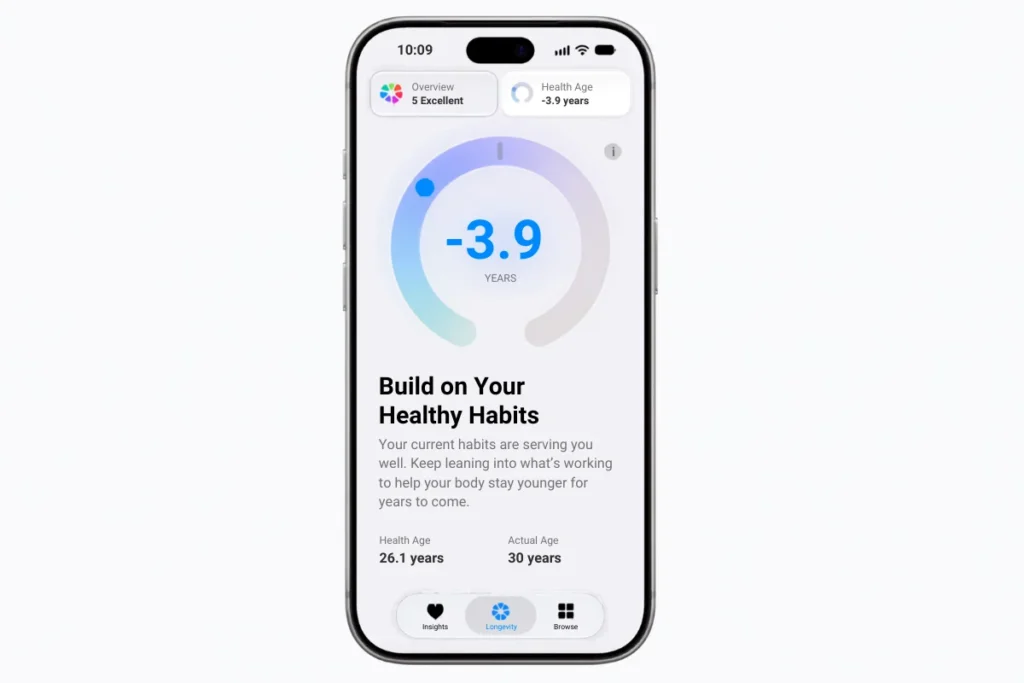
Longevity tracking in the long run is another sphere Apple ecosystem is engaged in. Apple Watch Ultra 4 provides seamless compatibility with the Longevity tab in the iPhone Health app featuring your biological Health Age, while Apple Watch Ultra 3 provides you with the ability to use this feature because of its connection with Apple Health and watchOS as a whole. Although this is not a proprietary Ultra 4 feature, there is one thing that Ultra 4 provides you with more than Ultra 3 and this is the amount of high-frequency metric data this watch provides for the multi-modal phenotyping algorithm. This means that there is better precision in these estimates, and your calculated Health Age becomes more individualized because of that.
Fitness Tracking: What’s Different This Time?
In terms of athletic performance, the fitness tracker is where these two durable smartwatches are able to prove their stamina. The Apple Watch Ultra 4 includes a better processor on the inside to improve your workout data constantly, while the Apple Watch Ultra 3 has the tried-and-tested fitness tracking features. For trail racing, diving or multisport activities, here is how each smartwatch performs in terms of fitness metrics.
Workout Tracking
© Apple
© Apple
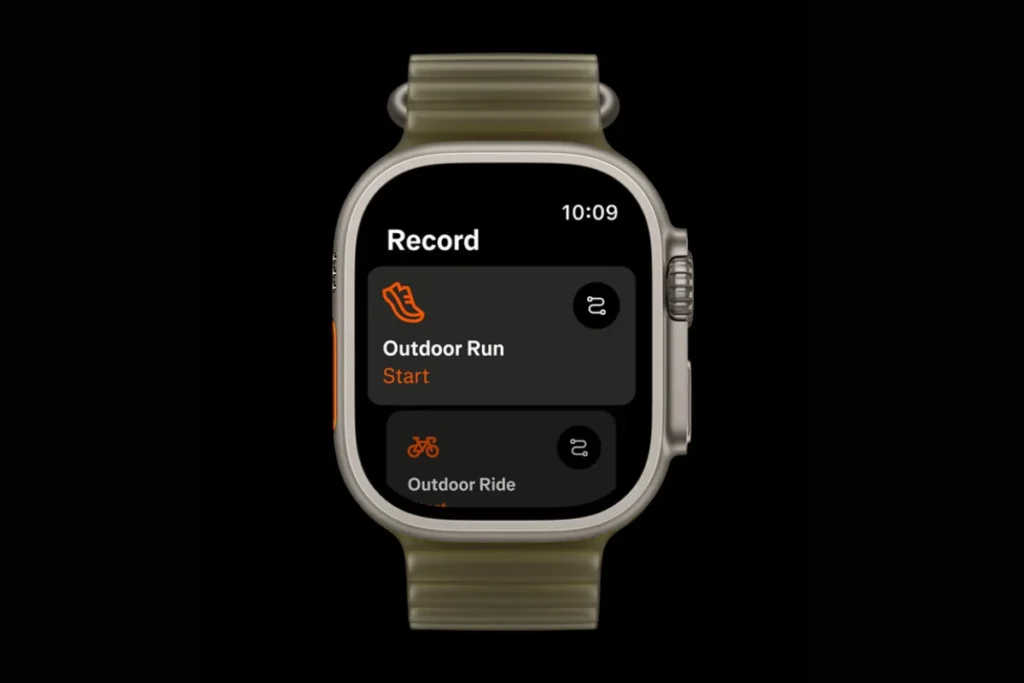
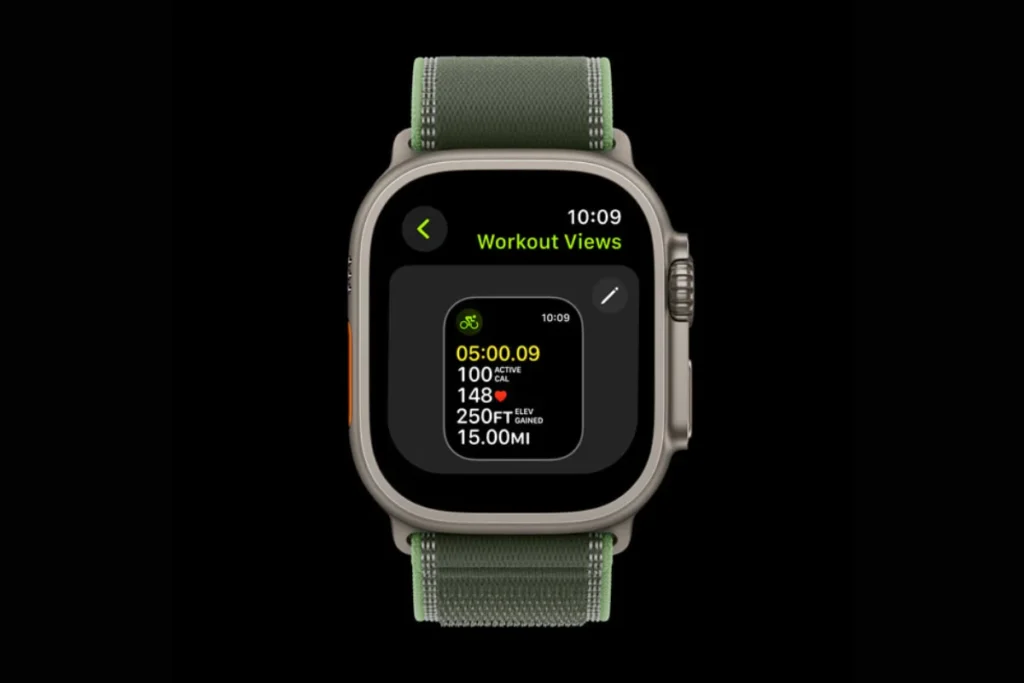
Both watches have an incredible library of different athletic exercises, starting from indoor and outdoor track running and open water swimming to high mountain mountaineering. Apple Watch Ultra 4 is equipped with an advanced activity measurement engine that constantly calculates real-time training load each second, while Apple Watch Ultra 3 is provided with the default calculation of 28-day rolling training load that is calculated after workouts. Both watches provide you with the calculation of your acute and chronic workload ratio to help you understand whether your workouts are effective or overloading your body.
The new Apple Watch Ultra 4 has target pace training workouts that are paired with adaptive heart rate zones based on your daily recovery, while the other watch has traditional heart rate zones set up manually. The newer watch has enhanced mid-workout sensitivity that the previous watch lacked due to the absence of recalculation of your cardiovascular strain.
If you are wondering what the Ultra 4 has more related to the fitness tracking in this section, it features an adaptive multisport transition engine that uses inertial sensors to detect changes between swimming, cycling, and running instantly without manual button presses.
Running Metrics
© Apple
© Apple
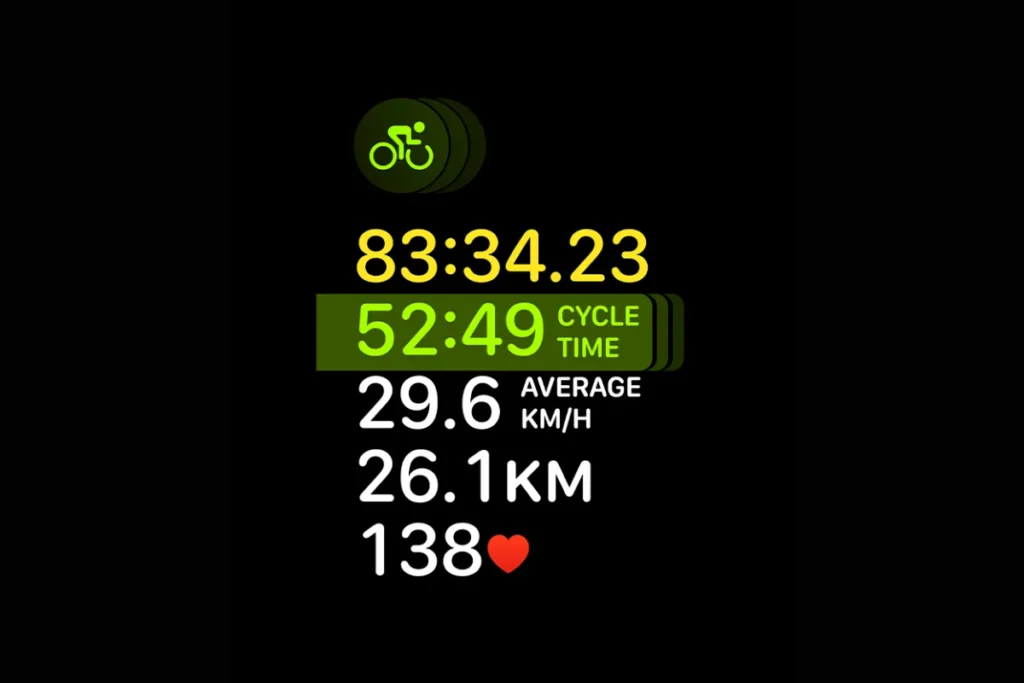
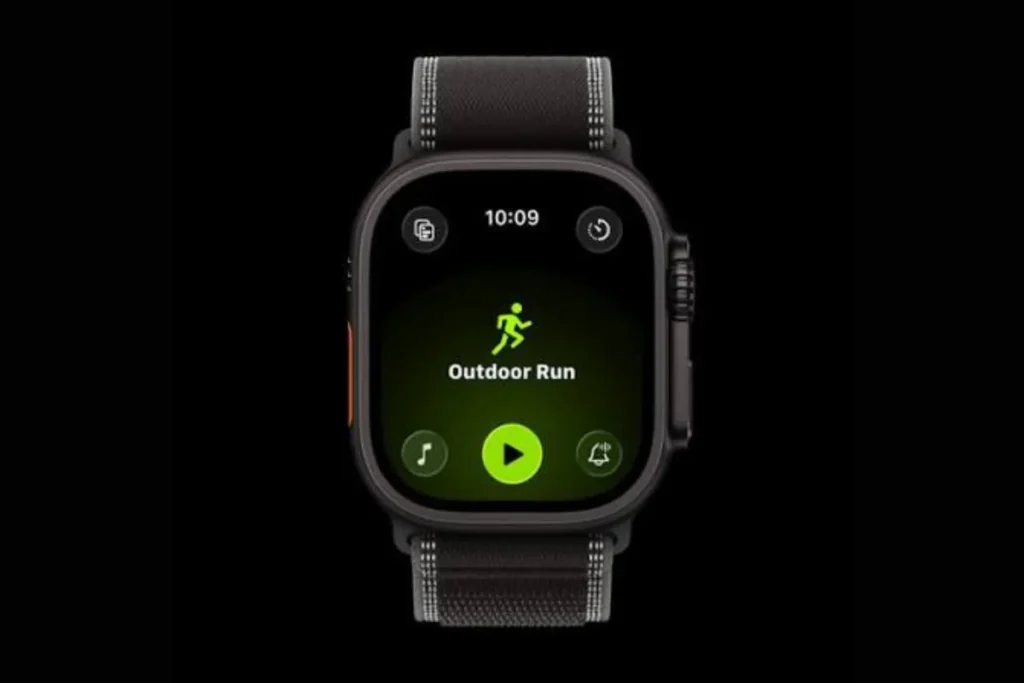
For runners interested in biomechanics, the two watches serve as full wrist labs. Apple Watch Ultra 4 is equipped with a high-bandwidth inertial measurement unit (IMU), which measures motion vectors at a higher frequency, compared to Apple Watch Ultra 3 that features motion processing algorithms. The two watches measure running power in watts, together with running cadence, stride length, ground contact time and vertical oscillation.
Apple Watch Ultra 4 has tighter sensor filtering during steep trail ascents and sprints, while the other one has standard filtering that occasionally experiences data smoothing lag during rapid changes in pace. This watch has better stride precision which it lacks in the older device, keeping your ground contact time readings consistent even when running over uneven terrain. What does Ultra 4 has more related to running metrics is its ability to combine continuous barometric slope measurements with instantaneous watt output, giving you immediate feedback on mechanical efficiency during steep uphill efforts.
VO2 Max and Cardio Fitness
Monitoring aerobic fitness gives you a crucial understanding of your future cardio potential. Apple Watch Ultra 4 has a built-in cardio fitness assessment based on its highly sensitive optical sensor, while the predecessor, Apple Watch Ultra 3, has the same submaximal heart rate to pace algorithm that allows calculating VO2 max from 14 to 65 mL/kg/min. Neither device presents an innovative medical scale as it is the same VO2 max calculation implemented in watchOS.
However, the hardware inputs feeding the formula differ noticeably. Apple Watch Ultra 4 has 5-second pulse sampling and faster elevation synchronization, while the other one has standard periodic pulse checks during outdoor walks, runs and hikes. This watch has better input stability which it lacks in the older model, reducing artificial dips or spikes in your cardio fitness score caused by wrist movement or steep grades. In this category, what does Ultra 4 has more is clean data logging, ensuring your predicted VO2 max reflects true physiological progress rather than optical noise.
GPS and Outdoor Tracking
© Apple
© Apple
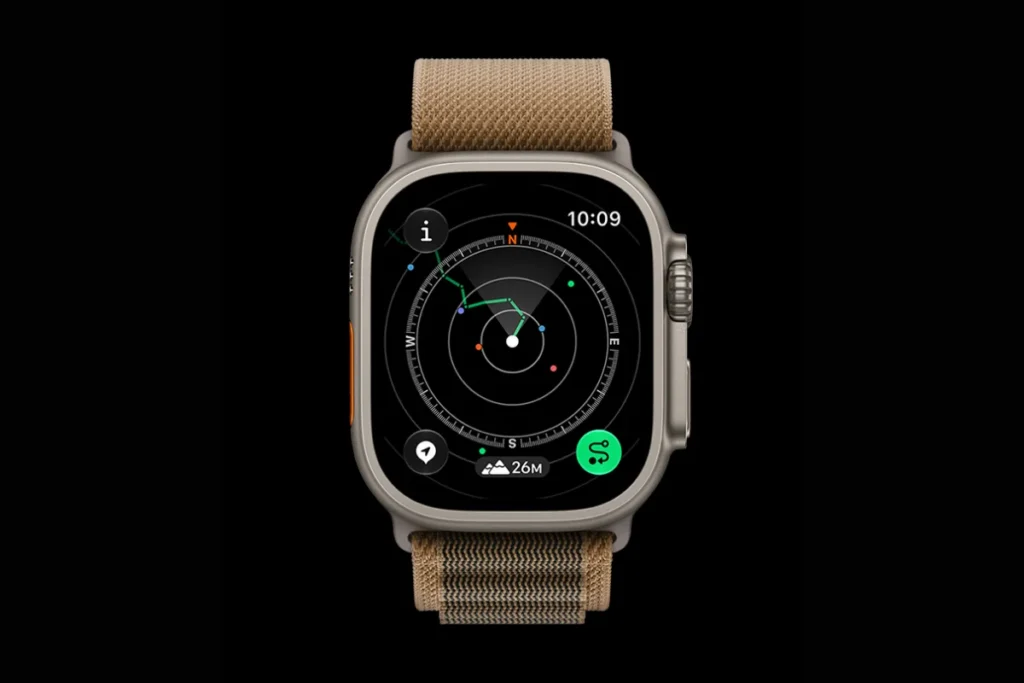
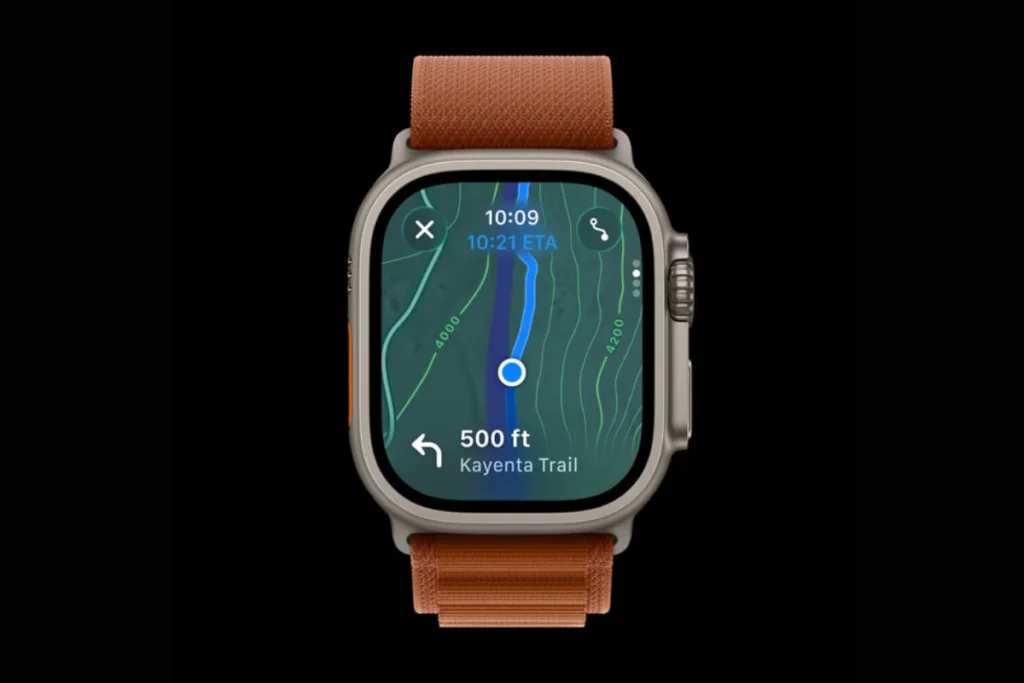
For hiking on remote trails, one needs reliable positioning technology. The latest Apple Watch Ultra 4 has improved dual-frequency GPS technology (L1 and L5) with a recalibrated antenna. On the contrary, the Apple Watch Ultra 3 has the standard L1 and L5 dual-frequency technology. Also, both watches have offline topo maps with contour lines, a Compass app with a Waypoint feature, an automatic Backtrack feature and altitude that works properly between -500 meters and 9,000 meters.
The new model has the enhanced low-power GNSS duty cycle processor as compared to the standard power consumption model for satellite acquisition in the other. This watch has increased satellite endurance navigation as compared to the previous model, providing outdoor workout tracking for up to 45 hours in Max Extended workout mode, while it was only 35 hours before. The extended satellite endurance of this model makes it unique in terms of outdoor tracking, the ultrarunners and backpackers can travel for several days with this device without charging.
Diving and Water-Based Fitness
When we consider aquatic sportsmen and divers, there are no significant differences in specifications of these two generations of devices. In terms of hardware, Apple Watch Ultra 4 features WR100 (100-meter water resistance) and EN13319 engineering certifications, whereas Apple Watch Ultra 3 also has the same water-resistant certification credentials. Both watches have built-in depth gauge with 40-meter (130-feet) accuracy, water temperature sensor and ability to automatically activate Depth app once the device is submerged into water.
Apple Watch Ultra 4 supports all functions of the Oceanic+ app for recreational diving and freediving, while another one has the same set of features for diving such as decompression stops, ascent rates and surface interval tracking. This generation of the watch has higher underwater screen refreshing capability, which its predecessor lacks, however, all core features related to underwater activities are similar. In terms of water fitness, the only difference of Apple Watch Ultra 4 is that it works longer in water thanks to increased battery life.
Battery Life and Outdoor Performance
Battery life is a huge factor when we are comparing Apple Watch Ultra 4 vs Ultra 3. Endurance is what these watches are meant for and the latest edition takes this to an even greater level. Apple Watch Ultra 4 gives up to 50 hours of normal everyday use of the battery, while the Apple Watch Ultra 3 gives up to 42 hours of the battery life.
With the activation of the Low Power Mode, the Apple Watch Ultra 4 will give you more power to live up to 84 hours, which is not possible in the old one, where it only works up to 72 hours. This means that the Max Extended Workout mode will track your GPS and heart rate for 45 hours.
They both have dual-frequency GPS for extreme precision in forested or high-rise environments. If you want to get the most out of their running capabilities, then make sure you check out the Best Apple Watch Running Apps. They both have satellite emergency communications as well as offline maps with turn by turn navigation. The only downside is that the Apple Watch Ultra 4 vs Ultra 3 battery comparison proves the former to be superior.
Also, the new watch has fast charging, where just 15 minutes will extend its battery by 18 hours, whereas on the Apple Watch Ultra 3, a 15-minute quick charge delivers around 12 hours of battery life. When charging from zero, the Apple Watch Ultra 4 takes about 45 minutes to reach an 80 percent charge, while the Apple Watch Ultra 3 requires around 60 minutes to reach that same 80 percent level using the standard magnetic fast-charging cable.
Apple Watch Ultra 4 vs Ultra 3 Software Experience
Software is an important element that defines the differences between the Apple Watch Ultra 4 and the Ultra 3. Following the introduction of watchOS 27, both models get numerous new features. In particular, Apple Watch Ultra 4 will get the Apple Intelligence technology built right into its hardware while Apple Watch Ultra 3 will have the standard watchOS 27 update.
There will be many software enhancements available for both devices, including the Liquid Glass design, Live Translation and the one-handed wrist flick feature. Nonetheless, the innovative Audio Intelligence technology that will help users catch the most important conversation elements is only possible due to the Secure Exclave of the S11 chip.
The improvements to the Apple Health app are another example of this. Although both watches are integrated into the same ecosystem, the latter fills up a new daytime vitals screen based on its frequent HRV monitoring. The Apple Watch Ultra 4 vs. Ultra 3 software experience shows that although old models get new software, the best functionality is still achieved by the newest hardware.
Should Apple Watch Ultra 3 Owners Upgrade to Ultra 4?
Upgrade if:
- You want longer battery life
- You need the newer health sensors
- You want more frequent heart-rate tracking
- You use extended outdoor workouts
- You want the latest Ultra features
Keep Ultra 3 if:
- Its battery life still works for you
- You’re happy with its health tracking
- You don’t need the newer sensor system
- Your current workout features are enough
- You plan to wait for a bigger upgrade
Final Verdict
If I had to choose one, I’d go with the Apple Watch Ultra 4. The design may not look dramatically different from the Ultra 3, but the upgrades underneath make it more interesting, especially the newer health sensing system, more frequent health readings and longer battery life.
For me, those are the kinds of upgrades that matter over time. The Ultra 3 is still a capable watch, but if I’m buying one today, I’d rather spend the extra money on the newer hardware and get the latest Ultra experience.
Decode the Decor
The Smart Jewelry Revolution
A practical guide to wearable tech's future — delivered straight to your inbox.
Author
