

Most smartwatches can tell you how many steps you took, how fast your heart was beating or how well you slept. But blood pressure is a different story. The Huawei Watch D3 does not simply look at your wrist and estimate your blood pressure using optical sensors. Instead, it has something much more unusual for a smartwatch: a small mechanical airbag built into its strap.
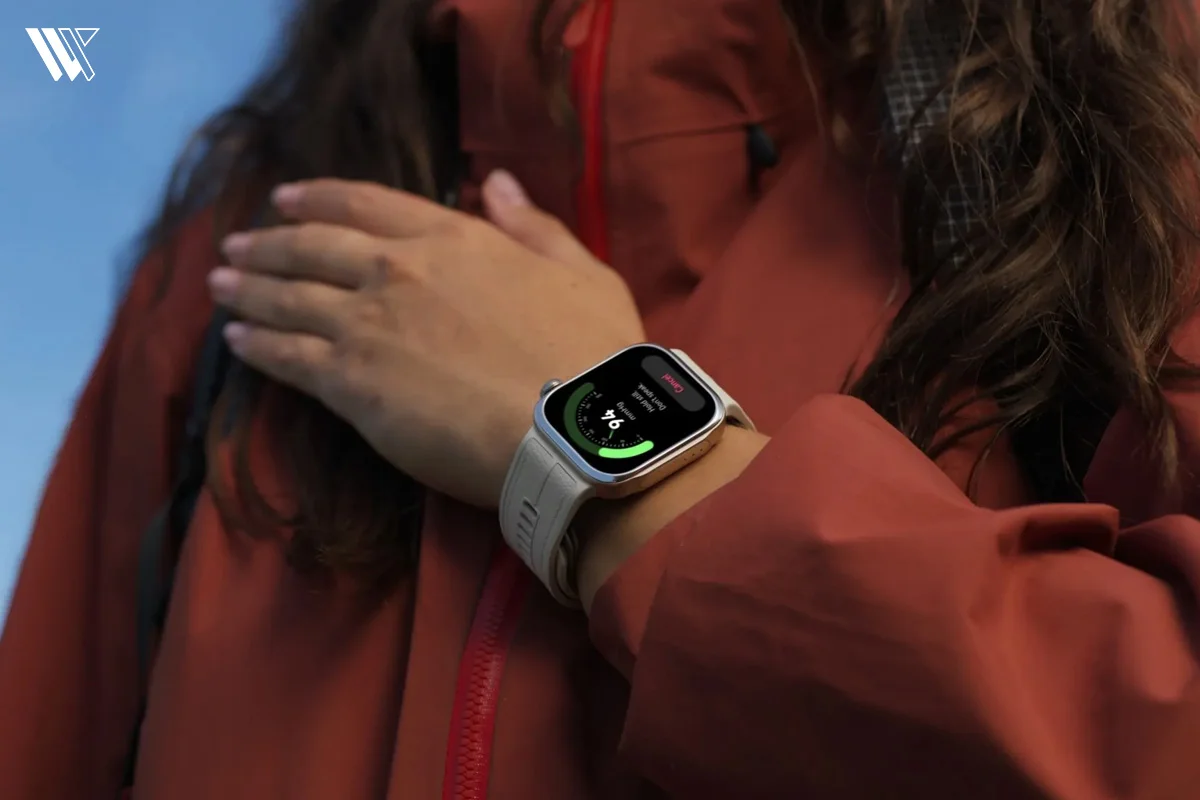
That makes the Huawei Watch D3 blood pressure feature particularly interesting, especially because the watch can also track blood pressure over a 24-hour period. But how the watch measures blood pressure and how accurate those readings are are two different questions. So, let’s break down exactly how it works.
How Does the Huawei Watch D3 Measure Blood Pressure?
© Huawei
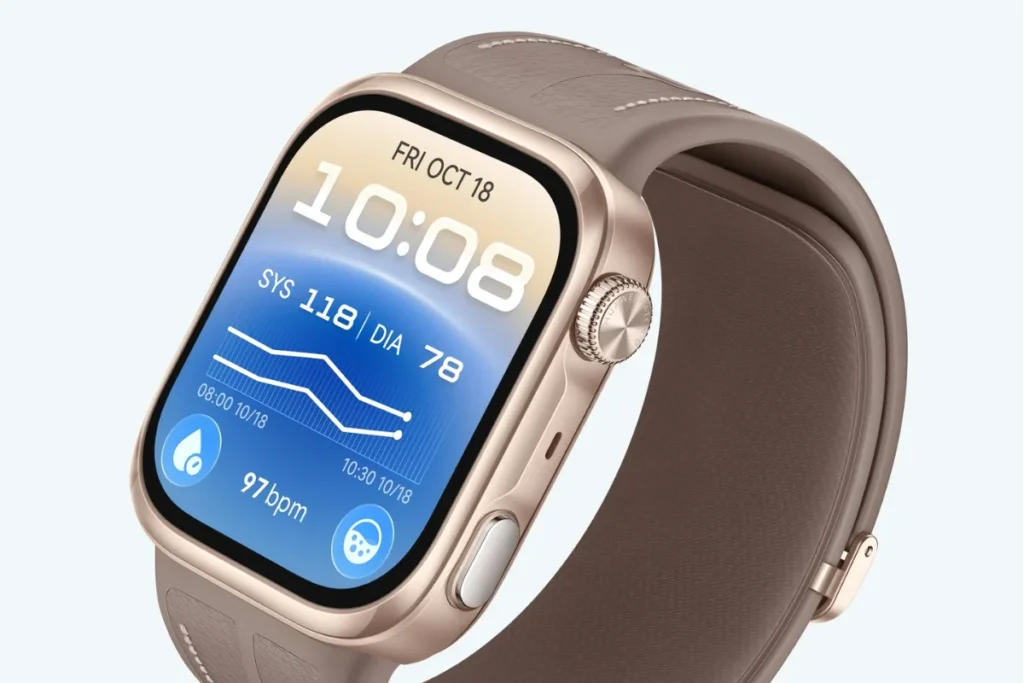
Unlike typical fitness wearables, the Huawei Watch D3 provides blood pressure measurement by an entirely different approach. Rather than using only optical light beams to derive pulse waveforms from the skin, the device comes equipped with a genuine mechanical inflatable cuff.
The device operates based on the oscillometric measurement method, which is the very same concept that is used in regular blood pressure cuffs:
Decode the Decor
The Smart Jewelry Revolution — a practical guide to wearable tech.
- Inflatable Cuff: Once you initiate measurement, a miniature electric pump will inflate the strap cushion around your wrist in order to press it against the radial artery.
- Pressure Differential Sensor: As the mechanical cuff slowly deflates, it registers micro-variations in pressure caused by blood pulse in the artery.
- TruSense Technology: The advanced TruSense algorithms process the obtained data and calculate blood pressure based on it.
Rather than providing only vague information about high-risk of hypertension, this wearable provides actual systolic and diastolic blood pressure measurements in mmHg units. While optical smartwatches make calculations based on estimation of blood flow rate, this one actually compresses the artery in order to measure pressure waves. Of course, having a cuff does not necessarily mean obtaining the result that would be identical to that of a medical device.
What Is Huawei Watch D3 24-Hour ABPM?
© Huawei
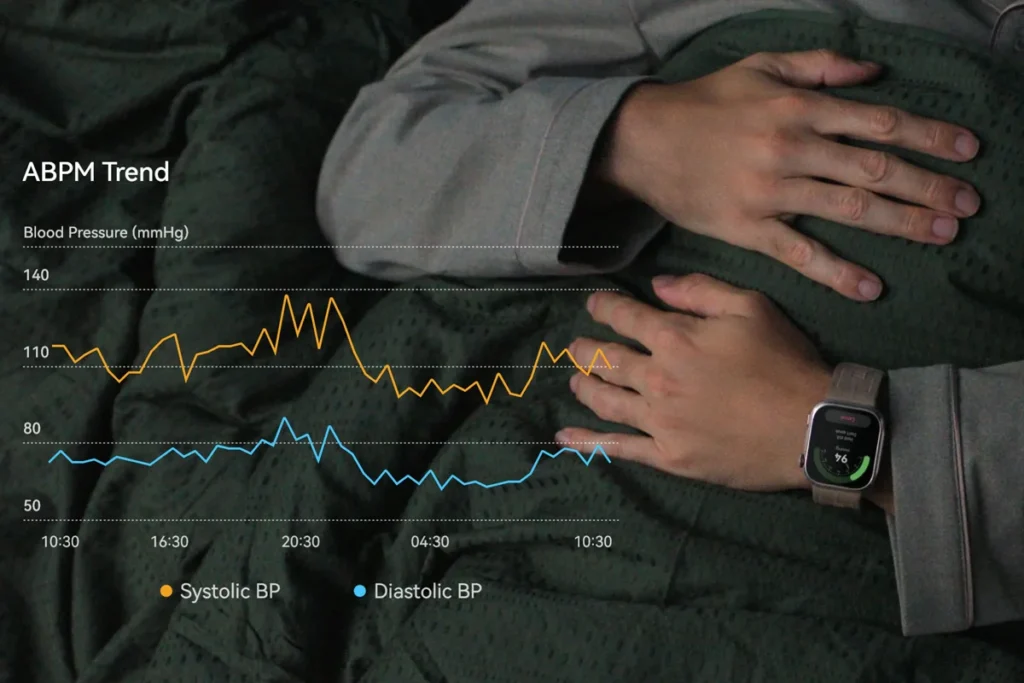
Another remarkable feature about this smartwatch is the ambulatory blood pressure monitoring system. Medically, ambulatory means that the device records arterial pressure while you perform your daily activities and not when you have to sit down at the clinical table device beside it. Since the blood pressure in people changes all the time because of stress, digestion, physical activity, 24-hour ABPM is considered the gold standard in finding the real cardiovascular baseline.
The 24-hour blood pressure design in Huawei Watch D3 is based on the intervals instead of the continuous measurements since true oscillometric technology is based on the artery occlusion, meaning that the micropump physically inflates the airbag and thus temporarily compresses the radial artery. While in the daytime mode, you have the opportunity to set up the device and get the notifications from it every 15, 30, 45 or 60 minutes to do the measurement of your blood pressure.
As you prepare to wind down for the day, the system switches into a sleep mode that will work independently of any manual input needed from your end. Once it detects you have fallen asleep, the watch begins to use the low-noise micro air pump, which runs completely silently, to inflate the strap and measure the pulse wave oscillations without disturbing you. The measurements taken during these nighttime hours are important because they help determine whether you exhibit a condition called nocturnal dipping, where healthy systolic and diastolic values decrease by 10% to 20% at night. If the nighttime dip does not occur, it is referred to as non-dipping.
All data recorded during day and night is automatically transferred to the Huawei Health app through Bluetooth connection, where TruSense algorithms will filter movement artifacts and map all your data in the form of an ABPM report. Digital ABPM report provides you with calculation of MAP for 24 hours, averages of blood pressure at daytime and nighttime and range of pulse pressure. All circadian curves are presented in the graphs, which help you to organize all these physical inflations and have a comprehensive report similar to diagnostic one.
How Accurate Is the Huawei Watch D3?

© Huawei
The first step in assessing the accuracy of the Huawei Watch D3 starts with looking at the mechanical principles involved, since measuring pressure using physical cuff technology works quite differently from the optical sensors used in normal smartwatches. Rather than trying to estimate blood pressure readings using light pulses measured via the skin as in normal smartwatches, the Huawei D3 actually uses a real micro-airbag and highly accurate pressure sensors with an error margin of no more than ±3 mmHg in their hardware. To validate this engineering feat, the Huawei Watch was designed following all of the proper protocols followed during the development of other medical devices, primarily the international standard ISO 81060-2, approved by the ESH and AAMI among other organizations.
However, lab compliance and claims made by the manufacturer are different from a complete and independent clinical trial in real-life. While previous versions such as the Watch D and Watch D2 showed good compatibility with clinical mercury sphygmomanometers during various trials, any scientific study of the D3 has to be based on independent trials performed specifically on its new hardware and algorithms. The point here is that the radial artery is thinner and more responsive to physiological changes compared to the brachial artery, making any variance in anatomy, position or strap placement affect the results.
Due to the fact that everyday factors may affect the results of the wrist reading, Huawei explicitly mentions that the purpose of the Watch D3 is to offer reference data rather than to be used as a diagnostic device. This approach is very reasonable because, even though the physical inflation of the device provides a higher level of reliability compared to optical wearables, it still cannot replace the office examination. So, the watch is the best helper for early screening, but all issues related to high blood pressure should be verified by upper arm monitors and the clinical decision of the doctor.
What Can Affect Huawei Watch D3 Blood Pressure Accuracy?
Even with an accurate pressure sensor, users actions in the real world can affect the outcome of the measurement. Not adhering to the required steps can result in inaccuracy of Huawei Watch D3:
- Wrist Height and Position: It is crucial to have your wrist supported and flat at the level of your heart during the process of inflation. If your wrist is held too low, it will inflate your readings and if too high, it will deflate the reading.
- Moving Around and Talking: You have to be motionless and silent. Moving your hand, talking or laughing may lead to sudden changes in pressure readings due to increased pressure in the cuff.
- Airbag Strap Size and Fit: Airbags come in different sizes, Medium and Large. Too loose or oversized airbag straps will make it impossible to compress your radial artery.
- Physiological Factors: Physical activity, coffee, alcohol, smoking, heavy meal or nervousness will contribute to fast fluctuations in the blood pressure.
- Health Issues: Some conditions like severe arrhythmia, peripheral vascular disease and Parkinsonian tremors can affect the oscillometric sensor.
Can the Huawei Watch D3 Measure Blood Pressure During Exercise?

© Huawei
You cannot measure blood pressure in the middle of a sprint because the mechanical airbag requires your arm to be completely still. Instead, the watch introduces structured pre-exercise and post-exercise measurements.
Prior to beginning exercise, whether indoors or outdoors such as running, cycling or walking, the watch reminds the user to do baseline measurement in the resting state. Immediately after the exercise is completed, the user will have another reminder to take measurement within two minutes. This is done to assess how the vascular system dealt with the exercise.
Huawei Watch D3 vs a Traditional Blood Pressure Monitor
Choosing between the Huawei Watch D3 cuff and a traditional upper-arm monitor comes down to convenience versus established clinical protocols.
| Feature | Huawei Watch D3 | Traditional Upper-Arm Monitor |
|---|---|---|
| Measurement Location | Wrist (Radial Artery) | Upper Arm (Brachial Artery) |
| Portability | High, wearable all day | Low, requires a separate device case |
| 24-Hour ABPM | Yes, automated day and night intervals | Rare in home units, usually requires clinic gear |
| User Posture Sensitivity | High, wrist must be at heart level | Moderate, arm rests naturally on a table |
| Primary Purpose | Daily trend tracking and lifestyle monitoring | Gold standard for diagnosis and medication plans |
Despite the fact that the upper arm cuff is still considered the gold standard due to the wider diameter of the brachial artery and its proximity to the heart, as well as less vulnerability to positioning errors, the portability of the watch allows for daily use.
So, Is the Huawei Watch D3 Accurate Enough to Trust?
The Huawei Watch D3 is one device which takes guesswork out of the equation by relying on the true oscillometric technology. The 24 hour ABPM readings, overnight inflation procedures and the comparisons made while exercising are all great ways to track down the progress in your cardiovascular system. It will never be an alternative to your doctor’s prescriptions and his recommendations but for monitoring the daily trends and your own baseline, there aren’t many devices better than it.
It is only natural to wish that monitoring of your health would be as easy and effortless as looking at your watch. If using the Huawei Watch D3 will keep you vigilant without being anxious, this piece of technology is worth your admiration already.
Wrap Up
At the end of the day, the Huawei Watch D3 brings something unusual to your wrist: a smartwatch that can actually take blood pressure measurements using an inflatable airbag. The technology makes it an interesting option for keeping track of your blood pressure throughout the day, but it is still best seen as a helpful health companion rather than a replacement for your doctor. After all, having more information about your health is useful, knowing what to do with it is what really matters.
FAQs
Decode the Decor
The Smart Jewelry Revolution
A practical guide to wearable tech's future — delivered straight to your inbox.
Author
