

New wearable tech in 2026 is starting to look very different from the wearables we are used to. For years, smartwatches, fitness bands and smart rings have dominated the market, tracking familiar things like heart rate, steps, sleep and workouts. But now, wearable technology is moving beyond the wrist and exploring completely new ways to understand the human body.
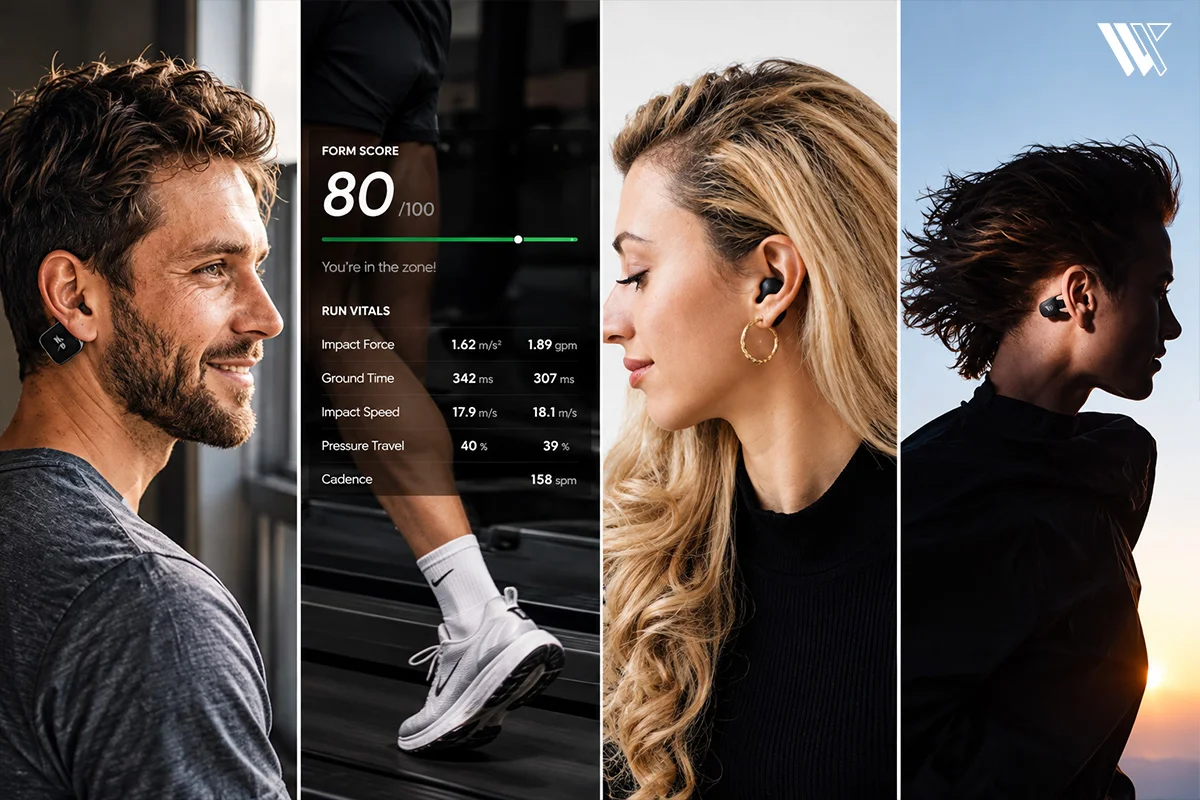
From the head and ear to the space behind the ear and even inside your shoes, the latest new wearable tech 2026 is becoming more specialized, more interesting and in some cases, far more ambitious. Here are the 4 new devices showing where wearable technology could be heading next.
The Wearable Market Is Moving Beyond Smartwatches
In terms of health metrics, the early days of wearables was pretty much about the use of optical PPG sensors which were placed at the top of your wrist. Of course, this was sufficient to track daily activity, such as the number of steps you took or your heart rate zones while running in the evening, but there have always been major physiological restrictions. Wrist, simply put, does not have the capillaries, skin conductivity or nerves required to track minute neurological changes or mechanical ground pressure.
This evolutionary process has resulted in a series of intelligent wearable devices that were created in order to track signals that could not be captured by the traditional smart watches. The focus is shifted from regular fitness tracking to specific biological areas such as direct neural oscillation tracking through daily electroencephalography, tracking of endocrine cycles without any invasive methods, autonomic nervous system manipulation and high-frequency dynamic foot pressure. In case you need to see what the wearable tech release are, it would be clear that the best inventions do not have displays at all.
Decode the Decor
The Smart Jewelry Revolution — a practical guide to wearable tech.
ATLAS 1.0 brain sensor, the Phira hormone tracker earring, the DUSQ sleep regulator and the STRIV biomechanical smart insoles represent four different products in which the transition is embodied. Nevertheless, it is important to remember that these technologies are in different phases of their development process. While DUSQ and STRIV gear up to ship their initial product batches by the end of 2026, ATLAS is now accepting pre-orders for their 2027 launch and Phira is still in clinical validation stage. It should not be about becoming the only device you need instead of your smartphone.
ATLAS Is Bringing EEG Into an Everyday Wearable
© ATLAS
Primary Product Details
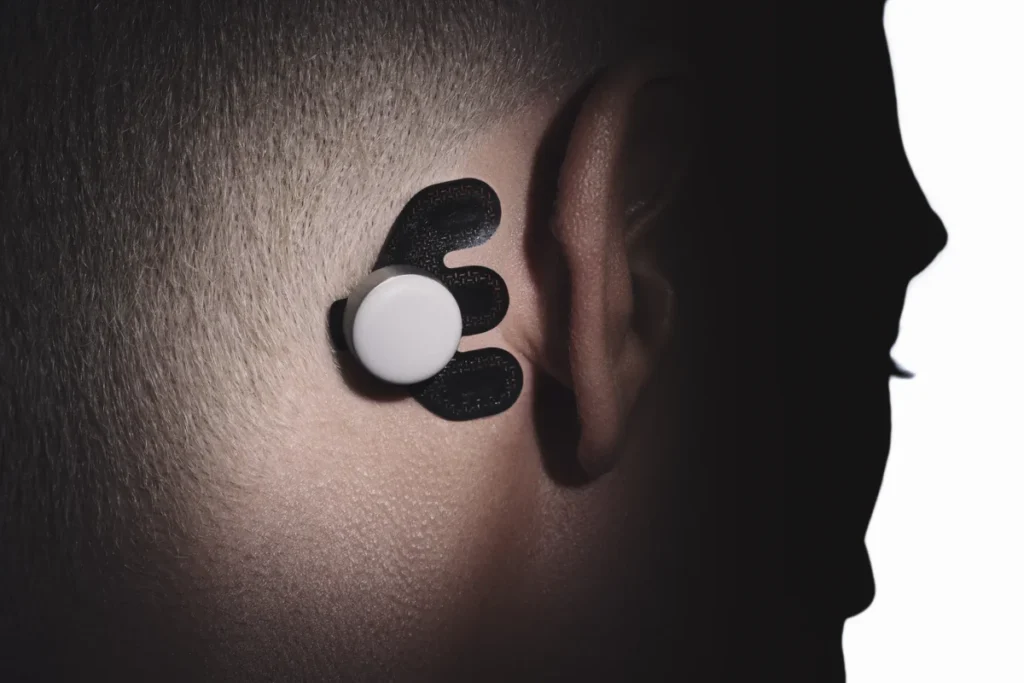
- Form Factor: Small sensor unit worn with an adhesive patch attached behind the ear
- Sensor Platform: EEG, IMU, GSR, Voice Signature acoustics
- Metrics: Presence (concentration focus), Psychological Stress, Mental Energy Expenditure
- Battery Life: 2 days on-device charger provides storage for up to 10 more days of battery life
- Commercial Availability and Pricing: Pioneer Edition pre-sale at $499 with $29.99 per month subscription, available Q1 2027 (requires iOS)
The ATLAS 1.0 is one of the boldest hardware plays ever made in the new wearable technology 2026 by trying to remove clinical EEG from the lab setting and adapt it for real-world mobility. For years, collecting clear recordings of electrical brain activity demanded putting on a gel-filled cap while sitting still inside of a shielded room, since even a small jaw clench or a head movement could create huge artifacts in the EEG readings. ATLAS bypasses that constraint by pairing a behind the ear neural sensor along with a 6-axis motion engine and skin conductance sensors. Having tried other neuro wearables like the Muse headband, I can say that movement noise is always a critical issue and the ATLAS addresses this problem through its advanced motion correction algorithms.
What makes the implementation so exciting is that ATLAS turns the complex brainwave activity that occurs at the microvolt level into tangible metrics about your mental well-being. Specifically, the software uses 3 proprietary measurements: Presence, to measure whether you are directing your attention externally or internally, Stress, to gauge the load on your nervous system and Energy Burn, to chart how quickly sustained mental work drains your mental capacity. The ability to track your cognitive functioning all day long provides real-time insights into when that meeting after lunch takes away your concentration or how that walk resets your mental stress. Notably, the company explicitly emphasizes that the hardware itself is a consumer wellness tracker and not a clinical diagnostic tool, which means that it has been designed to improve your workflow and not detect neurological disorders.
The first limitation is associated with the ownership cost and the need for software. The price for the Pioneer Edition of ATLAS is set at $499, but the device needs an additional $29.99 monthly fee for membership which will allow you to get new adhesive contacts every three months and access to cloud analytics. Due to the rapid degradation of skin adhesives due to sweat and other oils, ATLAS functions as an EEG and uses consumable supplies to maintain contact. Moreover, at present, an iOS device is needed to synchronize information. Thus, if you do not want recurring payments for a device which you can own entirely, the subscription may hurt, however, if you want to know more about your mental fatigue, ATLAS is the way to go.
Phira Turns an Earring Into a Hormone Tracker
© Phira
Primary Product Details
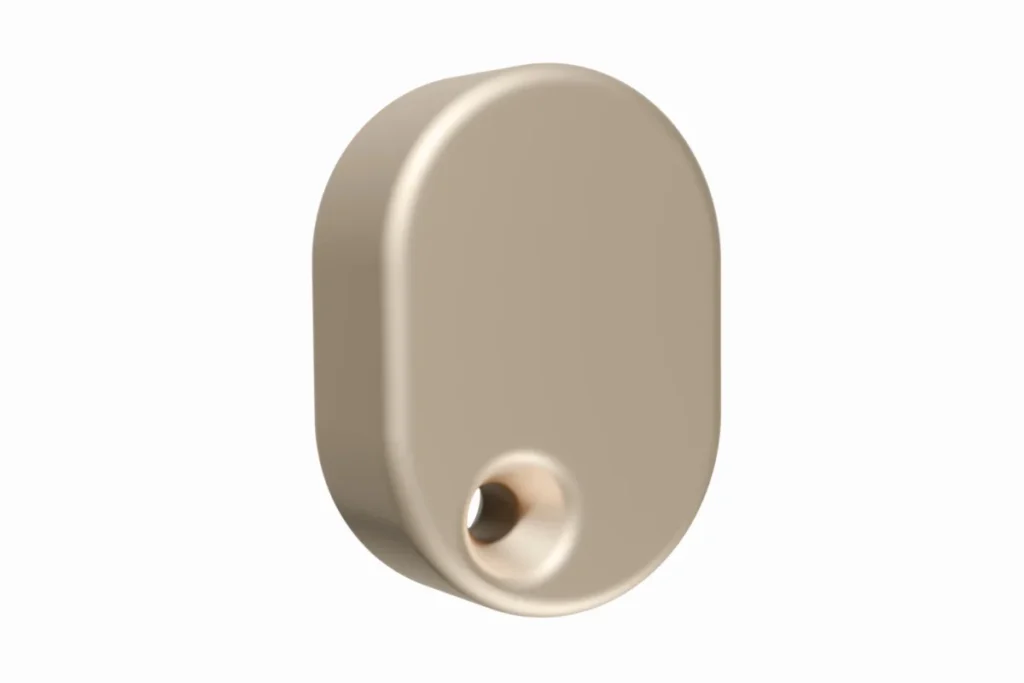
- Form Factor: Stealth smart earring clip to be worn on standard earring post.
- Sensor Stack: Continuous, sub-millidegree temperature sensors in the rear ear region.
- Biomarker Target: Thermoregulation associated with estrogen, progesterone and luteinizing hormone (LH).
- Validation Baseline: Peer-reviewed pilot paper presented at IEEE EMBC in July 2026
- Commercial Status: Research participant wait list, product launch pending
One of the biggest blind spots in consumer health wearable technology is the ability to measure hormones non-invasively. Millions of women currently use temperature sensing technology embedded in smart rings or wrist-wear products in order to monitor their menstrual cycles. However, these technologies depend upon skin temperature measurements that can be easily skewed by room drafts in the bedroom, arm movement away from the covers or simply having cold hands and extremities. Phira avoids this by targeting the posterior part of the earlobe. The sensor is designed to clip to an ordinary earring post, thus placing the thermal technology right into the posterior auricular region, which is a spot where thin skin and stable blood flow from the carotid artery branch deliver cleaner body temperature signals.
The technology behind the scenes is not concerned with measuring circulating hormones in the blood and it is essential to make sure of this. On the contrary, the company uses constant thermoregulation modeling. In the female body that works normally, there are several mechanisms that regulate the basal temperature, depending on the hormonal processes: when there is an estrogen peak, there will be a little cooling effect before ovulation and after ovulation, there is a rise in temperature due to the progesterone peak. Using the thermal telemetry data collected constantly, the algorithm can recognize small fluctuations in temperature related to the estrogen peak, LH peak and progesterone plateau. In the guide to smart jewelry, we talk about how great it feels to wear the smart earrings rather than big wristbands.
The scientific validity of the device received a major boost in July 2026 when the company introduced a peer-reviewed study at the IEEE Engineering in Medicine and Biology Conference (EMBC). This preliminary study tracked 31 full menstrual cycles among 12 subjects using free-living settings and was able to correlate the temperature changes recorded in the earrings with daily urine hormone tests and ovulation criteria used in clinics. The company has recently begun recruiting volunteers for a larger clinical study to validate the models. You will not be able to purchase one of these earrings from a retail store right now, but Phira shows that proper design of intelligent sensors can make thermal sensing meaningful for reproductive health and longevity.
DUSQ Wants to Do More Than Track Your Sleep
© Dusq
Primary Product Details
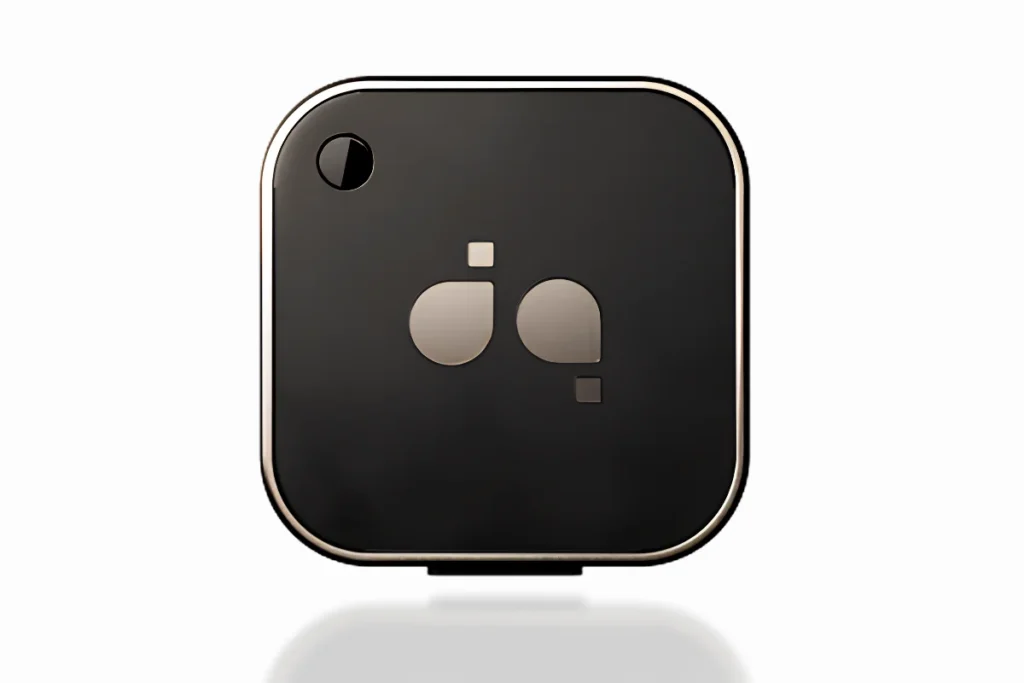
- Form Factor: Wearable device in an adhesive behind-the-ear form placed on the mastoid process
- Sensing Stack: High-sensitivity EDA, pulse measurement and motion sensing
- Therapeutic Mechanism: Closed-loop, non-invasive micro-stimulation of transcutaneous vagus and vestibular nerves
- Claimed Efficacy: Up to 31% increase in deep sleep, 38% improvement in HRV and less night waking (according to manufacturer)
- Commercial Status & Price: Priority reservation at $20, launching with $320-$350 price tiers (projected ship date: September-October 2026
If you have worn fitness trackers, then you are familiar with the morning ritual where you feel like you have not had a good night’s rest, you open your app and there you see a number that proves it. While reviewing the top sleep trackers of 2026, one sees that there has been progress in optical PPG technology, but still, nearly all consumer devices are passive in nature. DUSQ is designed to break the paradigm by shifting from passive monitoring to active overnight intervention. DUSQ monitors the changes in your autonomic nervous system through EDA sensors worn behind your ear.
This technique is based on the scientific principle of the sympathetic nervous system. In response to stress, sudden digestive activity or sleep disruption, micro-arousals in the middle of the night cause micro-secretions of ionic fluid by the sweat glands, resulting in changes in the skin conductance level (EDA). Traditional wearable devices only register such physiological changes a minute later due to the spike in heart rate, DUSQ registers it right away. Once the system recognizes an autonomic surge making you feel awake, low frequency transcutaneous electrical stimulation is applied to the vestibular and auricular branches of the vagus nerve. This stimulation encourages parasympathetic tone, calming the central nervous system to guide your brain back into restorative slow-wave sleep before you wake up.
According to DUSQ, their initial clinical trials showed a 31% increase in deep sleep phases and 38% HRV. Nevertheless, the data presented is a result from the manufacturer and should not be trusted blindly until it is verified through independent multicenter academic research. The equipment uses disposable adhesive pads that need to be changed regularly to ensure good skin conductivity. At the moment, DUSQ is accepting reservations where they will ask for a $20 down payment for an early bird price of between $320-$350, with shipping expected in early fall 2026. For an equipment which will defend your sleep instead of evaluating how fatigued you are, DUSQ is the leading pioneer in closed-loop recovery.
STRIV Puts Running Biomechanics Under Your Feet
© Striv
Primary Product Details
Key Product Facts
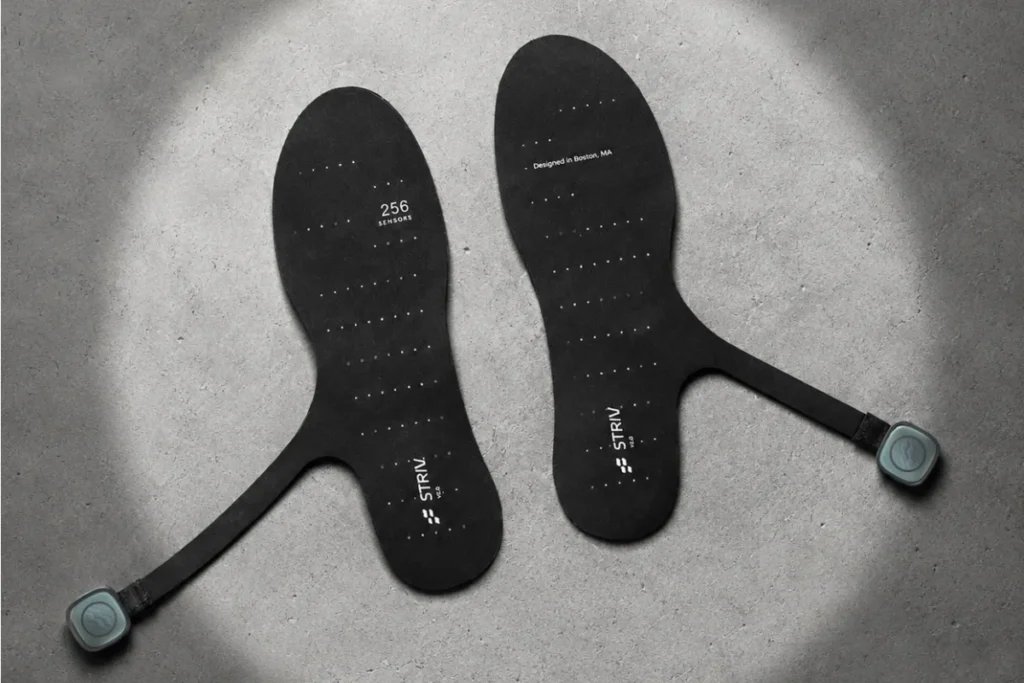
- Form Factor: Ultra-thin smart insoles that slide directly under shoe footbeds.
- Sensing Stack: 256 high-density piezoresistive pressure sensors (128 per insole) paired with dual 6-axis IMUs
- Measured Biomechanics: Impact force, foot strike angle, pronation velocity, contact time, flight ratio, asymmetrical loading
- Validation Standard: Benchmarked against Bertec laboratory force-plate treadmills, according to STRIV
- Commercial Status & Price: Founding Member preorder for $399 ($49 reservation deposit), shipping targeted for late September 2026
As a runner who has put many miles behind my feet wearing various Garmin watches, I know about the drawbacks of wrist-bound running data measurements. A sports watch worn on the wrist is capable of calculating your cadence or vertical oscillation thanks to an accelerometer. However, this watch cannot measure how your foot makes contact with the ground. STRIV solves this problem with the help of 256 pressure sensors total, 128 per foot. Together with small 6-axis IMUs, such smart insoles provide comprehensive data about foot pressure.
The information gathered by STRIV is much more extensive than just GPS pace and distance information. This device collects consistent ground reaction forces, exact foot striking (forefoot, midfoot or heel), pronation stability and ground contact time balance at a millisecond level. Should there be 12% more impact force on your left leg than your right over the course of a 10-mile run, the STRIV will pick up on this asymmetrical biomechanical pattern through an audio feedback delivered through your headphones before this leads to any kind of injury such as shin splints or plantar fasciitis. The company says that the pressure sensitivity is just as accurate as the one provided by Bertec force-plate treadmills used in biomechanics laboratories.
Importantly, STRIV is not designed to be a replacement for your Garmin or Coros watch but works in alongside your preferred tracking system in order to provide valuable biomechanical information. The insoles have a lifespan of around 500 miles of vigorous road impact usage before needing to be replaced, which is in line with the life expectancy of high-end running shoes. It costs $399 (fully refundable deposit of $49), making it quite expensive. However, for marathon runners, sprinters and physical therapists looking to analyze their gait objectively without spending time in the lab, STRIV offers unprecedented sports diagnostics capabilities.
What These Four Wearables Tell Us About the Future
Looking at the bigger picture of wearable technology advancements that took place during CES, MWC and industry trade shows, one can see a clear trend forming: the market of wearable technology is getting diversified and segmented into niche hardware applications. The times when it was taken for granted that a smartwatch would be the perfect device for all healthcare purposes have gone. What we see now is hardware development driven by physiological needs:
Analyzing this transition reveals the following distinct structural trends:
- Wearables Are Moving Away from Their Wrist Origin: The move towards the head, inner ear and underfoot gives designers the freedom to locate biosensors closer to the signals’ sources.
- Sensors Are Evolving into Highly Specialized Instruments: Modern wearable technology of 2026 is using not just a common purpose optical pulse detector but also multiple channels of micro-volt EEG, sub-millidegree thermistors, constant electrodermal sweat monitors and high-density piezoresistive arrays.
- Moving from Passive Monitoring to Real-Time Intervening: The standard strategy has been Sense and Report all along. Device DUSQ represents the shift towards Sense and Intervene when a gadget uses biofeedback and influences the nervous system to alleviate physiological stress.
- Wearables Are Disappearing into Regular Objects: Instead of wearing an additional screen on their wrist, users have to embed modern sensors in shoe footbeds, clip behind regular jewelry or behind one’s hairline.
Which of These New Wearables Is Most Interesting?
Since these four devices address totally different problems, it would be inaccurate to designate an “overall best” device. Rather, the optimal choice is based entirely on what particular physiological problem needs to be solved:
| Device | Best Suited For | Key Differentiating Factor |
|---|---|---|
| ATLAS 1.0 | Cognitive workers, knowledge professionals and biohackers | Continuous, motion-tolerant everyday EEG tracking |
| Phira | Women seeking natural cycle awareness, family planning and longevity | Non-invasive earring-back thermometry mapping hormonal trends |
| DUSQ | Chronic poor sleepers struggling with frequent nighttime awakenings | Real-time nervous system tracking paired with active vagal nerve modulation |
| STRIV | Competitive runners, gait clinicians and injury-prone athletes | Dynamic underfoot pressure mapping and balance analysis |
What to Know Before Buying or Preordering These Wearables
When considering investing in or buying any of these upcoming wearables, there are some important considerations you need to be aware of:
- Product Maturity Level: All of these products are not currently available on the shelf. Even though DUSQ and STRIV have scheduled their first reserved units for shipment by the end of 2026, ATLAS is planning deliveries in 2027 and Phira is still undergoing clinical testing. Preorders can be subject to delays with hardware production, adjustments to tools and even iterations in software that go beyond initial release dates.
- Cost of Ownership: Examine the subscription models and other ongoing costs carefully. Take the example of ATLAS Pioneer Edition which requires an ongoing monthly cost of $29.99 software subscription fee to access the basic neural analytics, whereas DUSQ uses subscription-based adhesive patches to provide clean skin contact with the mastoid bone. The STRIV system does not require an ongoing subscription to access its fundamental biomechanical metrics.
- Manufacturers Claims vs Independent Clinical Proof: Wearable devices carry amazing claims of increased deep sleep, reduced stress levels and advanced biomechanical metrics. Always differentiate between internal lab claims and independent clinical proof.
- Wellness vs. Medical Device Clearances: In fact, none of the devices mentioned above is meant to be used instead of professional medical equipment or as a single diagnostic device. Without the official approval of FDA or another regulatory agency as a medical device used for particular treatments, the product should be considered a wellness device.
Final Verdict
If you ask me which product breaks the most technical ground, I’d say ATLAS. The reason is simple: it is trying to bring EEG and brain-related sensing into an everyday wearable, something we rarely see outside research or controlled environments.
That is what makes ATLAS stand out to me. It is not just adding another health sensor to a familiar device, it is exploring a completely different type of data. And if this technology works as intended, it could open an exciting new chapter for wearable technology.
FAQs
Decode the Decor
The Smart Jewelry Revolution
A practical guide to wearable tech's future — delivered straight to your inbox.
Author
