

Stepping outside during peak summer feels brutal. You leave an air-conditioned room and within minutes, your shirt starts sticking to your back. That discomfort is exactly why gadgets like the Sony wearable AC are getting so much attention, especially when it’s boiling outside.
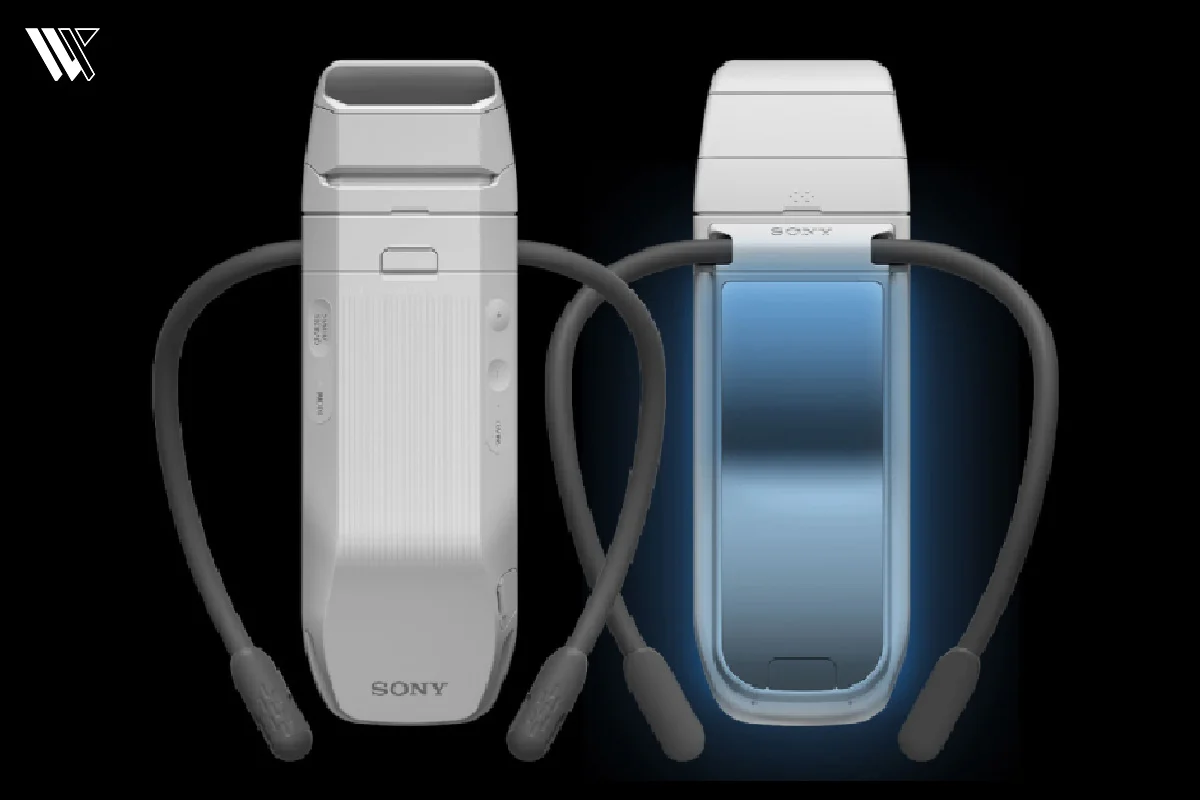
At first glance, the idea sounds strange. A tiny wearable device that cools your body like an air conditioner. But Sony’s wearable cooling gadget, called the Sony Reon Pocket, is designed to do exactly that. Instead of cooling an entire room, it focuses on cooling the body directly from the neck.
The big question is simple: Does the Sony wearable AC actually work in real life or is it just another expensive tech gimmick? Let’s break everything down to clear this question.
What Is Sony’s Wearable AC?
To understand this device, we have to clear up a common misunderstanding: a Sony wearable AC is not a miniature version of the air conditioner fixed to your living room wall. It does not cool down the air around your body or blast ice-cold wind at your face. Instead, it is a compact, smart, battery-powered body cooling device designed to sit directly against your skin.
Decode the Decor
The Smart Jewelry Revolution — a practical guide to wearable tech.
The series is built around the flagship Sony REON POCKET PRO Plus alongside the compact Sony REON POCKET 6. Instead of using traditional chemical refrigerants or heavy compressors, these devices rely on an advanced thermal process called thermoelectric cooling to absorb heat directly from your body and lower your skin temperature.
How the Sony Reon Pocket Actually Works

To understand how this Sony wearable AC functions, you have to look at the tech inside it. The core mechanism relies on thermoelectric cooling, which uses a specialized electronic component called a Peltier module.
When an electrical current flows through the Peltier element inside the Sony Reon Pocket, it creates a powerful temperature differential. One side of the module becomes ice-cold, while the opposite side becomes hot.
The exact way in which this occurs can be described as follows:
- Skin Contact: The cold side of the module is paired with a smooth stainless steel plate that presses directly against the skin at the base of your neck.
- The Cooling Spot: Sony targets the upper back and neck because this area contains highly sensitive thermal receptors. Cooling this specific zone sends immediate signals to your brain that help your entire body feel more comfortable.
- Heat Dissipation: While the front plate cools your skin, the backside of the device gets warm. A tiny, built-in fan draws air through the unit to pull that heat away, exhausting it out through small vents at the top of your shirt.
The process is simple, quiet and runs completely solid-state, meaning there are no chemical refrigerants or heavy compressors hidden inside the frame.
Battery Life and Cooling Performance

Battery life and day-to-day cooling performance are usually the biggest points of concern for anyone looking to purchase a new personal cooling gadget. The REON POCKET PRO Plus and the REON POCKET 6 are both designed with high-efficiency thermal architectures to maximize runtimes.
Sony includes a separate, small wearable sensor tag (the REON POCKET TAG 2 with the PRO Plus model) that clips onto your clothing or backpack. This tag measures the ambient temperature and humidity around you, communicating via Bluetooth to let the main unit know exactly how hard it needs to work.
When you use the automated SMART COOL mode, which dynamically adjusts the temperature based on your movement and environmental conditions, you can expect roughly 15 hours of continuous operation.
If you prefer manual then performance varies widely depending on your intensity settings. The Pro Plus manages 5.5 hours of cooling on its highest setting. However, turning the intensity down all the way allows it to run for a maximum of 34 hours.
Does Sony’s Wearable AC Actually Work in Hot Weather?
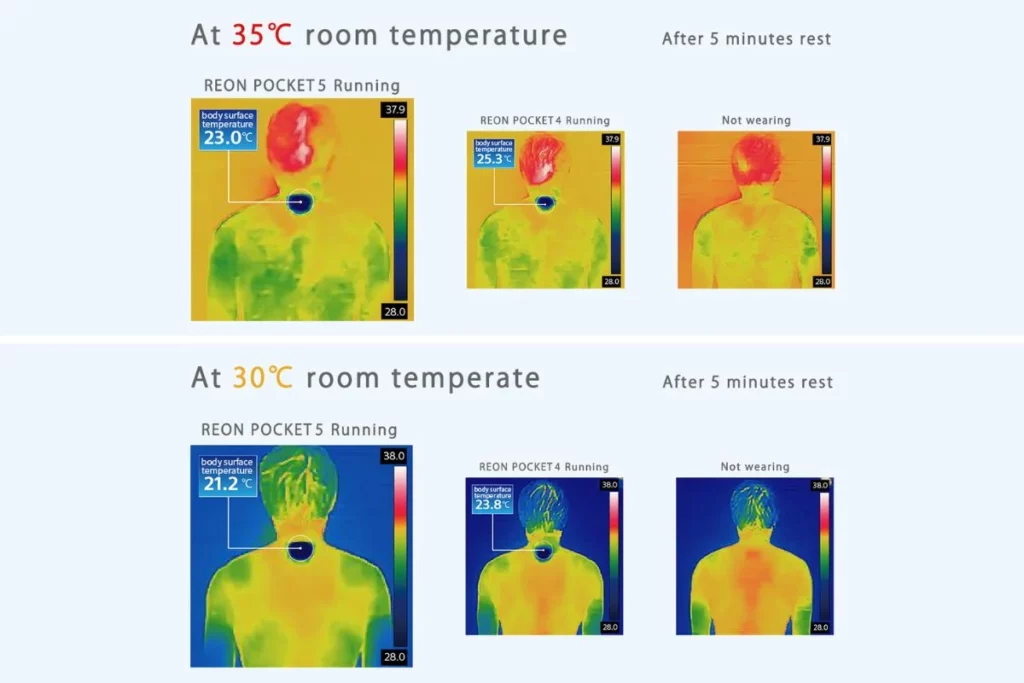
The big question remains: does a Sony wearable AC actually deliver on its promises when the weather gets tough? The simple answer is yes, but its success depends heavily on the environment.
The Sony Reon Pocket is incredibly effective for specific daily routines, such as:
- Shifting between hot outdoor environments and air-conditioned buildings.
- Walking through crowded subway stations.
- Commuting during warm morning rush hours.
Because the cold plate maintains direct contact with your skin, it provides immediate physical relief that helps stop sweat from breaking out on your neck and back.
However, you have to keep real-world limitations in mind. If you are standing out in direct sunlight during a massive heatwave, environmental heat will hit your body from all sides. A small thermoelectric plate on your neck cannot fully counteract high ambient heat. The device will absolutely keep the back of your neck ice-cold, but it will not stop the rest of your body from feeling the heavy external humidity if you stay outside for hours.
Sony Reon Pocket vs Traditional Neck Fans: What’s the Difference?
Many people shopping for a Sony wearable AC wonder if they should just buy a cheap, battery-powered neck fan instead. While both items are designed to keep you comfortable on the go, they use completely different methods to do it.
| Feature | Sony REON POCKETS | Traditional Neck Fan |
|---|---|---|
| Cooling Method | Direct thermoelectric skin cooling and heating | Evaporative air movement |
| Noise Level | Extremely quiet (fluid dynamic bearings) | Noticeable, high-pitched fan whirring near ears |
| Comfort | Hidden under clothes, sleek and lightweight | Bulky plastic collar that rests openly on shoulders |
| Battery Life | 4 to 15 hours depending on smart settings | 2 to 8 hours depending on fan speed |
A standard neck fan simply blows surrounding air up toward your face. If the ambient air is 95°F, the fan just moves that hot air around your skin. The Sony wearable AC, on the other hand, actively lowers the temperature of the physical plate resting against your body, providing a deep chill regardless of how stagnant or warm the surrounding air is.
Smart Features and App Experience

What sets the Sony wearable AC apart from generic cooling options is its advanced companion software, known simply as the REON POCKET app. The device connects to your smartphone via Bluetooth, allowing users to fully customize their personal cooling experience through the dedicated app, which supports iOS 16 or later, Android 9.0 or newer with Bluetooth 5.0 Low Energy, as well as select Apple Watch models for quick and convenient controls.
The standout feature of this ecosystem is the automated adjustment mode. When you pair the Sony Reon Pocket with the small, clip-on Reon Pocket Tag, the system gains access to a network of environmental sensors. These sensors actively monitor ambient temperature, humidity and direct sunlight. If you step out of a cool office building and onto a hot street, the app notices the sudden temperature spike and automatically bumps up the cooling level. When you step back indoors, it lowers the intensity to save battery.
Beyond basic automatic adjustments, the REON POCKET app includes several other advanced smart features:
- SMART COOL-WARM Mode: This mode allows the Sony wearable AC to detect both the temperature inside your clothing and the surrounding environment. It automatically switches between cooling and warming profiles on the fly. This is incredibly useful for unpredictable spring or autumn days with massive temperature swings between morning and afternoon.
- Wave Mode: If you prefer manual settings but do not want a static temperature pressing against your neck all day, Wave Mode gently cycles the intensity up and down. This prevents your skin from becoming numb to the cold plate, making the cooling sensation feel continuously fresh.
- My Comfort Personalization: Inside the application, you can set your exact target temperature ranges. Instead of relying on generic presets, you dictate precisely how cold or warm you want the plate to get based on your personal heat tolerance.
- Motion-Sensing Adjustments: The hardware features a built-in acceleration sensor that tracks your physical activity. If you transition from sitting at a desk to walking briskly down the street, the app calculates the physical effort and ramps up performance to prevent you from breaking a sweat.
- Auto Start/Stop & Quick Launch: Sensory detection on the contact plate becomes active the moment the device touches your skin, turning the wearable on instantly without you ever needing to open the phone. The moment you remove the neckband and set it on a table, it powers down. If you want to use the device without your phone nearby entirely, a physical button on the side allows for a Quick Launch using your last saved preferences.
Biggest Limitations of Sony’s Wearable AC
Before investing in this premium technology, it is important to look at its inherent practical limitations:
- Limited Cooling Zone: The physical cooling plate only touches a small area at the base of your neck. It does not stop your legs or forehead from feeling warm, it simply manages your core thermal comfort.
- Strict Clothing Restrictions: The device relies entirely on an unobstructed exhaust vent to push hot air upward and out. If you wear a heavy backpack that crushes the vent or if you wear tight, thick clothing that traps the exhaust air inside your clothing, the unit will quickly overheat and shut down.
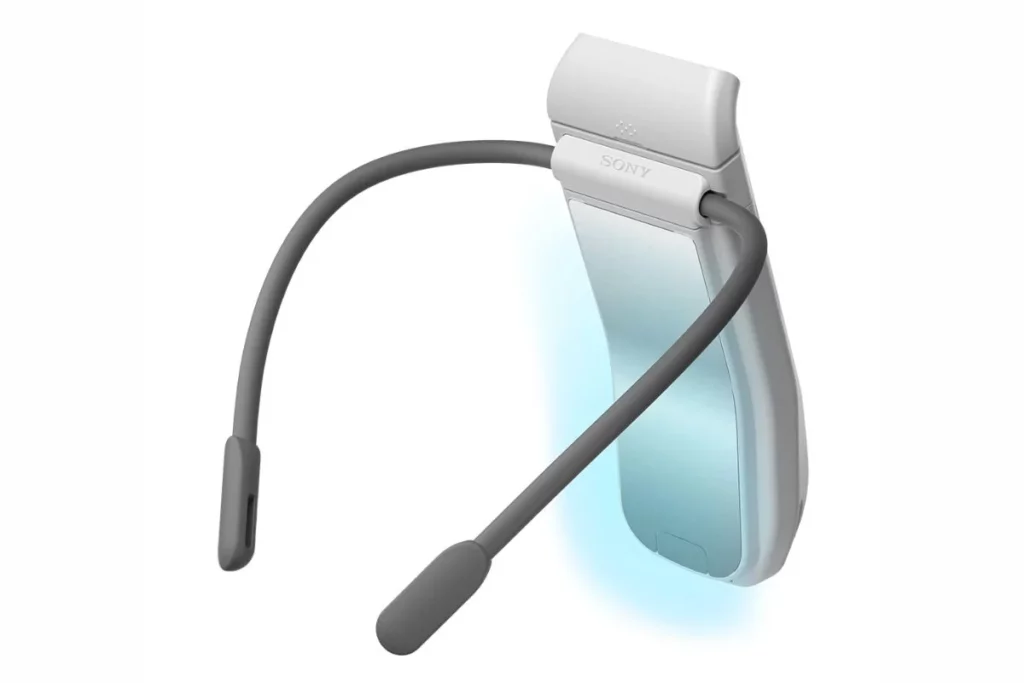
- Not Built for High-Intensity Workouts: While the new Adaptive Hold Design neckband increases holding force by 40% to prevent shifting while walking, the device is not designed for vigorous running, competitive sports or heavy gym workouts.
- Import and Availability Concerns: Sony primarily distributes the Reon Pocket series in specific regions like Japan, the UK, Europe and selective Asian markets. Buyers in North America often have to rely on specialized online import stores, which can complicate warranty claims and drive up retail prices.
Is the Sony Reon Pocket Worth Buying?
The Sony wearable AC is a highly specialized piece of technology and its value depends entirely on your daily routine. Because these units are primarily sold in select Asian and European markets, importing them to other regions can add shipping fees that push the total price past $300 otherwise, they are priced at £199.00 (approx $267.10 USD).
If you struggle with heat during your daily commutes, work in an office with inconsistent climate control or love high-tech gadgets that solve everyday problems, the continuous relief it provides makes it a worthwhile investment. However, if you spend most of your day sitting in a modern, air-conditioned home, you will have very little use for it.
Who Should Buy a Sony Wearable AC?
This Sony Wearable AC is an excellent fit for:
- Daily Commuters: People who walk to work or rely on public transit systems that get stuffy and warm.
- Office Professionals: Individuals who need to wear structured clothing or suits in the summer and want to avoid arriving at meetings covered in sweat.
- Frequent Travelers: Anyone navigating crowded airports, train cars or changing urban climates.
- Hot Climate Residents: People who face consistent urban heat and need relief during quick outdoor errands.
Who Should Avoid It?
You should skip the Sony wearable AC if you plan to use it for:
- Heavy Workouts: High-intensity running or gym sessions generate too much moisture and movement, which can disrupt skin contact and block the air vents.
- Outdoor Laborers: Construction workers or landscapers working under prolonged, direct sunlight will overwhelm the small thermoelectric module.
- Traditionalists: Anyone expecting the deep, full-body cooling performance of a standard wall-mounted room air conditioner.
Wrap Up
The Sony wearable AC sits somewhere between genuinely useful technology and a luxury convenience gadget. I mean we have sweat tracking wearables now, was an AC that clips on to your shirt really that far? The Sony Reon Pocket does work, the cooling effect is real and many users find it surprisingly comfortable during commuting or everyday summer use.
But it also has clear limitations. It cannot replace a real air conditioner, it struggles in extreme heat and its cooling area is fairly small compared to what many buyers expect.
Still, smart wearables are slowly moving toward solving everyday comfort problems in creative ways. Devices like the Sony wearable AC show how personal climate technology may become more common in the future, especially as summers continue getting hotter worldwide. For the right person, the Sony Reon Pocket feels innovative and useful. For others, it may simply feel like an expensive experiment in wearable tech.
FAQs
Decode the Decor
The Smart Jewelry Revolution
A practical guide to wearable tech's future — delivered straight to your inbox.
Author
