

You’re a mile into your run, your playlist has reached the good part and behind you, a delivery bicycle speeds past without warning. Or you’re in the middle of an exercise session at the gym and the sound from those overhead speakers is drowning out your music.
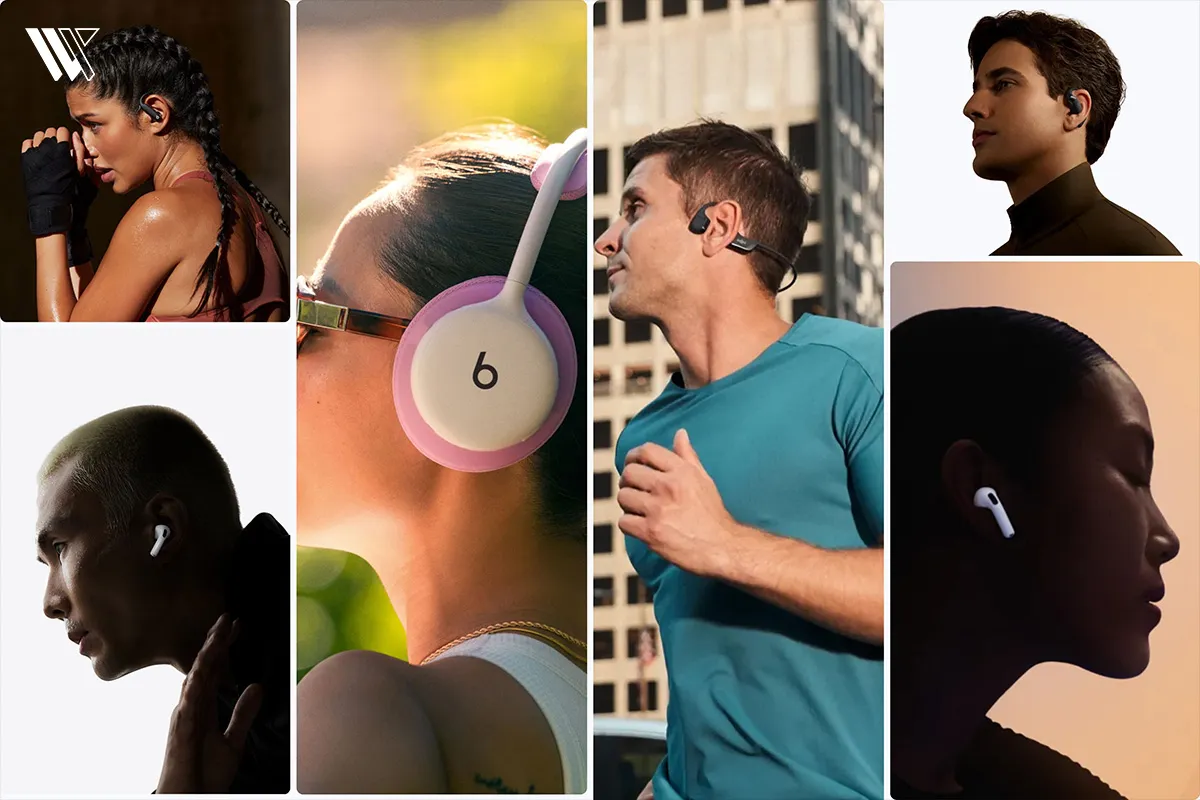
Same workout routine, two different headphone problems.
This is the case with open-ear headphones, bone conduction headphones, earbuds and over-ear headphones. All of these can be used for workouts, but each sacrifices a different thing. Sound, comfort and awareness rarely coexist in a single pair of headphones, so finding the right headphones depends on your actual workout routines.
I’m not crowning a champion, but if you’re putting together your running kit too, this is my take on fitness technology for runners.
Decode the Decor
The Smart Jewelry Revolution — a practical guide to wearable tech.
Open-Ear vs Bone Conduction vs Earbuds vs Over-Ear: What Is the Difference?
Open-ear headphones position themselves just outside your ear, directing their speakers into your ear canal without blocking it. Imagine clip-on and ear-hook headphones. Bone-conduction headphones avoid your eardrum, sending sound waves through your cheekbones. Earbuds are worn in your ear canal and most of them block it. Over-ear headphones envelop your entire ear in a cushioned cup.
What’s important about all that for fitness? You need one thing on the road and its exact opposite in the gym. When you’re outside, you need to turn everything up. In the gym, you need to turn it down. There are lots of people who do both in a single week and that’s why most runners keep two headphones.
Here’s how every type works out in the gym.
The Comparison
| Category | Best For | Main Advantage | Main Limitation |
|---|---|---|---|
| Open-ear | Outdoor runners | Awareness | Less isolation |
| Bone conduction | Safety-focused athletes | Ears remain open | Lower sound quality |
| Earbuds | Gym and mixed workouts | Sound quality | Less awareness |
| Over-ear | Indoor training | Premium audio | Less practical outdoors |
Open-Ear Headphones Explained: Designed for Awareness During Workouts
Open-ear headphones are a recent innovation and they can be found everywhere at the moment. Open-ear headphones are small and worn near your ear and they work by transmitting sound through the air, while your ear canal remains open. Car sounds, bike sounds, dog barking and even your friend shouting “on your left”, are all there. This is huge for road running and outdoor training, which is why companies such as Bose, Shokz and Apple all make a pair.
First you have situational awareness and comfort and then noise isolation. Since there is no seal, there is less bass and almost no noise cancellation. Apple is changing that.
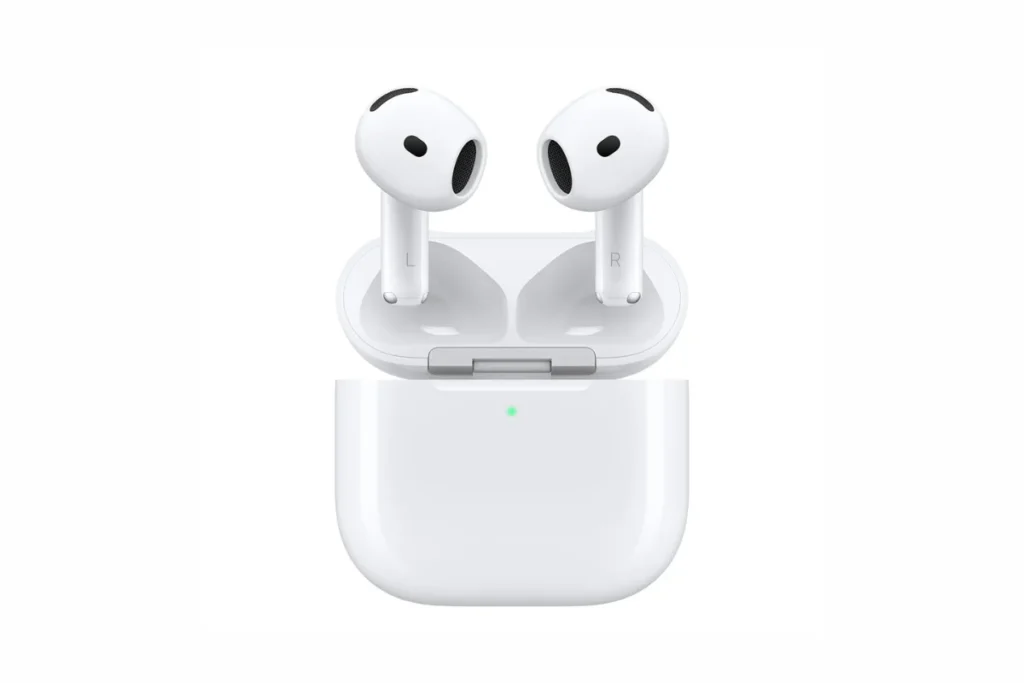
Apple AirPods 5
© Apple
The newest model from Apple that comes out this month is the open-ear type. AirPods 5 is available at $129, including the USB-C case, or $149 if you want the wireless charging case. The major highlight of this model is noise cancellation for an open type of design. Apple claims that its efficiency is 1.5x better than the noise cancellation of the previous AirPods 4 model, but that number comes from Apple and there’s no third-party testing results yet.
The battery capacity is on the lower end for the type of workout headphones. With active noise cancellation on, you can listen for 4 hours with the $129 version or for 5 hours with the $149 version, having approximately 20-22 hours when counting the case.
Their resistance is rated IP57, so the headphones can withstand dust, sweat and water. All options are available through your iPhone settings and you should have an Apple device on the latest software to have the full features list, including Siri AI and Live Translation.
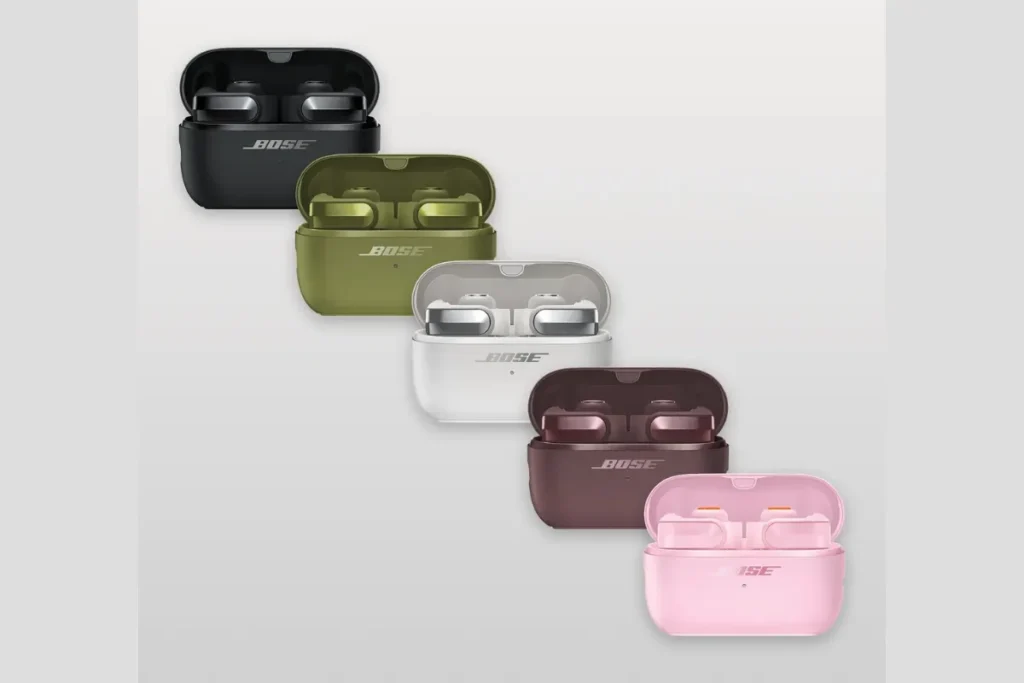
Bose Ultra Open Earbuds (2nd Gen)
© Bose Ultra
Bose remains a company whose name pops up when speaking of open-ear headphones. The company has recently launched its new lineup. The Ultra Open Earbuds (2nd Gen) cost $299 and have been available for purchase since October. The battery life increases up to 9 hours per charge (7.5 for the previous generation) plus 19.5 hours in the case, which now supports wireless charging.
The device still offers only IPX4 water resistance, meaning it tolerates sweat and splashes but won’t survive a downpour. The Bose app includes a three-band equalizer, Auto Volume adjustment when noise outside grows, shortcut settings and dual Bluetooth connection to devices.
Since this is the second generation, the comprehensive review hasn’t arrived yet. For those who find $299 too expensive, there is still the original, which can be purchased on discount for around $199. Also, Bose released the Sport Open Earbuds, which cost $199 and offer IP54 water resistance and 7 hours of battery life per charge.
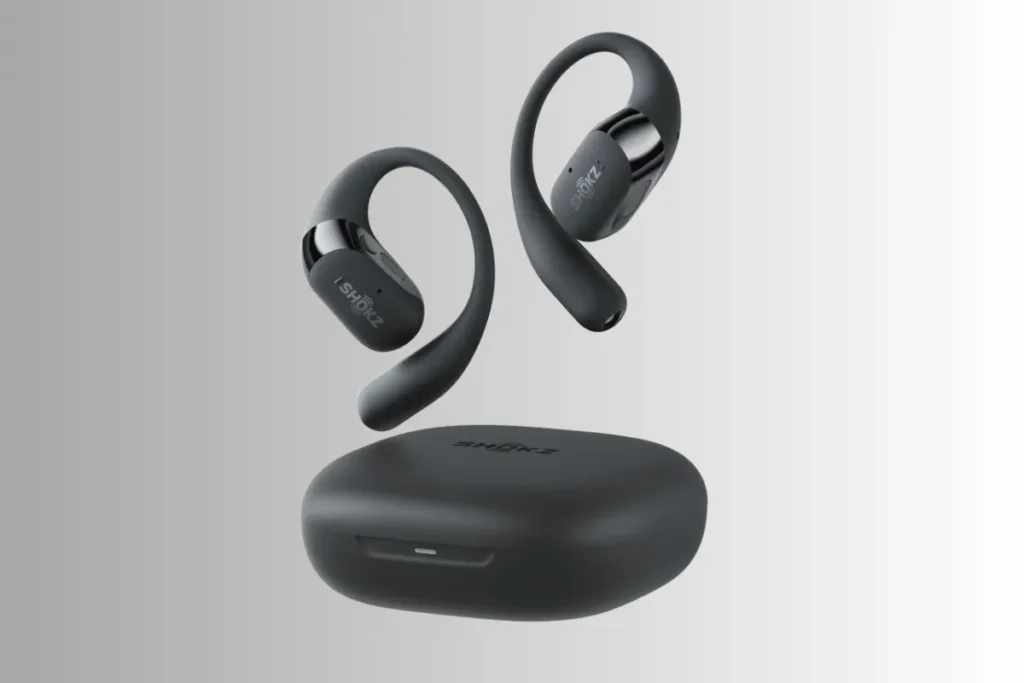
Shokz OpenFit 2+
© Shokz
If $299 is a bit much for you, you might consider the Shokz OpenFit 2+. It costs $199.95, lasts 11 hours on a single charge and up to 48 hours with its case that charges it wirelessly. The IP55 rating is water and sweat proof. It has 9 gram buds that each sit inside your ear with the help of an earhook.
Four preset equalizer modes and customizable ones are available in the Shokz app along with multipoint pairing, Dolby Audio switch and Find My Earbuds mode. Note that turning Dolby on will reduce your battery life by about 2 hours.
Bone Conduction Headphones Explained: The Original Open-Ear Approach
Bone conduction came first. The pads sit against your cheekbones right above the ears, sending vibrations through the bones directly into the inner ear. No insertion into the ear canal means traffic, bikes and people can still be heard clearly. Athletes have been using them for years because of this and because nothing falls out while sweating.
The sound is the problem. Low frequencies are hard to create because of the amount of power it requires to move through the bone and high volumes can produce a buzzing or leakage effect. They were developed for safety and awareness first and foremost. Nobody gets them for high-end audio performance.
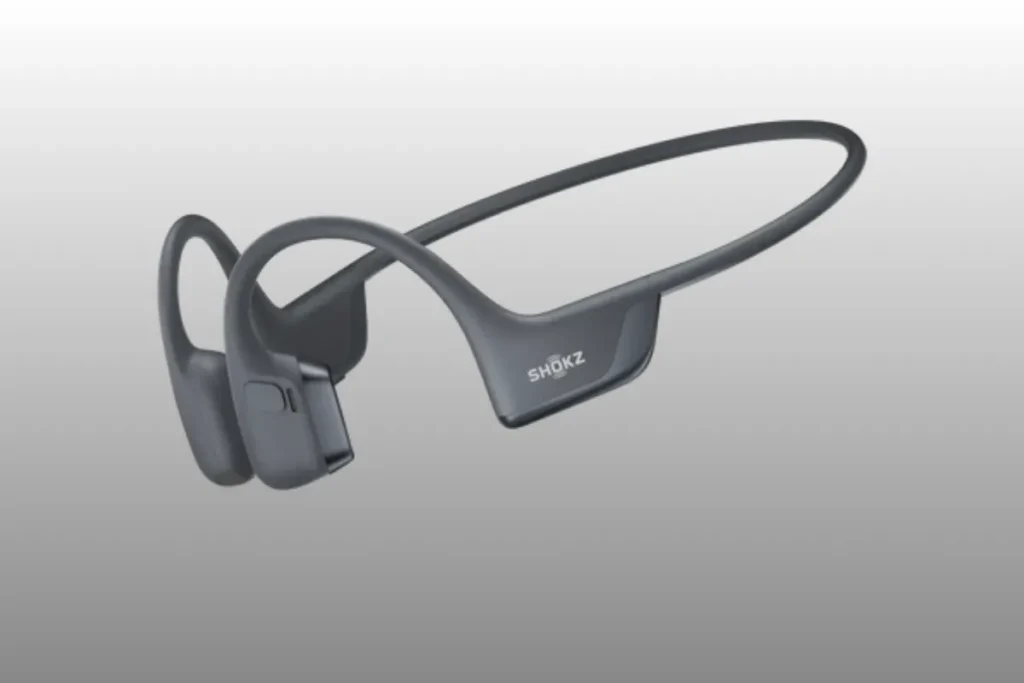
Shokz OpenRun Pro 2
© Shokz
This category is basically owned by Shokz, with the OpenRun Pro 2 being the flagship model with a price tag of $179.95. Shokz states that it offers up to 12 hours of battery life; however, it is more like 10 hours when playing at full volume. A quick charging time of five minutes can give you 1.5 hours of battery life. Its rating is IP55 and it weighs 29 grams on a wrap-around band.
New here is DualPitch technology, which consists of the addition of an air-conduction speaker for bass on top of the bone conduction speakers. This is the reason why reviewers keep saying that it is the best-sounding bone conduction headphones ever made.
Wireless Earbuds for Fitness: Better Sound, More Isolation
It’s all about the earbuds for a reason. The fit seals in sound and delivers more bass, better resolution and noise cancellation for an immersive experience even when you’re working out at the gym. The design is small and the earbuds will charge in a case inside your bag.
The problem is usually about the fit. Some earbuds might come off your ears as soon as you start running and sports models have ear hooks or ear wings to solve that issue. Remember to pay attention to the IP rating because there are many high-end earbuds that are IPX4 and don’t cope with heavy rain, while handling sweat just fine.
Also, a sealed fit protects from noise on the street when running outdoors. There is transparency mode that works through microphones and software.
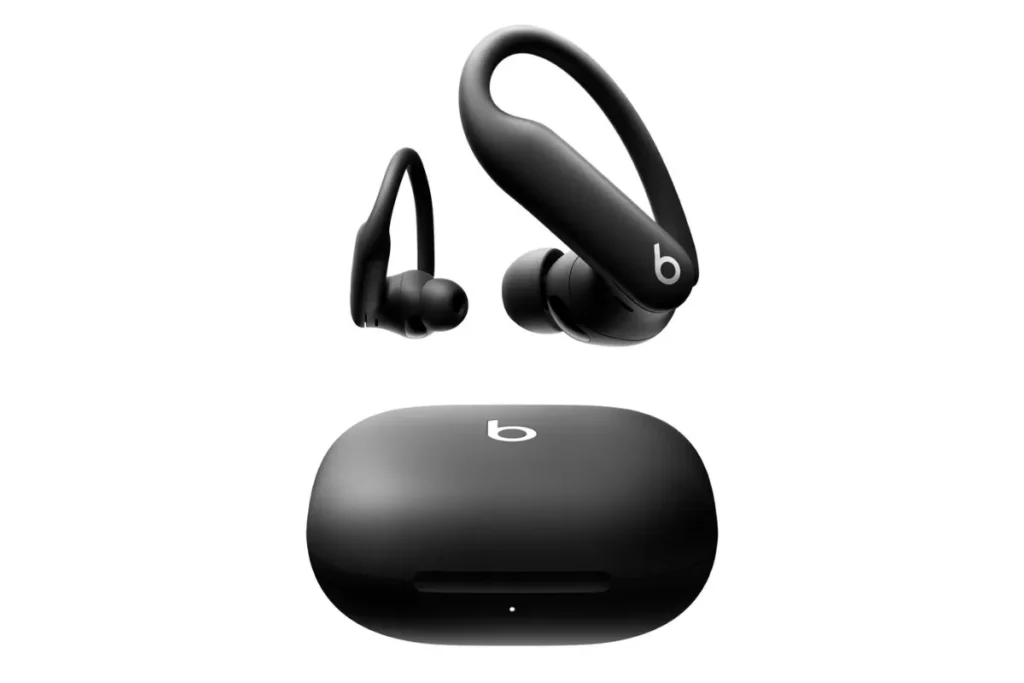
Beats Powerbeats Pro 2
© beats
It seems that Powerbeats Pro 2 always end up being the best workout earbuds in the USA top ten charts, and this is thanks to the ear hooks. These cost $249.99. Beats estimate battery life is up to 10 hours from one charge and up to 45 hours from the case charging wirelessly.
These headphones have an IPX4 rating so they can get wet from sweat, but not from rain. It comes with a heart rate monitor. On an iPhone, heart rate info will be transferred to the Health app, whereas, on Android, the user needs to launch the feature from the Beats app and pair it with another fitness app.
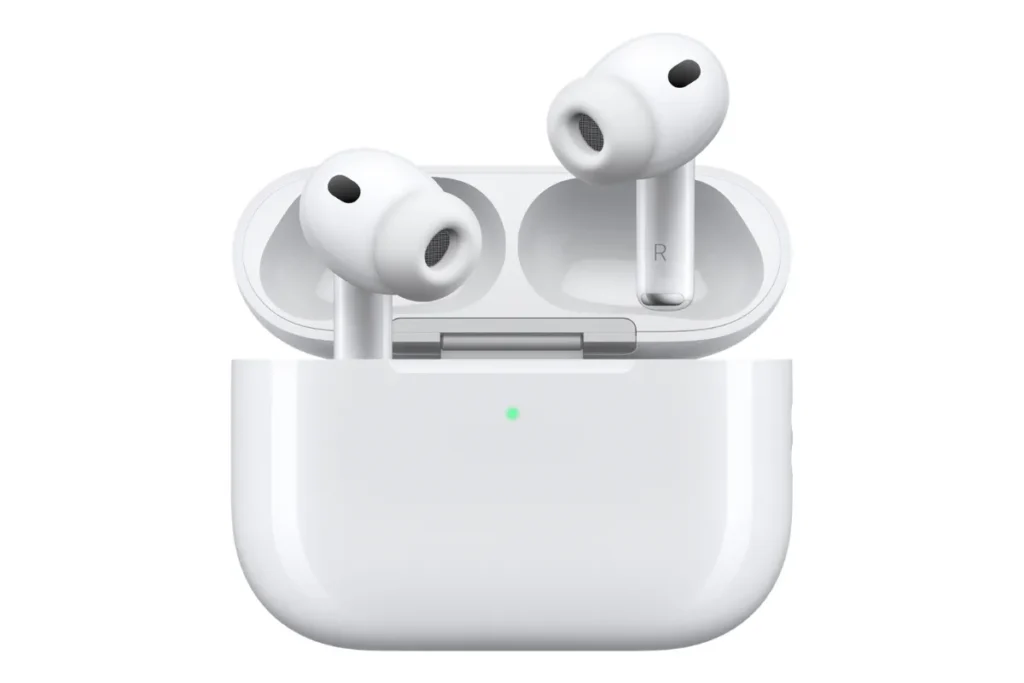
Apple AirPods Pro 3
© Apple
The AirPods Pro 3 cost $249, like the previous iteration. They provide up to 8 hours of listening time with ANC on, 6.5 hours with heart rate monitoring enabled and 24 hours while charging through the case. IP57 certification applies to both buds and the case and there are foam ear tips for better sealing.
In a real-world test, we received just about 5.5 hours from AirPods Pro 3, so you should not rely on that estimate for long runs. The heart rate information appears in Fitness and Health on your iPhone without the need for an Apple Watch in a straightforward run.
Over-Ear Headphones for Exercise: Comfort vs Practicality
Over-ear headphones sound fantastic and that’s all that matters. Large drivers, big cushions and an isolation effect from your environment that keeps the noisy gym at bay. There’s also nothing going into your ear canal, so no ear fatigue to speak of.
They’re also heavy, heat up easily and tend to move around when you’re constantly moving. Perfect for lifting weights, training on the machines, or using a spin bike or treadmill. Not so much for sprinting intervals or running in summer. Regular over-ear headphones have no sweat resistance rating whatsoever, so make sure you check that before hitting the gym with a $400 set of headphones.
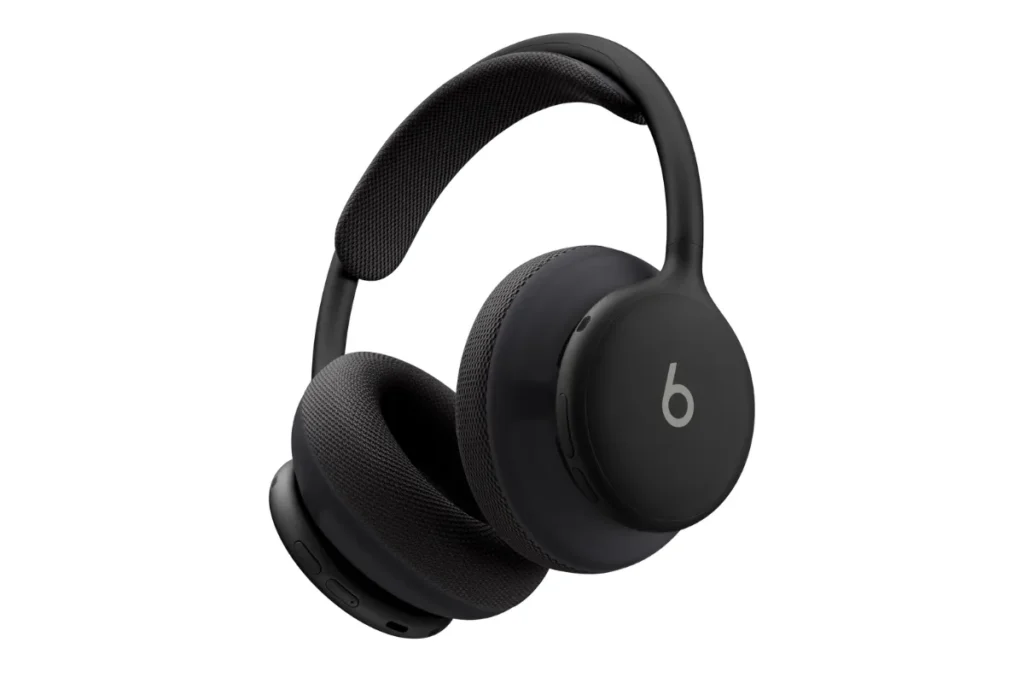
Beats 360
© beats
This is the version made for the gym. The Beats 360 cost $349.99 and according to Beats, up to 32 hours on ANC. These are the first over-ear Beats that have IP rating (IPX4) with washable and interchangeable cushions of knit and UltraPlush type with a replaceable battery.
Additional cushion kits will cost you $49.99. The weight of the headphones is about 295 grams and they have physical buttons that are useful when your hands are sweaty. On the iPhone, you’ll get one-touch pairing, Find My and Siri. For Android, you’ll have Fast Pair, Find Hub and settings via the Beats app.
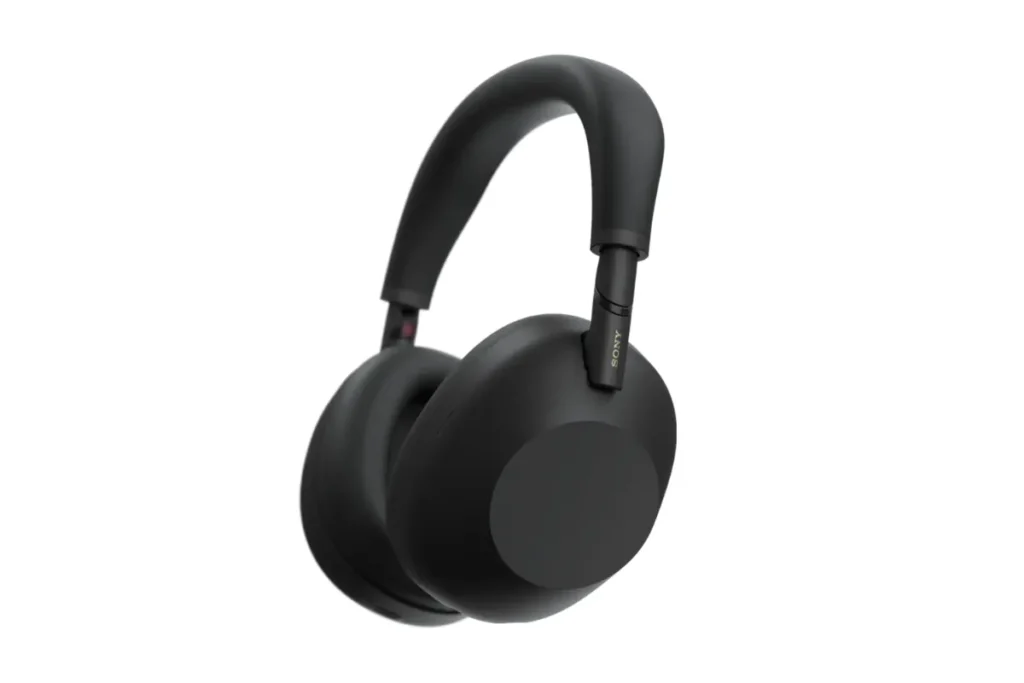
Sony WH-1000XM6
© Sony
If noise cancellation is more important to you than sweat resistance, this will be your go-to choice. It was initially released at $449.99 and dropped to around $398, so take a look at the price now. The battery life has been increased to 30 hours with noise cancellation and the headphones themselves weigh 254 grams.
There’s no waterproofing information available, so I would recommend you to use them as lifting/fitness headphones only. The Sony Sound Connect application has 10-band EQ, ambient sound and multi-point, while you don’t need it to use the headphones.
Sound Quality Comparison: Which Fitness Headphones Sound Best?
Sealed enclosures just work better. Sealing keeps the bass inside while blocking outside noise, making earbuds and over-ears superior when it comes to bass, details and immersion in music. The best options would be over-ears with big drivers, with decent sealed earbuds following close.
Next come open-ear headphones. They are fuller than bone conduction but do not get as close to regular headphones without the sub-bass. Bone-conducting headphones lag behind in pure audio quality but the hybrids such as DualPitch are catching up. Noise isolation is another important factor here. Over-ear and active noise cancellation earbuds block the world out, while open-ear headphones cannot.
For those who listen to podcasts and audiobooks most of the time, there will be no difference between these technologies. Voices do not require any bass at all.
Comfort and Fit During Running and Workouts
Fit determines whether you will wear them. No matter how cool they may sound, if they fall off at mile two, they end up on the shelf.
Bone conduction bands and ear-hook open-ears have the best fit while running since they are secured around your head or ear. Clip-ons are lightweight and secure as well, although they may be uncomfortable in some ears. Sealed earbuds go from extremely secure with ear hooks to iffy without them, depending on your ear and ear tip combination. Over-ears work great when standing still and move with jumps; besides, cushions become hot and sweaty.
This is where the design of earphones differs. Earbuds may become very snug in your ear canal after prolonged wearing. Open-ear and bone conduction leave your ear canal untouched, however, bone conduction bands may press against your temples and compete with your glasses for the same spot. If you jog in sunglasses, test the headphones with them on.
Safety and Awareness: Why Open Designs Matter Outdoors
That’s precisely why open-ear and bone conduction technologies were developed. Your ear canals are open and you hear the approaching car, the cyclist ringing the bell and the runner preparing to pass you by. You hear these things just like you would hear them without any headphones at all.
In-ear earbuds with transparency mode will help you to get halfway there. The very last thing you need in terms of noise cancellation on a busy road is what you’ll get from your earbuds. Isolation doesn’t work well on shared paths, bike lanes, intersections and crosswalks.
However, having your ears wide open does not mean that you’re safe from anything. By increasing the volume in order to overcome the noise created by wind and cars you’re taking away the benefit you’ve paid for. So be moderate with the sound level in your ears, as well as your surroundings.
Also, losing yourself in an exciting murder mystery podcast can distract you from the road. In some races, using headphones is prohibited, and there may be different rules regarding their use during cycling.
Battery Life and Durability Compared
The fine print lies here. Buds and open-ear buds have 4 to 11 hours on a single charge before plugging into the case. The bone conduction band gives you 10 to 12 hours. The over-ears last up to 30 hours. Training 4 or 5 times a week for an hour means anything over 8 hours will get you through a week. Marathons are different; therefore, make sure that the battery duration refers to the earbuds or to the whole package. Active noise cancellation, spatial audio, and heart rate sensors shorten the time of the battery; hence, you are interested in the lowest figure in the fine print.
Finally, the IP rating is something else you should consider. The first number is dust resistance, while the second is water resistance. An X shows no dust rating. IPX4 can resist water splashes and sweat. IP55 comes with dust resistance and can handle water jets, meaning it is suitable for most types of rain. IP57 earbuds survive temporary submersion, but it is not a swimming rating, even though AirPods 5 with IP57 ratings are not designed for swimming. If you do swimming, you need a pair with onboard storage and IP68 ratings.
Which Fitness Headphone Type Should You Choose?
Use open-ear headphones if you exercise outside, need all-day comfort and still want good sound quality. It is the right choice for most runners running on the road who need awareness and music quality.
Use bone conduction headphones if safety and comfort are your priorities. Cyclists, trail and ultra marathoners and people who cannot tolerate anything in their ears will benefit from them the most, as long as you don’t mind having less bass. You can read more on our bone conduction headphones guide.
Use earbuds if you want to combine audio quality and portability. They fit all workouts including days at the gym, treadmill runs and varied types of training. Most workout earbuds nowadays are also heart rate monitors.
Use over-ear headphones if you prefer to work out indoors. Weightlifting, training equipment, a spinning bike– these are the right choices for such headphones. Check the sweat rating and be prepared to remove them while sprinting.
Decode the Decor
The Smart Jewelry Revolution
A practical guide to wearable tech's future — delivered straight to your inbox.
Author
