

Smart glasses are no longer limited to expensive models. Rollme is bringing AI-powered camera glasses into the $100 range with the Rollme AuraView and Rollme ProView, both priced at $99.99.
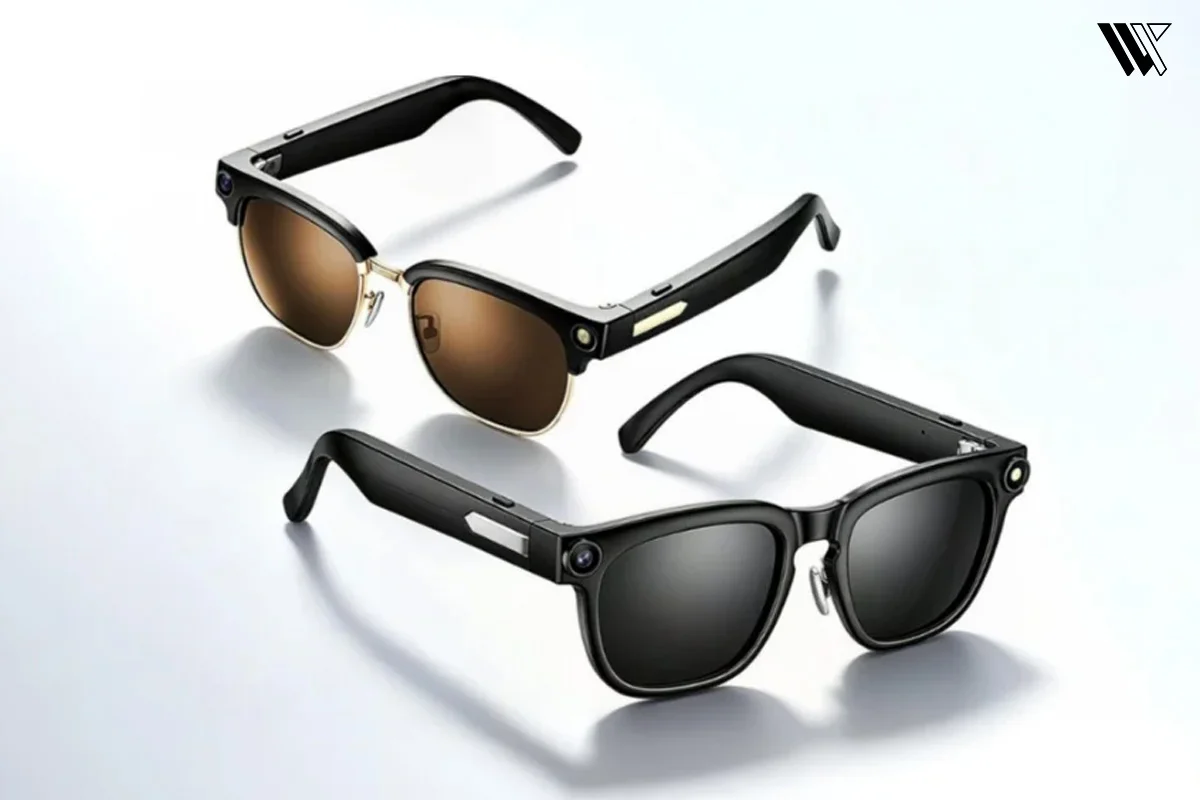
Both models combine a camera, AI features, live translation and open-ear audio in a familiar glasses design. For this price range, Rollme is packing a lot into these glasses. The AuraView and ProView are built to do more than just take photos, with AI and translation features also part of the package.
Let’s take a closer look at what the Rollme AuraView and Rollme ProView offer and how the two models differ from each other.
What Exactly Did Rollme Launch?
The newly launched Series of Rollme includes two new smart glasses that have no screen: Rollme AuraView and Rollme ProView smart glasses.
Decode the Decor
The Smart Jewelry Revolution — a practical guide to wearable tech.
These smart glasses don’t have anything like the augmented reality headsets or display glasses which project digital holographic images or text on the lens. Instead, they act as audio and camera smart glasses, designed for:
- Point of view (POV) photography and videography
- Voice-operated AI assistant
- Landmark, object and text recognition
- Live translation
- Phone calls and music without needing to hold your phone.
Both pairs connect directly to your smartphone to manage media synchronization and some AI-related functions.
Rollme AuraView vs ProView: What’s the Difference?
© Rollme
© Rollme
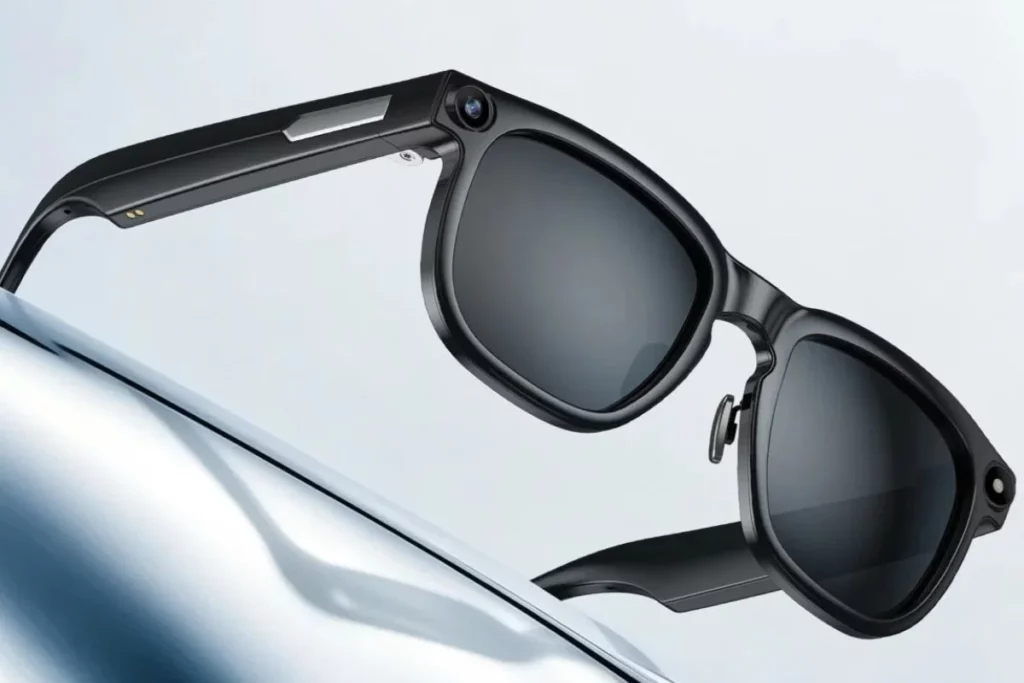
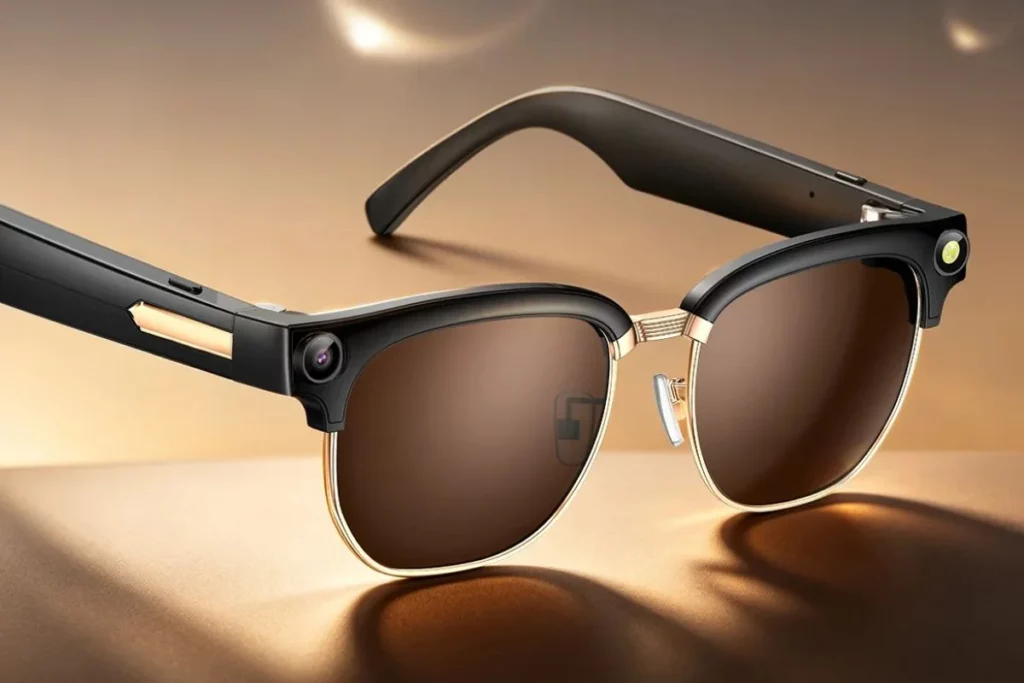
Both the Rollme AuraView and ProView are equipped with the same processing capabilities, camera capabilities and even the open-ear audio technologies.
Rollme AuraView
The Rollme AuraView model is fitted with an elegant metal half-rim frame that gives the AuraView a sunglasses-style look, making it better suited to outdoor use. The fixed tinted lenses are designed for sunny conditions and outdoor activities such as walking and travel. Because the tinted lenses cannot be replaced, the Rollme AuraView model is mainly used for sunny day outdoor activities and travel.
Rollme ProView
Instead of the half-rim frame, the Rollme ProView model is characterized by the robust full-rim frame made out of flexible TR90 plastic. Unlike the Rollme AuraView, the Rollme ProView model is not limited to one type of lens, providing users with two different lenses to choose from: clear lenses for indoor activity and brown-tinted ones to protect your eyes in the sunlight.
In this way, the Rollme ProView model allows you to switch the lenses depending on your need; for example, using the clear lenses in the office and the tinted ones when you head outside for a walk.
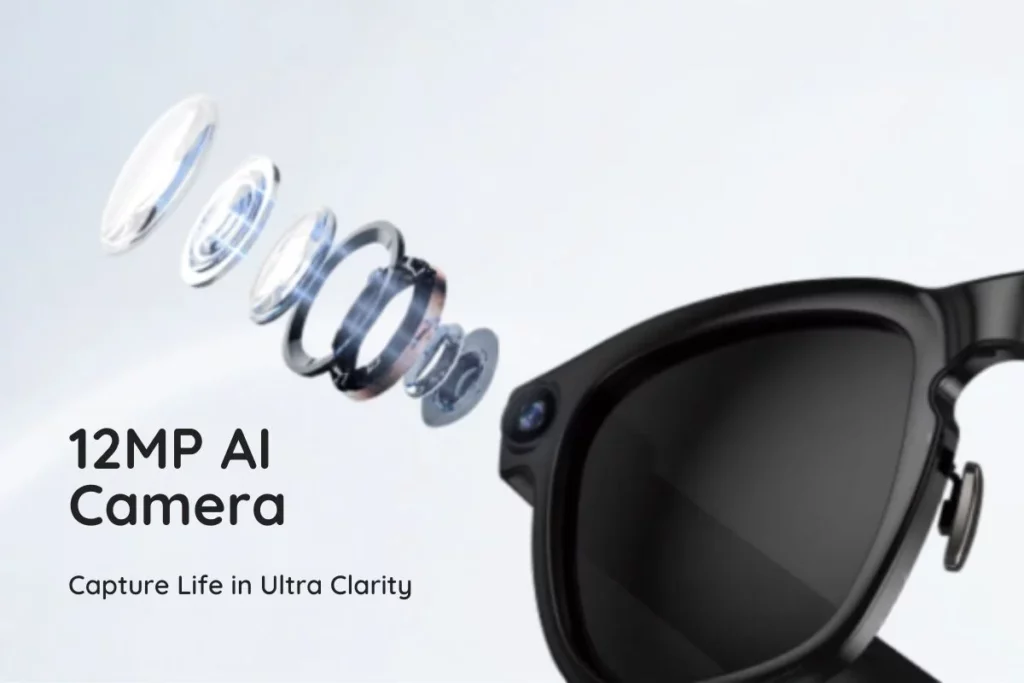
Both Glasses Use a 12MP Sony Camera
© Rollme
© Rollme
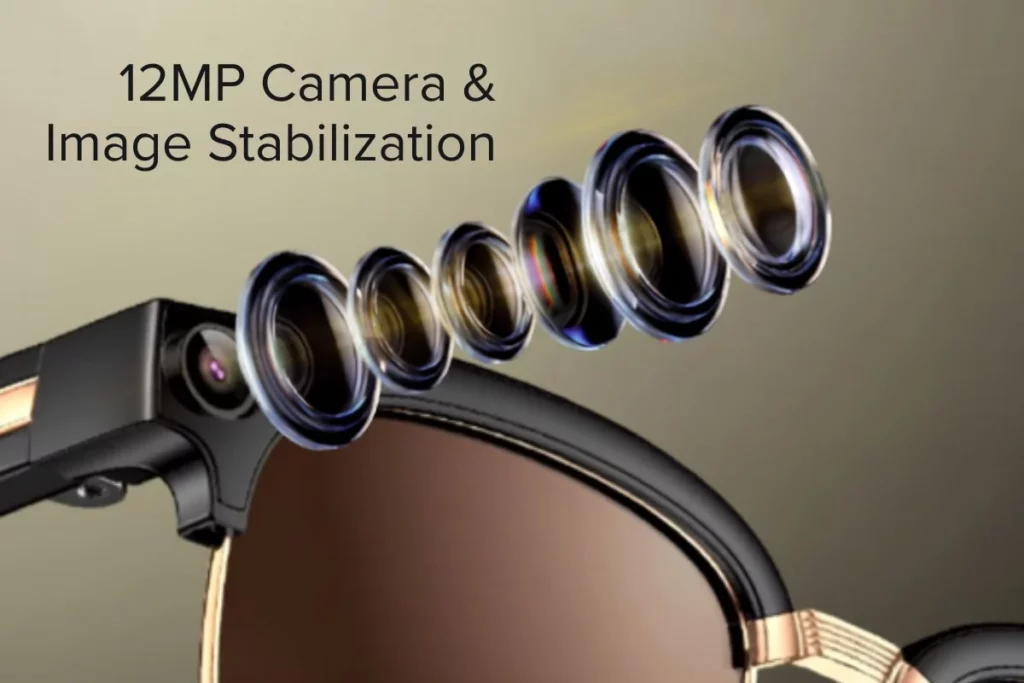
The Rollme AuraView and Rollme ProView both come with the 12MP Sony image sensor embedded directly into the frame. Rollme says that the camera has a very quick 0.6-second shutter delay when you use the physical record button.
It has built-in electronic image stabilization to ensure that your first-person videos are steady despite the typical motion blur associated with head-mounted video recording.
However, there is no mention in any of their documentation about certain key camera specifications, including:
- Resolution and frame rate for video recordings (1080p at 30fps or 60fps)
- Internal storage size
- Maximum recording time per clip
The AI Can Recognize What You’re Looking At
Rollme claims that the visual recognition tasks are achieved by the smart glasses through the incorporation of the dual-chip architecture. When you use either AuraView or ProView smart glasses, the front-mounted Sony camera always sees what you see and through that, the built-in assistant helps you recognize the physical objects in your environment, identify any landmark and even understand the written signs. Through these processes, the assistant tells you in natural speech what is in front of you in that moment.
But What Is AI Actually Running?
Despite the visual identification features being one of the key advantages of Rollme’s relatively affordable smart glasses, it seems to have overlooked many basic issues related to the functionality of their product. The most important ones include the following:
- Which third party foundation or large language model (LLM) processes the visual and voice commands?
- Does the image recognition happen locally through the companion phone or does it require cloud server processing?
- How much does the device depend on having a cellular data connection when away from Wi-Fi?
- Are there any provisions about image data storage, audio recordings and general user privacy protection?
Due to the lack of such information in the documentation, users face several unanswered questions concerning the device performance and data security.
Live Translation Could Be One of the Most Useful Features
Travelers and language students have access to such a useful translation tool on the Rollme AuraView and Rollme ProView as live translation. There are two types of translation on the Rollme:
- Observing the Text: The camera takes a picture of any foreign book, menu or street sign and the AI translates and pronounces the text via the speaker.
- Live Conversations: Another special mode translates conversation in real time by picking up speech using the microphone.
There is still no detailed list of languages Rollme works with or information about the speed and efficiency of translation. Here are some translation earbuds if you’re traveling.
They’re Also Open-Ear Headphones
© Rollme

© Rollme
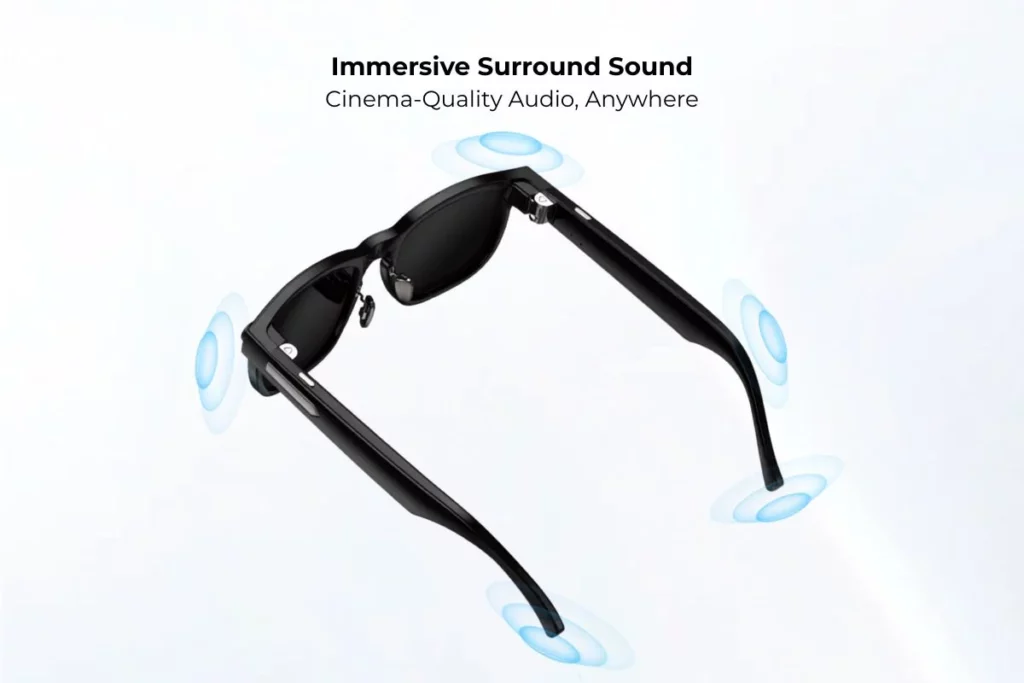
Audio delivery relies on open-ear acoustic engineering. Each temple arm integrates an independent speaker positioned right above the ear canal, allowing wearers to listen to assistant responses, podcasts and phone calls while maintaining full situational awareness of ambient surroundings.
For voice input, the frames incorporate high-sensitivity directional microphones that are backed by ambient noise reduction algorithms to isolate the speaker’s voice during calls.
True acoustic clarity, microphone wind rejection, bass response and sound leakage will require direct field testing.
Built for All-Day Wear: But We Need Better Battery Numbers

© Rollme
© Rollme
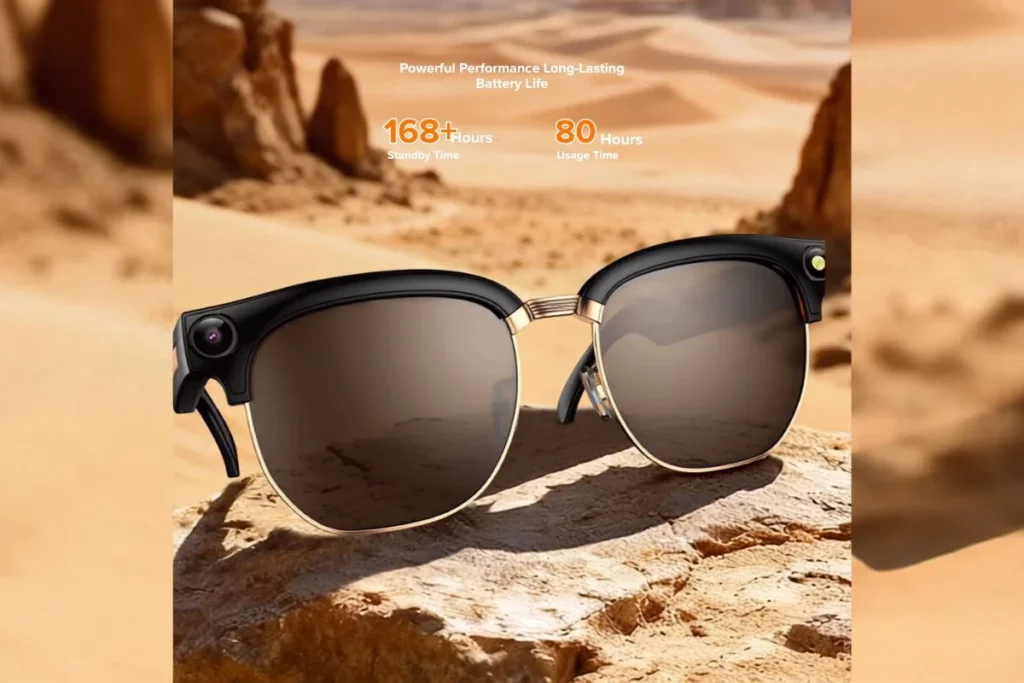
For the power to run the electronics on both the Rollme AuraView and Rollme ProView, there is an in-built rechargeable 280mAh battery. The company sells the two models as being all-day wearable devices, however, there is no official documentation from the company specifying the number of hours that the battery lasts.
The reason behind this is that running the camera, wireless image downloading and voice computing consumes more power than just Bluetooth standby mode.
$99.99 Is the Part That Makes These Interesting
This is one of the major reasons why Rollme AuraView and ProView should be given a chance. In previous years, acquiring a good pair of AI smart glasses complete with a camera was not an easy feat, considering that it cost more than $300, such as the Ray-Ban Meta smart glasses. The Rollme smart glasses line, with its $99.99 price tag, is taking steps to carve out its own niche.
Are These Cheap Ray-Ban Meta Alternatives?
On paper, the key idea is similar to that of market-leading products such as the Ray-Ban Meta smart glasses, which include hands-free point of view (POV) photography, open-ear audio, onboard microphones and voice-driven artificial intelligence.
Nonetheless, one should not treat them as equals without testing them in real life. Competitors develop special optical chains, use ultra-wide sensors, create sophisticated companion app ecosystems, record spatial audio in high bitrates and provide many privacy notifications. Until Rollme’s hardware is independently tested in terms of dynamic range, low-light environments and microphone wind suppression, the View Series is best regarded as a budget product trying to explore the category.
Who Are AuraView and ProView For?
The AuraView and ProView are good for:
- Tourists that require translation without using their hands.
- Creative people that require an easy way to take POVs of photos and videos.
- People that wish to use AI glasses but not to pay a couple hundred dollars.
- People that require open-ear audio for phone calls, music and AI.
- Daily commuters that require useful features but don’t want to look at the phone.
- First smart glass users that wish to enter into this category with an entry-level product.
- Users that do not require an augmented reality display but still want camera, AI and audio features.
- Outdoorsy people that prefer the sunglasses-like design of AuraView.
- Everyday users that require more flexibility in the lens might find the ProView a better choice.
Wrap Up
The Rollme AuraView and ProView show that you no longer need to spend hundreds of dollars to get a pair of smart glasses with a camera, AI and open-ear audio. At $99.99, both models offer an interesting mix of features, with the main difference coming down to their designs and lens options.
Still, there are a few unanswered questions around camera performance, battery life and AI capabilities. For now, the Rollme AuraView and ProView look like interesting budget options, especially for anyone curious about smart glasses and not ready to spend big on them.
Feature Image © Rollme
FAQs
Decode the Decor
The Smart Jewelry Revolution
A practical guide to wearable tech's future — delivered straight to your inbox.
Author
