

 Add Us On Google
Smart rings have become one of the most exciting categories in wearable technology. Unlike bulky smartwatches that constantly buzz and demand your attention, these sleek bands work quietly in the background. They capture vital, continuous health data while remaining comfortable enough to wear all day and night.

Right now, two names are dominating the conversation: the newly launched Oura Ring 5 and the high-performance Ultrahuman Ring Pro. Oura has historically built its reputation around industry-leading sleep and recovery tracking, but its fifth-generation model introduces a much thinner profile and proactive health monitoring. On the other hand, Ultrahuman has focused its ecosystem on delivering deep performance metrics, metabolic intelligence and a refreshing subscription-free experience.
Decode the Decor
The Smart Jewelry Revolution — a practical guide to wearable tech.
With the arrival of the Oura Ring 5, choosing has become more compelling than ever. Should you invest in Oura’s ultra-slim design upgrades or go with Ultrahuman’s powerhouse flagship? Let’s find out.
Oura Ring 5 vs Ultrahuman Ring Pro: Quick Comparison
| Features | Oura Ring 5 | Ultrahuman Ring Pro |
|---|---|---|
| Sensors | 12 optical signal pathways, advanced PPG, skin temp, SpO2 | Redesigned heart-rate sensing, skin temp, SpO2, continuous glucose monitoring (CGM) integration |
| Weight | 2.0g to 2.69g (size dependent) | 2.4g to 3.6g (size dependent) |
| Width & Thickness | 6.0mm wide / 2.28mm thick | 7.9mm wide / 2.4mm thick |
| Primary Focus | Passive wellness, sleep and cardiovascular health | High-performance fitness, metabolism and longevity |
| Processor | Custom ultra-low power chipset | Dual-core with on-device machine learning |
| Activity Tracking | Improved Workout Detection | Advanced Activity Monitoring |
| AI Features | Health Radar | Jade AI Assistant |
| Battery Life | Up to 6-9 days | Up to 15 days |
| Subscription | $5.99 USD/month and $69.99 USD/year | No Core Subscription with Paid Additional Features (PowerPlugs) |
| Price | Pre-orders start at $399 to $499 | $479 |
What’s New in Oura Ring 5

The Oura Ring 5 now represents a massive hardware overhaul that changes its design and internal technology. Oura completely rebuilt the internal battery and circuit boards and also shrank the ring’s total volume by 40% compared to its previous generation. It is now a 6.09mm wide and 2.28mm thick, making it look and feel exactly like traditional jewelry. Weighing 2.0 to 2.69 grams, this ultra-slim titanium smart ring features a scratch-resistant outer coating and standard IP68 water resistance up to 100 meters.
Oura is back with their Gen 3 dome design and it replaced its flat sensors with 12 optimized signal pathways using low-profile 0.7mm inner sensor domes for better skin contact. They also use more powerful green, red and infrared LEDs, four times stronger than before, to fit inside the smaller device. These sensors work through the skin, giving you readings for your resting heart rate, heart rate variability (HRV) and blood oxygen (SpO2) regardless of your skin tone or finger size.
Even though the hardware is smaller, newer cell technology pushes the battery life up to 6 to 9 days on a single charge. This upgraded tech powers Oura’s new background tracking engine, called Health Radar, which scans your 30-day biometric baselines to identify changes in your biometric patterns. On top of that, it introduces overnight Blood Pressure Signals, Live Activity Tracking for real-time heart rate and pace metrics during workouts and specialized dashboards for GLP-1 medication trends and clinical lab uploads.
What Ultrahuman Ring Pro Brings to the Table

While Oura focused on shrinking its design, Ultrahuman chose to focus on battery life, data depth and long-term value. The Ultrahuman Ring Pro is designed for users who want detailed health insights without being locked into monthly subscription fees. Having worn the previous Ring Air, I found that the app connects different metrics. Instead of looking at your sleep and workouts separately, the platform weaves your data together to explain how daily stress or a late meal directly affects your morning recovery.
Inside the ring is a dual-core processor with on-device machine learning that processes your heart metrics locally on your finger. To help you understand this data, Ultrahuman features Jade, an AI health coach built into the app. Rather than just showing you raw numbers, Jade explains your trends and offers suggestions. It connects your movement, sleep and even continuous glucose monitor (CGM) blood sugar data to help you understand why your energy is slumping, while giving you suggestions throughout the day.
Battery life is another area where Ultrahuman stands out, offering 15 days of standalone power on a single charge. This means you can go on a two-week trip without worrying about charging. It comes with a Pro Charging Case that holds an extra 45 days of backup power. This case supports wireless charging, has a built-in speaker to help you find it if it gets lost and snaps the ring into place using magnetic charging.
One advantage for most buyers is Ultrahuman’s subscription-free model, making it one of the top Oura Ring alternatives. While Oura places its advanced metrics behind a monthly fee, Ultrahuman provides access to your core health data, app updates and specialized software features. Plus, because the ring has enough built-in memory to store 250 days of offline history, your biometric data can be stored even when your phone isn’t nearby.
Health & Sleep Tracking: Head-to-Head
When we compare the Oura Ring 5 vs Ultrahuman Ring Pro, you will get to know that both use two different approaches to manage your wellness. While Oura acts as a calm, long-term health advisor, Ultrahuman operates like an elite performance coach.
Heart Rate Variability (HRV) and Technical Accuracy
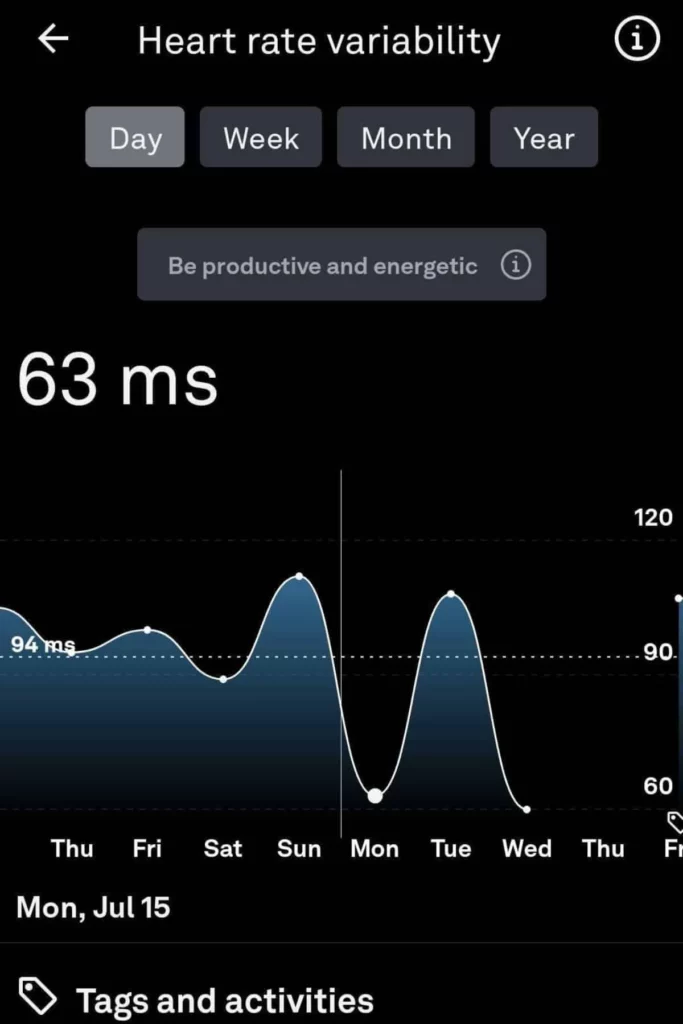

Both rings track your resting heart rate and Heart Rate Variability (HRV), which measures the tiny variations in time between each consecutive heartbeat to evaluate your nervous system’s stress levels, but they process and show this data quite differently. The Oura Ring 5 relies on its upgraded 12-pathway sensor architecture and infrared light channels to establish a highly precise, medical-grade baseline of your cardiovascular health while you sleep.
Meanwhile, the Ultrahuman Ring Pro uses its fast dual-core processor to track your HRV across two distinct scientific formulas: RMSSD (which tracks rapid, short-term heart changes to show immediate stress) and SDNN (which looks at overall nervous system balance over longer periods. This dual-method tracking is incredibly responsive at catching immediate lifestyle shifts. Whenever I eat a heavy, late-night dinner or push myself through an intense evening workout session, the real-time drop in my overnight HRV is laid out clearly in the mobile app the very next morning, showing me exactly how hard my body is working to recover.
Sleep Stages and Recovery Insights


The sleep tracking system on the Oura remains an industry gold standard for staging analysis. By utilizing its advanced software, it maps out your light, deep and REM sleep cycles with high precision, while using its background Health Radar to flag sudden nighttime breathing disruptions or unusual shifts in your heart rhythm. Oura combines these data points into a detailed Sleep Score that helps you understand the quality of your rest and whether you’re getting the recovery your body needs. These insights also contribute to its separate “Readiness Score” from 0 to 100, letting you know whether your body is primed to tackle a heavy day or if you need to take it easy.
Ultrahuman approaches sleep through a metabolic and circadian rhythm lens, looking closely at how your internal biological clock and energy usage impact your rest. The Ultrahuman Ring Pro app features Dynamic Recovery, a smart score that constantly updates throughout your waking hours based on your active movement, skin temperature shifts and current stress levels.
Instead of just giving you a static morning score, Ultrahuman introduces a feature that Oura currently doesn’t offer: the Caffeine Window PowerPlug. It maps out your day to tell you exactly when your biological “Caffeine Window” closes so you do not accidentally disrupt your deep sleep stages later that night. Furthermore, if you pair it with a continuous glucose monitor (CGM), the app directly charts your blood sugar spikes against your nightly sleep disturbances, showing you the exact moment a late-night snack caused a spike in your body temperature and ruined your recovery.
Activity Tracking for Athletes vs. Casual Users


For casual daily movement, both rings do an excellent job of tracking your daily step counts, active calorie burn and overall physical motion. However, if you are an athlete or a regular gymgoer, their features diverge rapidly:
- Oura Ring 5: Its new Live Activity Tracking mode lets you turn your smartphone screen into a real-time workout dashboard for over 50 different sports, displaying your live heart rate, distance and pace. The minor catch is that you still have to manually open your phone and start the workout session inside the Oura app to capture that high-resolution data.
- Ultrahuman Ring Pro: This ring feels much more naturally integrated into high-intensity workout routines. Because its titanium interior is completely smooth and lacks any protruding sensor bumps, I can easily grip heavy metal barbells, dumbbells or pull-up bars during sweaty gym sessions without feeling any painful pressure or pinching on my finger. Additionally, its on-device machine learning does a phenomenal job of automatically catching and tracking rapid heart rate spikes during high-intensity interval training (HIIT), giving you a granular breakdown of your physical performance strain without requiring you to constantly interact with your phone screen.
Having said that, I personally don’t enjoy wearing a smart ring to the gym. They can pick up scratches over time, and gripping heavy barbells or dumbbells with a ring on can become uncomfortable during longer workout sessions.
Battery Life & Charging
Battery life is easily one of the most important things to look for in a 24/7 wearable. A smart ring can only keep track of your health metrics if it actually stays on your finger and sleep tracking with a smart ring is only possible if it is comfortable to wear overnight. This is an area where these two devices offer completely different experiences.
Oura Ring 5 Battery Performance

Even though Oura managed to shrink the physical body of the ring by 40%, they did an impressive job keeping the battery life solid. The Oura Ring 5 gives you between 6 to 9 days of continuous use on a single charge. Exactly how long it lasts will depend on your specific ring size and how often you turn on the new Live Activity Tracking mode during your workouts.
When it runs out of charge, it sits on a standard desktop charging dock and takes about 80 minutes to climb back up to a full charge. The main downside here is travel convenience. If you want to charge the ring while you are away from home without bringing the desktop dock, you have to buy their new aluminum wireless charging case separately as a $99 accessory.
Ultrahuman Ring Pro Battery Performance

The battery setup on the Ultrahuman Ring Pro is an absolute powerhouse. On its own, the ring achieves an incredible 15 days of battery life on a single charge. Having used the Ultrahuman Ring Air myself, I found the company’s battery claims to be fairly accurate, which gives me confidence in these figures as well. This extra-long battery completely changes how you use the device because you can head off on a two-week vacation without even thinking about bringing a charger, entirely removing the worry of missing health data because your ring died.
What makes this even better is that Ultrahuman includes its Pro Charging Case with the ring. This is not just a cheap plastic case, it is built out of premium, durable materials and holds an extra 45 days of backup battery power. When you combine the ring and the case together, you get a massive 60 days of complete off-grid tracking before you ever need to plug into a wall outlet.
The smart case also features a built-in speaker and vibration sensors that link up with a “Find My Case” tracking tool in the mobile app, meaning if you ever misplace it around the house, you can make the case play a loud sound to find it quickly. Finally, it supports standard Qi wireless charging, which lets you drop the entire case onto the exact same wireless charging pad you already use for your smartphone or even your Apple Watch. If you’re looking for travel-friendly charging options, be sure to check out our guide to the best portable power banks for Apple Watch.
App Experience & Ecosystem


The Oura app is widely known for being incredibly clean, visually beautiful and very simple to navigate. It cleanly divides your health data into three main pillars: Sleep, Readiness and Activity. This straightforward layout is ideal for casual users who want to see their daily progress through smooth charts and simple percentages without feeling completely overwhelmed by confusing scientific metrics.
With the launch of the Oura Ring 5, the app adds several advanced medical-style features. The biggest addition is Counsel Health, which is a built-in AI tool developed in collaboration with Counsel that answers your personal health questions and can even connect you to actual licensed medical doctors through the app for a small extra fee. In some ways, this is similar to Ultrahuman’s Pocket Doctor PowerPlug, which also offers access to healthcare professionals as a paid add-on. The app also includes Oura Health Records, which lets you securely save information about long-term health conditions, alongside specialized tracking tools built for women’s cycles and dashboards that show how GLP-1 medications change your daily resting heart rate and metabolism.
However, the major downside with Oura is its mandatory paywall. To see your detailed heart rate graphs, deep sleep analysis or any historical health trends, you must pay a recurring monthly membership fee of $5.99 (or $69.99 per year). If you’re wondering exactly what happens without an active membership, we’ve explained it in detail in our guide on using the Oura Ring without a subscription. In short, you’ll only have access to basic daily scores, while detailed trends, graphs and advanced insights remain locked behind the paywall.
The Ultrahuman app takes a completely opposite approach, making it an absolute dream for data lovers, gymgoers and anyone who wants total control over their health stats. Instead of hiding your numbers behind generic scores, it gives you highly detailed, raw metrics. The Ultrahuman app also includes a Circadian Rhythm Ring, which maps out your 24-hour day to show you the exact times your body is built for peak exercise, when you should step outside for natural sunlight and when your brain is starting to create melatonin to wind down for bed.
The absolute best part of using the Ultrahuman app is their PowerPlugs ecosystem. Think of these as a built-in app store full of specialized health tools that you can turn on or off depending on your personal fitness goals. For example, you can activate the Vitamin D tracker to see how much sun you need, use the social Jet Lag to adjust your sleep schedules before a flight or turn on the FDA-cleared Atrial Fibrillation (AFib) tracking to scan your overnight heart rhythms for dangerous irregularities.
The app also connects directly with Ultrahuman’s M1 Continuous Glucose Monitor (CGM) sensor, sending a live stream of your blood sugar levels straight to the screen so you can see exactly how a high-carb meal alters your physical energy and sleep recovery.
Who Should Buy Each Ring
You should consider Oura Ring 5 if:
- Sleep tracking is your top priority
- You prefer a polished and beginner-friendly app
- You want a smaller and lighter ring
- Recovery insights matter more than detailed health experimentation
- You don’t mind paying a monthly subscription
You should consider Ultrahuman Ring Pro if:
- You want maximum battery life
- You dislike subscription fees
- You enjoy deeper health insights
- You like AI-powered coaching
- You want a more data-focused health platform
Who Should Avoid Both
You should avoid both if:
- You need clinical-grade medical monitoring
- You expect smartwatch-level functionality
- You need a device with a display for notifications
Final Verdict
If I had to choose between the Oura Ring 5 and the Ultrahuman Ring Pro, I would personally pick the Ultrahuman Ring Pro.
The reason is simple. While Oura Ring 5 brings some impressive upgrades, the Ultrahuman Ring Pro offers a complete experience without requiring a monthly subscription. During my time using it, I found the health insights easy to understand, the recovery tracking useful and the overall app experience focused on helping users improve their daily habits.
That doesn’t mean Oura Ring 5 is a bad choice. In fact, it may still be the better option for users who care most about sleep tracking and want Oura’s well-established ecosystem. However, if I were spending my own money today, the Ultrahuman Ring Pro would be my pick because it delivers strong health tracking, useful insights and better long-term value.
FAQs
Decode the Decor
The Smart Jewelry Revolution
A practical guide to wearable tech's future — delivered straight to your inbox.
Author
