

For many people, hearing aids remain expensive, stigmatized or simply an inconvenience to wear. Altina believes smart glasses can offer a more approachable alternative by integrating hearing assistance into a device people are already comfortable wearing.
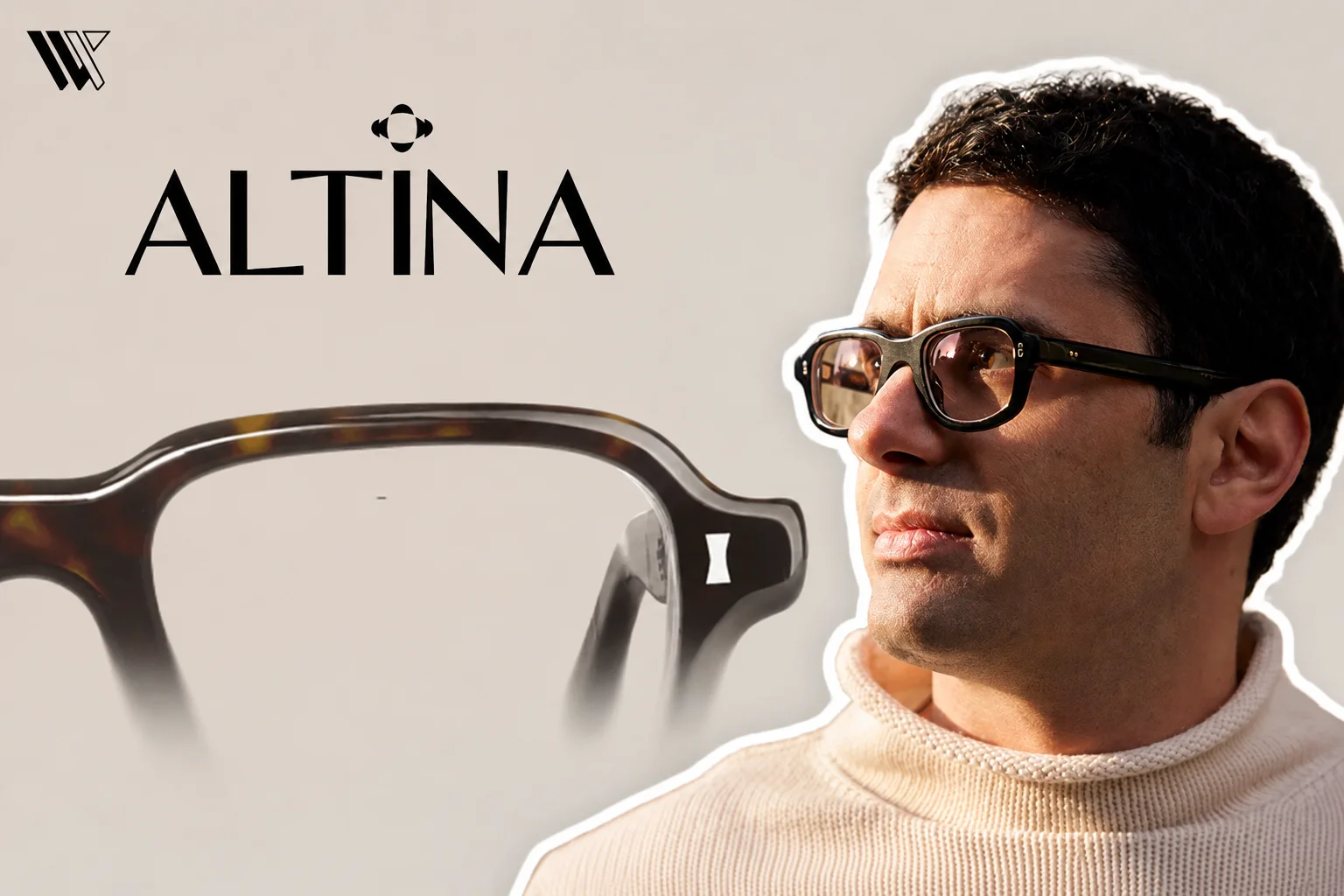
I sat down with the founder and CEO of Altina, Tal Bar-Or, to find out exactly how Altina’s smart glasses for hearing work, what it feels like to put them on and why he believes the whole hearing aid industry has been solving the wrong problem.
What are Altina Smart Glasses

Altina has created hearing aids in the form of glasses that are made using 100% high-end acetate, just like any other eyewear, but without any visible technology, application or most importantly, a camera. The glasses are designed in collaboration with Cubitts, a British eyewear brand, pulling focus on where the brand stands in terms of design.
Decode the Decor
The Smart Jewelry Revolution — a practical guide to wearable tech.
Tal was wearing these hearing glasses in our interview and they looked like any regular pair of glasses. But with Altina, the electronics are built into the temples, with speakers on either side and nothing on the front of the glasses that makes them look bulky or weird.
That last detail matters more than it sounds like it should. There have been studies showing links between hearing loss and the development of Alzheimer’s. Altina’s bet is that if the product looks identical to regular glasses, then it would be more socially acceptable and adaptable, potentially reducing the risk of cognitive decline.
From Echo Frames and Magic Leap to a Gap Nobody Was Closing
The story of Tal’s journey begins in mechanical engineering and then moves through some unusual wearables. A head-mounted display for helicopter pilots, a brain stimulation headset for athletes and eventually smart glasses. He worked at Magic Leap, then led product development for Amazon Echo Frames.
This period in the tech world of smart glasses is when the concept truly formed. He witnessed the huge investments poured into vision-first features while hearing was always an afterthought, despite the huge market waiting to be tapped. Only less than 20% of the population with hearing impairments is actually using a hearing aid device. He left Amazon to develop Altina full-time, betting that the other 80% weren’t rejecting hearing aids, they were just rejecting how they look and feel.
How the Chip Tells Speech From Noise
In terms of technology, the main issue with traditional hearing aids is the fact that they amplify everything in the surrounding environment and do not specifically concentrate on the speech of a single person. Altina makes use of an AI chip and beamforming microphones embedded in its frame to separate the voice of the person you are talking to from other noises made by people and machines in the surroundings. These are purely hearing eyewear and all operations take place on the device itself.
Who Is It Actually For and Does It Benefit People With Normal Hearing?

Some 20% of those living with hearing impairments are completely unaware of that condition because of the fact that they’ve never been tested and that’s the group Altina is actually for.
The more relatable version of this particular problem occurs in noisy cafes, crowded business conferences and parties where basically everyone finds themselves having trouble following a conversation, no matter if they would classify this as a hearing impairment. This is what the creators of Altina believe will make a difference for most people. Translation as a feature is something they are definitely open to, in the future.
No Privacy Concerns: No Recording, No Camera
The best part about Altina is that there is no recording capabilities or even a camera in the product. This is a strategic decision rather than an omission in design. Tal explicitly stated that there is no intention to develop camera glasses at all, due to the growing backlash associated with smart glasses in general.
He also referred to a report published last month, revealing the possibility of removing the recording indicator light in Meta RayBan smart glasses, which is supposed to let others know that the recording is on. The report reinforced Tal’s belief that adding cameras and the ability to record videos is not necessary in such a product, especially with the growing privacy concerns.
There is no recording and therefore no indicator light needed at all. No uncomfortable situations when users have to let others know that they are being recorded. The data is also processed on-chip, under 10 ms. Tal emphasized that if the processing is done on the cloud, it would take more than that, resulting in latency.
Built With Cubitts: Why the Frame Matters as Much as the Chip
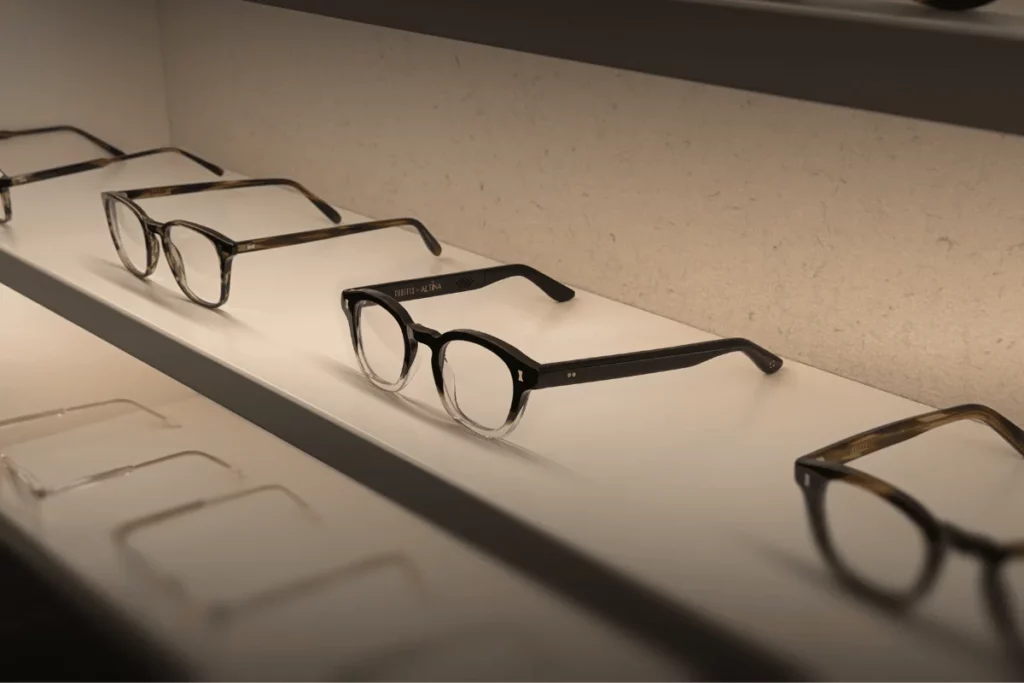
The eyewear collaboration is not accidental. Altina hearing glasses worked with Cubitts on frame design, nose shapes and sizing in a way that allows these smart glasses for hearing to have the same flexibility as regular prescription eyewear. This is a step ignored by most other smart glass manufacturers, limiting them to two or three nose pads to fit people across the globe.
Frames are made of 100% acetate, the same material that is widely used in high-end glasses. This allows these hearing glasses to avoid the bulky and gadget-like appearance of most other smart glasses.
When it comes to those who need a prescription lens, it’s already done since collaboration with its UK-based eyewear partner allows prescription lenses to be installed in the same frames from day one. You do not need to go out and buy additional lenses to attach to these frames, as we do in the case of AR glasses.
Where Altina Sits Regulatorily
Altina plans to comply with applicable FDA requirements for over-the-counter hearing aids in the United States, reflecting its goal of positioning the glasses as a hearing assistance device rather than simply another pair of smart glasses.
Pricing and Launch Timeline
Altina has partners in both the US and UK and plans on having a worldwide launch of the product. Tal was, however, very careful in specifying that this would be a phased launch and not a simultaneous one. “One step at a time”, he said.
No pricing or launch date has been confirmed yet. However, these hearing glasses will land below the cost of traditional hearing aids, which can run as high as $5000-$8000 a pair through an audiologist.
How Altina Compares to Nuance Audio
Altina is not the first company to build a hearing aid into a normal-looking pair of glasses. Nuance Audio, developed by EssilorLuxottica after its 2023 acquisition of Israeli beamforming startup Nuance Hearing, has been on the market since 2025. It uses a similar idea: beamforming microphones, open ear speakers built into the temples and focuses on speech in noise performance over straight amplification.
Both Altina and Nuance Audio support companion apps for adjusting hearing settings. Nuance’s audio is controlled via a companion app running on a smartphone, which allows users to adjust volume levels, noise reduction feature and select among four hearing presets. It ships along with a charging pad and an optional remote.
Another area of distinction is the material used for the frames of these hearing glasses. Nuance offers two frame shapes in a handful of colors. Altina, on the other hand, is building a variety in nose shape and sizing in collaboration with Cubitts, closer to how traditional optical eyewear is fitted.
What’s Next
People associate hearing aids with a long wait and a long adjustment period. Tal’s pitch is that Altina doesn’t ask for either and that the device can work just as well as what’s already on the market, minus the part where you have to explain to anyone why you’re wearing it.
Altina has not announced a launch date or price, but it continues to refine the product as it moves toward commercialization. Till then, you can sign up for early access via their website.
Decode the Decor
The Smart Jewelry Revolution
A practical guide to wearable tech's future — delivered straight to your inbox.
Author
