

A decade ago, if someone told me a tiny ring on your finger could track your sleep, stress, heart rate and even estimate blood pressure, I probably would not have believed it. But wearable technology has moved incredibly fast and devices like the RingConn Gen 3 are trying to turn that futuristic idea into something you can wear every day.

The big talking point right now is RingConn Gen 3 blood pressure monitoring. A lot of people are curious whether a smart ring can actually estimate blood pressure accurately enough to be useful. Some users see it as a convenient wellness feature, while others hope it could replace traditional blood pressure cuffs completely.
Decode the Decor
The Smart Jewelry Revolution — a practical guide to wearable tech.
The truth is somewhere in the middle. RingConn Gen 3 blood pressure monitoring is an impressive wearable technology, but it is also important to understand what it can realistically do and what it cannot. Here we will see how the feature works, how accurate it may be and whether you should actually trust it for daily health tracking.
How RingConn Gen 3 Blood Pressure Monitoring Works

© RingConn
© RingConn
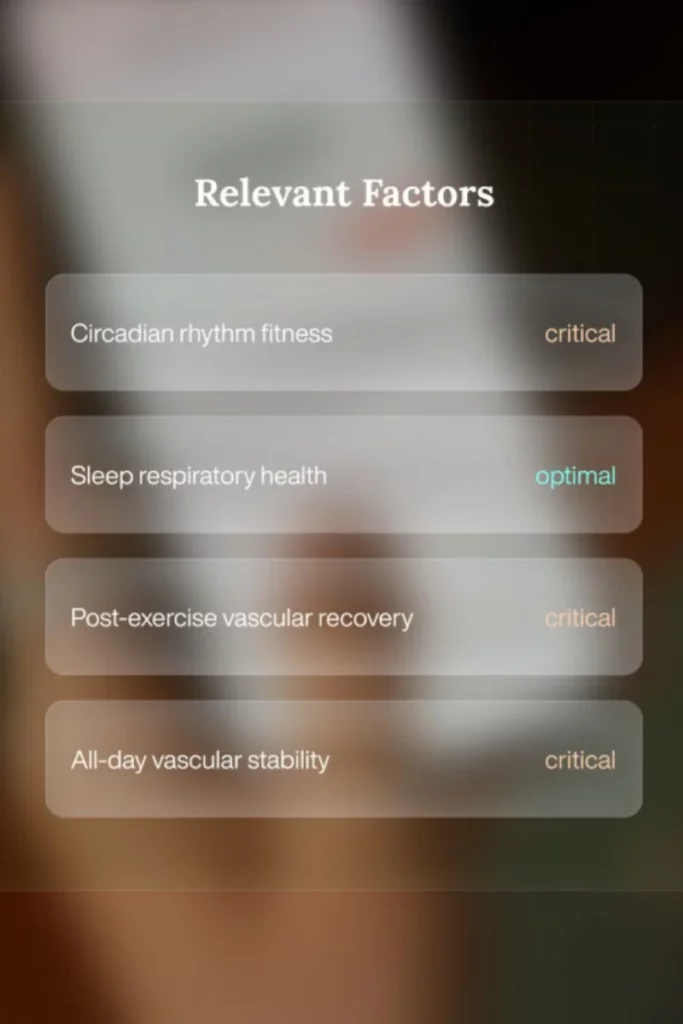
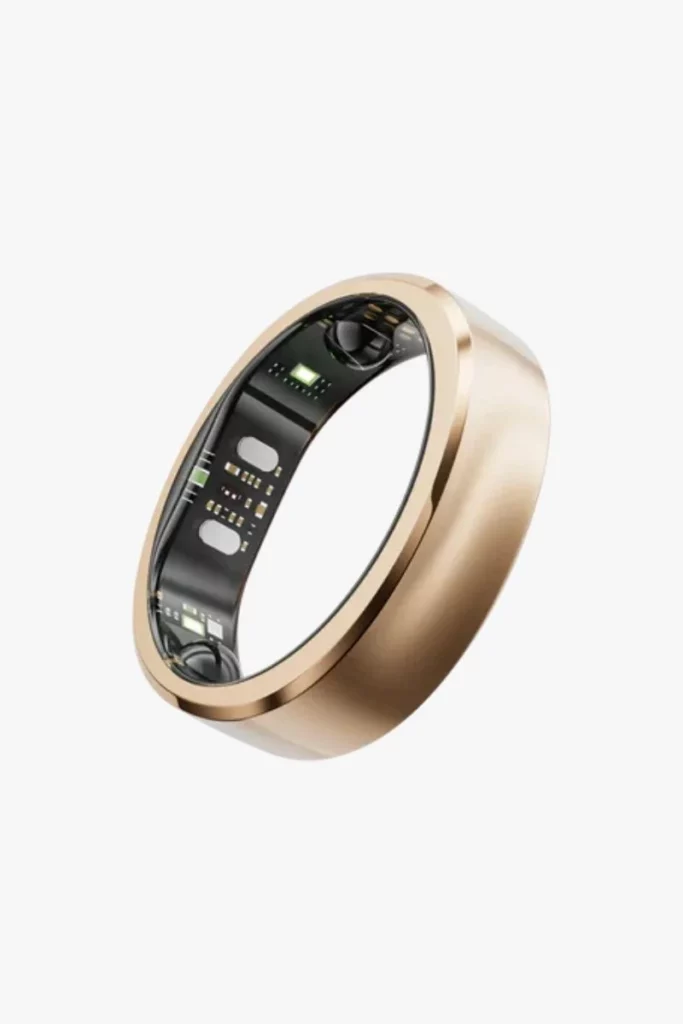
To understand the accuracy of the RingConn Gen 3 blood pressure monitoring system, it helps to look at the technology tucked inside the inner band of the ring. Traditional arm cuffs use an inflatable bladder to physically restrict blood flow and measure the pressure against your arterial walls. A smart ring cannot do this, because of its form factor. Instead, it relies on advanced optical sensors and software estimation models.
PPG Sensors and Optical Tracking
The core of the RingConn Gen 3 blood pressure monitoring system is its Photoplethysmography (PPG) sensor array. This setup includes a specialized optical heart rate sensor that emits light directly into the tiny blood vessels (capillaries) of your finger. As your heart beats, blood volume in the finger pulses, changing the amount of light reflected back to the ring’s sensors.
Pulse-Wave Analysis (PWA)
Once the ring captures these optical light signals, its internal processors perform a task called pulse-wave analysis. Every time your heart pumps, it creates a pressure wave that travels through your circulatory system. The shape, speed and intensity of this wave offer clues about the stiffness of your blood vessels and the resistance within your arteries.
Estimation Models and Calibration
The ring does not directly measure millimeters of mercury (mmHg). Instead, it sends the pulse-wave data through proprietary software algorithms. These estimation models calculate your likely cardiovascular state based on years of vascular research.
To keep these mathematical models accurate, the system requires a calibration concept. You must use a traditional, validated arm cuff to input your actual baseline numbers into the companion app. The RingConn Gen 3 may also require recalibration periodically, usually around once every 28 days, to maintain better tracking accuracy.
It then uses your real-world metrics as the basis for the optical measurements, which allow it to automatically track your health and sleep.
Is RingConn Gen 3 a Medical Device?
© RingConn
Let’s get straight to one of the most important facts: the RingConn Gen 3 is not a medical device. If you are exploring the world of “Health Wearables”, it is critical to understand the difference between a consumer gadget and a clinical tool.
The RingConn Gen 3 blood pressure monitoring feature is not FDA-approved as a medical diagnostic device. The company is very transparent about this. The ring is not a clinical BP monitor designed to diagnose illnesses or tell you if you are having a hypertensive crisis. Instead, it is intended strictly for wellness insights. It provides a bigger picture of your overall lifestyle and how it affects your body. If your doctor tells you to track your blood pressure for medical reasons, you should trust a clinical arm cuff, not a smart ring.
How Accurate Is RingConn Gen 3 Blood Pressure Tracking?
When people ask, “Is RingConn Gen 3 accurate?”, the answer depends entirely on what you expect the ring to output. If you are looking for an exact match to a doctor’s reading every single time, you will likely find an estimated variance that makes you question the technology.
Because the ring relies on pulse-wave analysis to estimate blood pressure trends, its accuracy depends heavily on proper calibration. If you do not calibrate the software with an accurate traditional cuff, the ring’s trend estimations will be fundamentally flawed from the start.
Furthermore, several everyday environmental and physical factors can skew optical sensor accuracy:
- Skin Perfusion: Cold weather constricts blood vessels in the fingers, reducing blood flow and making it difficult for PPG sensors to read pulse waves clearly.
- Movement Artifacts: Active hand movements can shift the ring slightly on the finger, causing gaps or noise in the continuous tracking loop.
- Ring Fit: If the ring is too loose, ambient light can leak into the sensor. If it is too tight, it can physically alter local blood flow patterns.
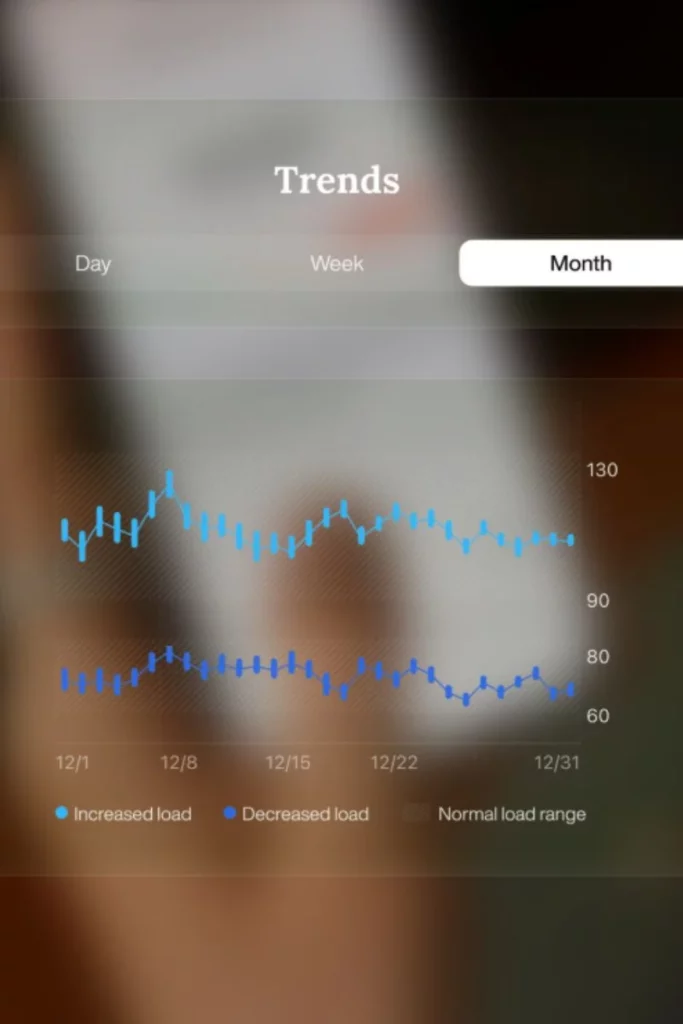
Because of these variables, you should expect the data to capture general directions (e.g., whether your resting cardiovascular load is higher this week compared to last week) rather than pinpointing an exact systolic or diastolic figure during daily movement.
Smart Ring Blood Pressure Monitoring vs Traditional Blood Pressure Monitors
To see where this technology fits into your routine, it helps to compare a wearable blood pressure monitor style like the ring against a traditional arm cuff.
| Feature | Smart Ring (RingConn Gen 3) | Traditional BP Cuff |
|---|---|---|
| Convenience | High (Lightweight, sits passively on your finger 24/7) | Low (Bulky, requires sitting still and wrapping a velcro cuff) |
| Continuous Tracking | ✓ (Automated monitoring during sleep and rest periods) | ✕ (Only captures a single moment in time) |
| Clinical Accuracy | Low to Moderate (Algorithmic trend estimation) | High (Gold-standard physical metric) |
| Spot Measurements | Limited (Requires low movement and steady states) | Excellent (Designed specifically for on-demand readings) |
What RingConn Gen 3 Actually Measures
© RingConn
© RingConn
To truly understand RingConn Gen 3 blood pressure monitoring, we have to clarify what it actually measures. Many people hear the words “blood pressure feature” and assume they can open the app and see a reading of “120/80” at any second of the day.
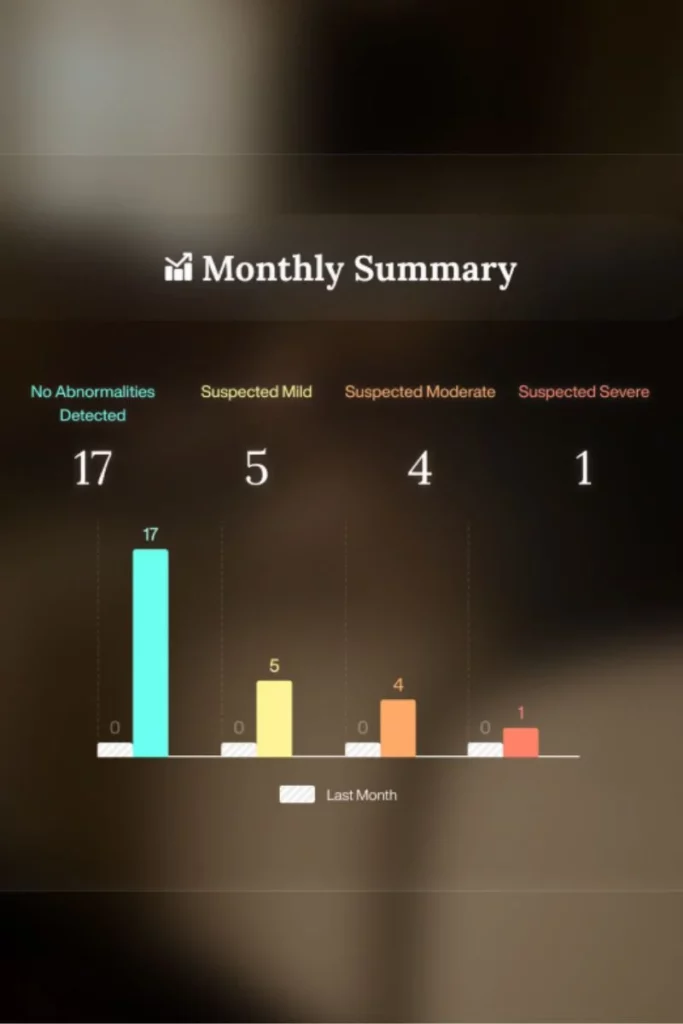
In reality, the RingConn Gen 3 is tracking cardiovascular trends. It looks at your pulse patterns while you sleep to evaluate your nighttime vascular load. It monitors how your circulatory system recovers overnight. For example, a healthy cardiovascular system usually shows a “dip” in blood pressure at night. The RingConn can tell you if your body is following this healthy dipping pattern or if your vascular system stays stressed all night.
These recovery insights are incredibly valuable for your long-term health. However, you must remember that it is tracking the direction your health is moving in, not acting as an exact clinical BP replacement.
RingConn Gen 3 vs Other Smart Rings
The smart ring market in 2026 is highly competitive. If you are looking for the best smart rings 2026, you will likely compare the RingConn Gen 3 to devices like the Oura Ring 4, Ultrahuman and the Samsung Galaxy Ring.
When looking at RingConn vs Oura, they both follow slightly different health tracking philosophies. Oura has been testing blood pressure features in its labs, but RingConn has pushed its vascular health insights directly to the user right out of the box. Furthermore, RingConn does all of this without charging a monthly subscription fee, which is a massive advantage over Oura.
When comparing the Galaxy Ring vs RingConn, Samsung ties a lot of its best features to the Samsung smartphone ecosystem. RingConn, on the other hand, works beautifully on any phone. Additionally, the RingConn Gen 3 introduced a built-in vibration motor for haptic health alerts, meaning it will gently vibrate on your finger to remind you to move or alert you to a health change. In terms of wellness vs medical framing, all three of these rings are wellness trackers, but RingConn’s integration of continuous RingConn Gen 3 blood pressure monitoring trends makes it a standout for cardiovascular tracking.
Who Could Benefit From RingConn’s Blood Pressure Feature?
While it is not a medical tool, the smart ring BP tracking capability offers clear advantages for specific groups of people, like:
- Health-Conscious Users: If you want to see a high-level view of how your body reacts to lifestyle choices like a late-night meal, caffeine or a stressful workday, the trend lines are highly educational.
- Athletes and Fitness Enthusiasts: Tracking post-exercise vascular recovery patterns helps fitness enthusiasts gauge how efficiently their cardiovascular system bounces back after heavy training blocks.
- Passive Monitoring Fans: For those who find smartwatches too bulky to wear to bed or dislike manually logging data, the ring’s lightweight design allows for seamless, continuous background collection.
Who Should NOT Rely on It?
Building true authority around health technology requires highlighting limitations. There are specific situations where relying on this feature could be risky.
- Hypertension and Hypotension Patients: If you have been clinically diagnosed with severe blood pressure issues, you should not solely rely on a smart ring to manage your condition.
- Clinical Monitoring Situations: If your doctor requires precise, actionable data to track a medical condition, you must rely solely on a validated medical arm cuff.
- Immediate Diagnostic Needs: If you are feeling unwell, dizzy or experiencing chest pains, a smart ring cannot provide the immediate, clinically accurate spot check required in an emergency.
Is RingConn Overpromising Blood Pressure Tracking?
The RingConn Gen 3 is undoubtedly a piece of innovative wearable tech. The ability to read vascular trends from a finger is a massive leap forward. However, this technology is still early-stage. The physics of measuring actual pressure inside a vein using only light sensors is incredibly difficult.
They are very clear about the need for a monthly calibration with a real cuff. So, while they are pushing the boundaries of what a smart ring can do, they are keeping their promises grounded in reality. They are offering a tool for better self-awareness, not a magical cure-all. In fact, most reputable wearable brands use similar language when talking about advanced heart-health tracking features.
Final Verdict
After looking closely at RingConn Gen 3 blood pressure monitoring, I do not think it is just a gimmick. The technology behind it is genuinely interesting and for casual wellness tracking, it can provide useful insights into long-term cardiovascular trends.
But I also would not treat it as a medical blood pressure monitor. The smartest way to use RingConn Gen 3 blood pressure monitoring is as a convenience feature, like something that helps you understand recovery, stress, sleep and overall wellness patterns more easily throughout the day.
If you expect clinical-grade accuracy, you may end up disappointed. But if you see it as an advanced wellness tool that gives you additional health context, the feature starts making a lot more sense.
And honestly, that is probably where smart rings are heading overall: not replacing doctors, but helping everyday users stay more aware of their habits in a simpler and more passive way.
FAQs
Decode the Decor
The Smart Jewelry Revolution
A practical guide to wearable tech's future — delivered straight to your inbox.
Author
