

Every year, wearable technology gets a little smarter. Features that once seemed impossible, like tracking sleep, monitoring heart rate and measuring stress, are now part of our daily lives. Now, one feature that has caught the attention of many health-conscious users is Oura Ring 5 blood pressure tracking.
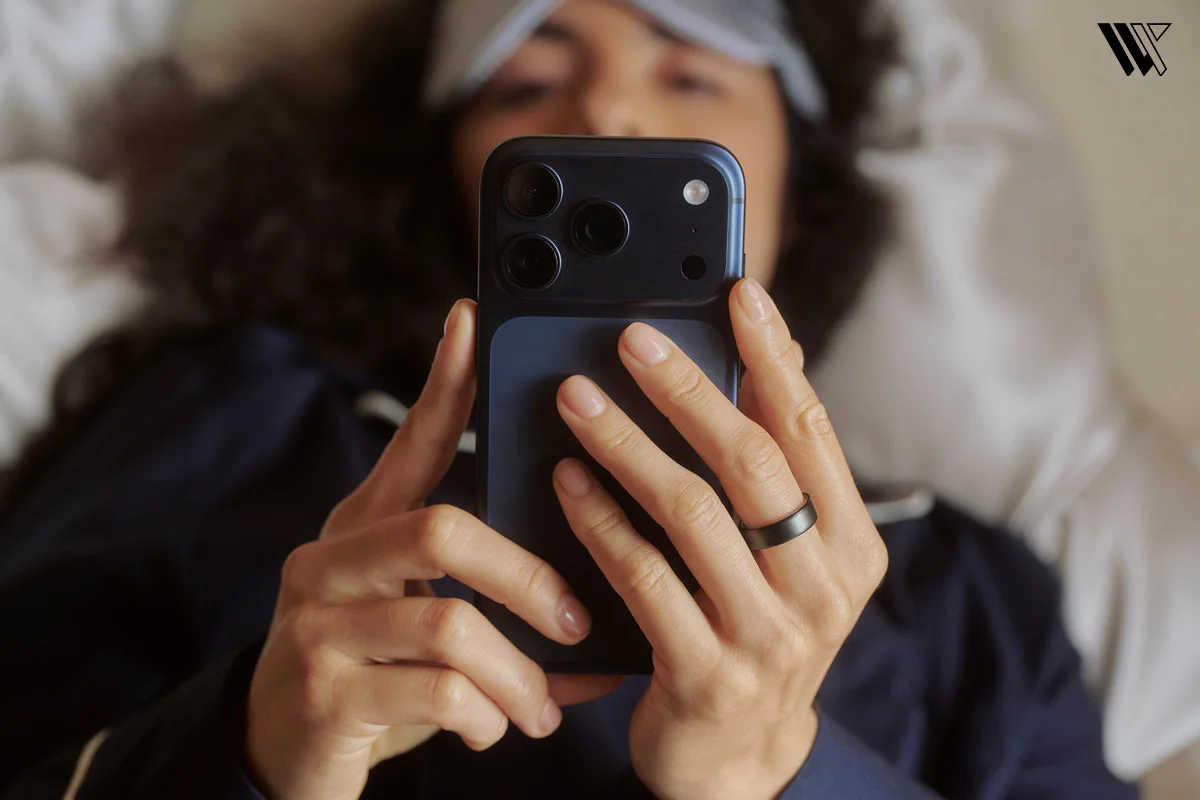
Instead of replacing a traditional blood pressure cuff, the ring is designed to identify long-term cardiovascular trends using advanced sensors and intelligent algorithms. In this guide, I’ll explain how Oura Ring 5 blood pressure tracking works, the technology behind it, how accurate it is and what you should realistically expect from this feature.
How Blood Pressure Tracking Works in Oura Ring 5
Sensor Technology
The Oura Ring 5 does not use physical pressure to measure your blood flow through blood vessels, unlike a traditional cuff. Instead, it relies on advanced optical sensors built into the inner lining of the ring. These are called Photoplethysmography (PPG) sensors.
Decode the Decor
The Smart Jewelry Revolution — a practical guide to wearable tech.
The Oura Ring 5 features a fully upgraded sensor layout with LEDs that are up to four times more powerful than previous generations. These LEDs shine light through your skin and into the tiny blood vessels in your finger. The infrared and alternating green/red light paths detect the volume of blood pumping through your finger with every single heartbeat.
As if the Oura Ring 4 wasn’t great already, the Ring 5, by monitoring how this light bounces back, tracks Pulse Wave Velocity (PWV). PWV measures the speed at which the pressure wave from your heartbeat travels down your arteries.
Algorithm & Estimation
Once the sensors capture the pulse wave shape and speed, Oura’s advanced software algorithms take over. When your blood pressure rises, your arterial walls become stiffer, causing the pulse wave to travel faster. When your blood pressure is lower, the blood vessels are more relaxed and the wave travels slower.
Oura Ring 5 blood pressure tracking uses these tiny timing variations, alongside your resting heart rate and historical biometrics, to estimate shifts in your blood pressure patterns.
However, it is important to know the limitations as compared to clinical devices. The ring does not provide exact systolic or diastolic numbers (like 120/80 mmHg). Instead, it calculates a structural estimation based on vascular health trends.
Continuous vs Spot Measurements

The Oura Ring 5 focuses heavily on passive, continuous monitoring rather than spot-checking your stats during a stressful workday. The primary data collection happens automatically while you sleep through a feature called Nighttime BP.
Physiologically, your blood pressure is supposed to drop by 10% to 20% overnight while your body rests and recovers. By capturing data over a 30-day window, the ring tracks your specific nighttime dipping pattern. This focus on long-term trend analysis helps you see whether your cardiovascular system is properly relaxing at night, which is often a much better indicator of heart health than a single daytime reading.
To unlock these insights, the ring requires an initial calibration period of at least 15 nights of data within a 30-day window to build your personal baseline.
Accuracy Expectations & Limitations
Comparison to Standard Cuff Readings
A standard medical arm cuff physically inflates to stop blood flow and directly measures the physical pressure against your arterial walls. The Oura Ring 5 does not do this. Because it uses light sensors to estimate trends rather than direct physical force, it cannot completely replace a traditional doctor’s cuff. Oura is designed to look for structural changes over weeks, not sudden minute-by-minute spikes.
Variability and Margin of Error
Because PPG technology relies on mathematical models to estimate blood flow behavior, there is a natural margin of error compared to clinical devices. Sudden changes in temperature, stress or caffeine intake can alter your blood flow signals, meaning individual nightly data points can vary.
A validation study published in MDPI Sensors confirmed that while short-term PPG data is highly sensitive to motion and acute physiological noise, aggregating measurements over longer time windows drastically reduces error variances. Oura counteracts this daily variability by using nightly and 30-day baseline averaging to smooth out temporary biological spikes and present a stable, reliable cardiovascular trend line.
Factors Affecting Accuracy

Several everyday elements can influence how accurately the Oura Ring 5 tracks your blood pressure signals:
- Ring Fit: If the ring is too loose, the LED lights can leak, leading to gaps in your data. It needs to sit snugly against the skin of your finger. For the perfect fit, read our guide on how to size the Oura Ring!
- Skin Tone: While the Oura Ring 5 features heavily upgraded, brighter LEDs designed to improve consistency across all skin tones, extreme variations in peripheral blood flow can still alter sensor signals.
- Movement: Excessive tossing and turning during sleep can cause temporary reading errors, though the ring filters out heavy motion artifacts.
Note: The Oura Ring 5 is a consumer wellness wearable, not a diagnostic medical device. It cannot diagnose hypertension or other medical conditions. Always rely on a validated medical cuff and a healthcare professional for clinical health assessments.
Subscription and App Integration
Like its predecessors, the Oura Ring 5 requires a monthly subscription fee ($5.99/month or $69.99/year) to unlock deep health metrics. Without the active membership, you will only see basic daily scores (Sleep, Readiness and Activity) without any deep trend analysis or blood pressure signal tracking.
App Dashboard Insights
Once calibrated, your blood pressure trends populate inside the Heart Health Hub and the new Health Radar dashboard within the Oura app. The app flags your overnight patterns into specific categories, such as an “Aligned” dip or a “Rising” pattern, giving you a clear visual look at how hard your heart is working at night.
Data Export and Trend Analysis
For those who want to cross-reference their daytime data with overnight trends, the Oura app includes a Cuff Readings log. Using this feature is completely optional, the ring’s passive nighttime tracking operates entirely on its own without it. The log simply acts as a centralized dashboard. If you use a traditional, standalone smart blood pressure cuff at home (from brands like Omron or Withings), that cuff automatically writes your medical-grade systolic and diastolic measurements into Apple Health or Android’s Health Connect. The Oura app then securely pulls those exact numbers from your phone’s central health repository. By bridging the gap between passive ring trends and hard cuff numbers, you can easily export a comprehensive cardiovascular chart to share with your doctor during your yearly checkup.
By itself, the Oura Ring 5 does not require a traditional cuff to calibrate the blood pressure insights feature.
Real-World Usage & Practical Tips
When to Check Trends vs. Rely on Medical Devices
Check your Oura app weekly to monitor your baseline trends. If you notice your nighttime blood pressure signals are consistently marked as Rising or Failing to dip over a full month, it is a great prompt to pull out a traditional arm cuff to get an exact, absolute reading.
Daily Routine Integration
To keep the data clean, make sure you wash and dry your ring regularly to prevent sweat or lotion from clouding the optical sensors. Wearing the ring on your index or middle finger typically ensures the best, tightest contact for the internal PPG sensors.
Interpreting Spikes and Recovery Trends
If you see a sudden negative shift in your nighttime blood pressure patterns, look at your surrounding lifestyle factors. Eating a heavy meal close to bedtime, drinking alcohol, intense late-night workouts or high stress can cause your blood pressure to stay elevated overnight. Use the ring to see how lifestyle adjustments improve your cardiac recovery over time.
Who This Feature Is For
Health-Conscious Adults Monitoring Trends
- Ideal for people who want to monitor their cardiovascular health over time.
- Helps identify long-term blood pressure trends instead of one-time readings.
- Can show how lifestyle changes, such as better sleep, regular exercise, healthy eating and stress management, may affect your cardiovascular health.
- Encourages proactive health monitoring but should not replace medical advice or a traditional blood pressure monitor.
Fitness Enthusiasts Tracking Recovery and Strain
- Useful for athletes and active individuals who want deeper recovery insights.
- Works alongside health metrics like heart rate, HRV, sleep and Readiness Score to provide a broader view of recovery.
- Can help users understand how intense workouts, stress or poor recovery may influence cardiovascular trends.
- Supports smarter training and recovery decisions by focusing on long-term health patterns rather than individual blood pressure readings.
Wrap Up
Oura Ring 5 blood pressure tracking is a convenient way to monitor long-term cardiovascular trends and better understand how your daily habits may affect your overall heart health. While it isn’t designed to replace a traditional blood pressure monitor, it offers useful insights that can help you stay more aware of your wellness over time.
If you view it as a trend-tracking tool rather than a diagnostic device, it can be a valuable addition to your everyday health routine. The RingConn Gen 3 also tracks blood pressure so I guess this is the new norm in the world of smart rings!
FAQs
Decode the Decor
The Smart Jewelry Revolution
A practical guide to wearable tech's future — delivered straight to your inbox.
Author
