

For years, my Apple Watch has been doing something that feels almost nosy. It keeps checking my heart rate, sleep, activity, temperature and a long list of other things while I am busy doing absolutely nothing about them.
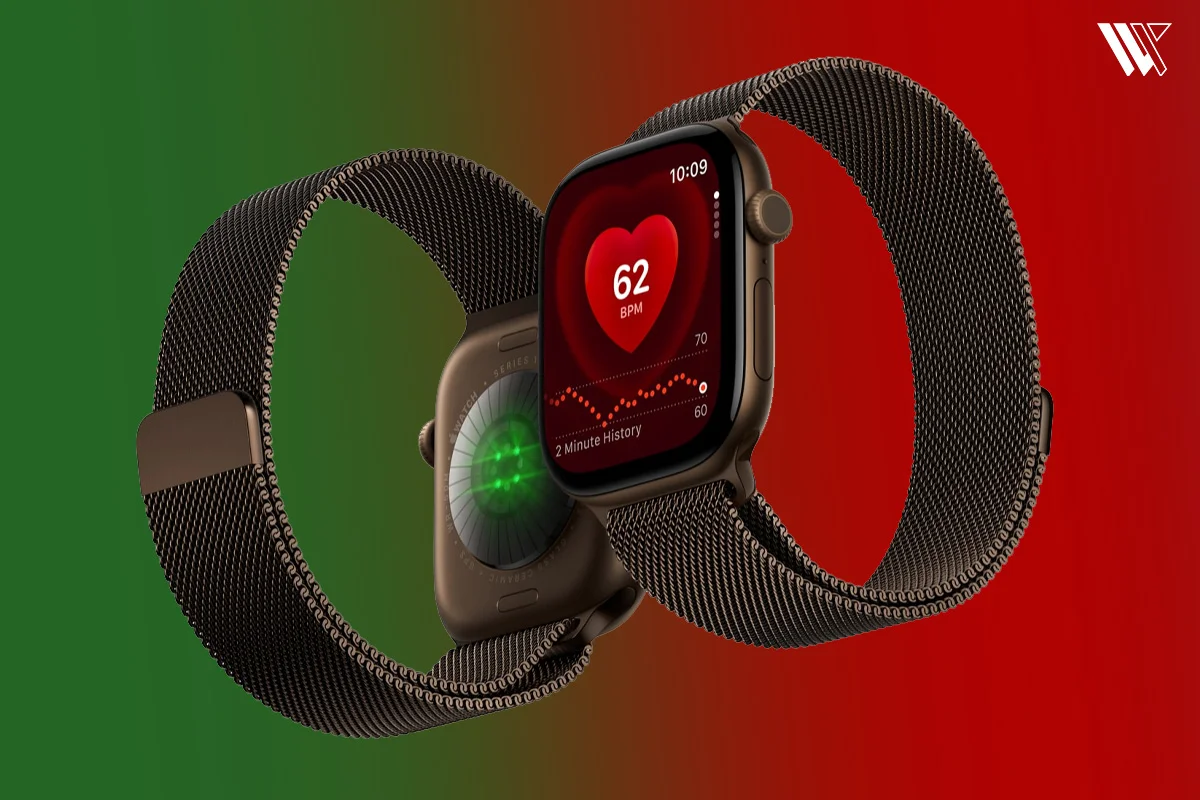
The problem was that all these numbers often felt like pieces of a puzzle scattered across the table. That is where the Apple Health Sensing System gets interesting. Apple is now bringing more of these health signals together, collecting some of them more frequently and using them to understand patterns instead of simply throwing another number at you.
And honestly, that makes this more interesting than Apple adding yet another sensor to the Watch. The bigger question is what happens when the Watch stops just measuring your health and starts making more sense of it. Let’s see what Apple is actually doing with all that data.
What Is Apple’s New Health Sensing System?
© Apple
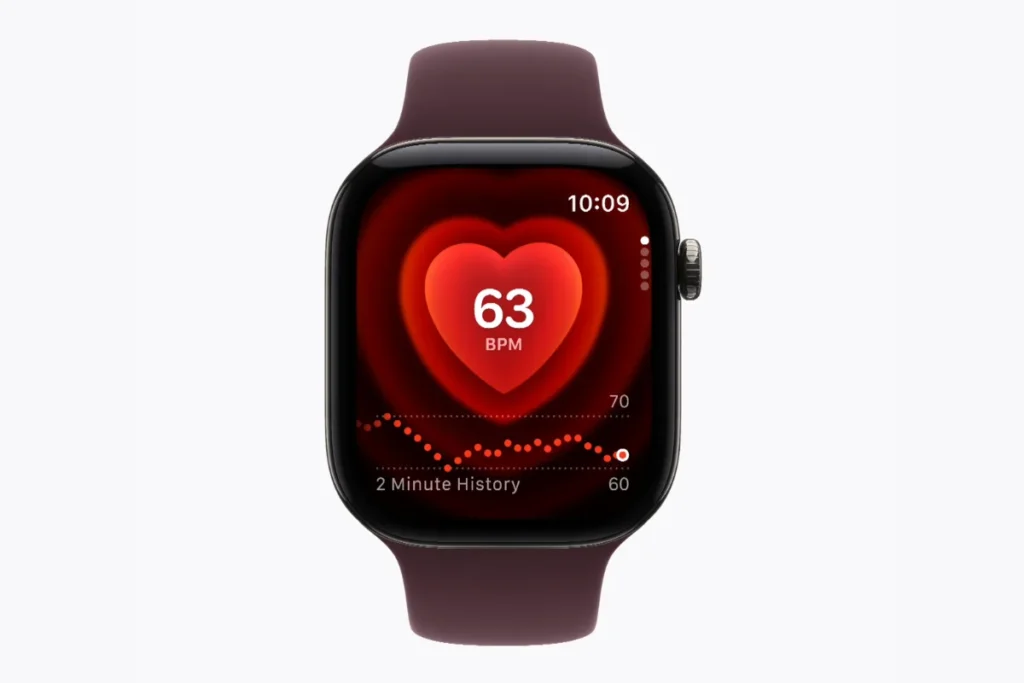
When you hear about the Apple Health Sensing System, it is easy to assume that Apple just added a single new sensor to the back of the Apple Watch. However, that is not the case at all. The Apple Health Sensing System is a new approach to how the Apple Watch gathers and uses health signals. Rather than just being a new piece of hardware, the Apple Health Sensing System is a complex combination of advanced optical and electrical sensors, all powered by the brand-new S11 chip.
Decode the Decor
The Smart Jewelry Revolution — a practical guide to wearable tech.
This system is specifically designed to take health measurements much more frequently than any older Apple Watch models. For instance, the Apple Health Sensing System uses larger, highly power-efficient green LEDs on the back of the watch to measure your heart rate every five seconds, all day long. This is a massive shift in how data is collected. Instead of just grabbing a brief snapshot of your pulse every few minutes, the Apple Health Sensing System creates a much denser picture of how your heart rate changes throughout the day.
Furthermore, the true power of the Apple Health Sensing System lies in its ability to move away from isolated data points. In the past, your smartwatch might simply tell you your heart rate was 75 beats per minute. Now, the Apple Health Sensing System looks at that heart rate alongside your daily movement, your wrist temperature and your overnight sleep patterns to figure out exactly what your body is doing as a whole. It is this fundamental shift from simply collecting raw data to actually interpreting complex health patterns that makes the Apple Health Sensing System so important. Apple is no longer just giving you numbers on a screen, they are giving you the context you need to understand your body.
Why This Is a Bigger Change Than Another Apple Watch Sensor Upgrade
© Apple
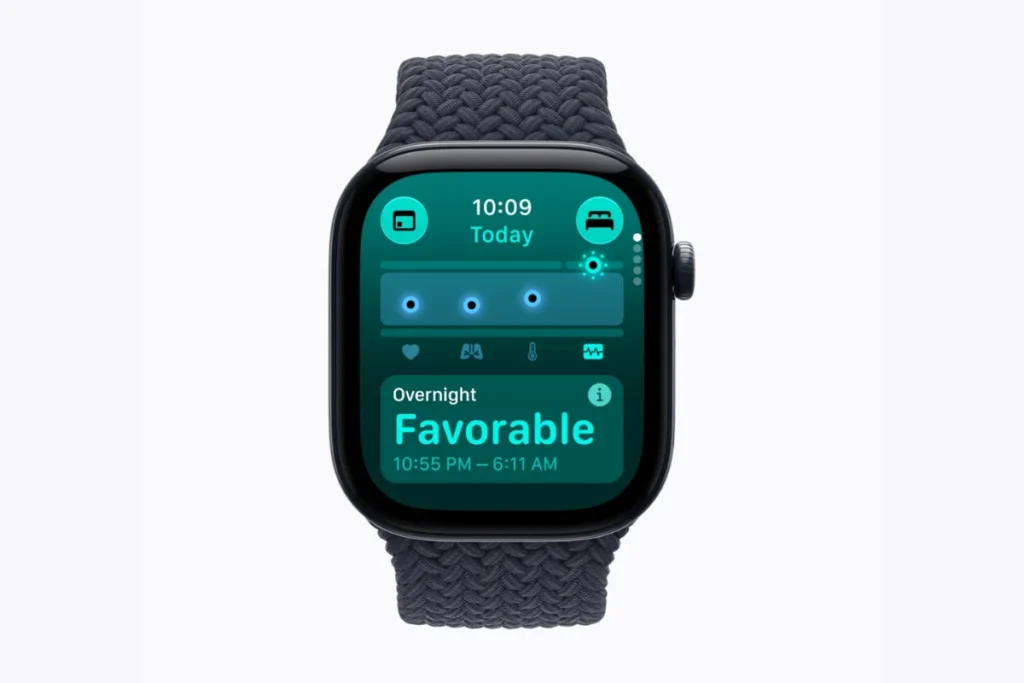
If we look back at the history of the Apple Watch, the focus has almost always been on adding one major new hardware feature at a time. First, it was basic heart rate monitoring. Then, we got the electrical heart sensor for the ECG feature. After that came temperature sensing and eventually more detailed sleep tracking stages. While all of those individual updates were great, the Apple Health Sensing System represents a totally different approach to wearable technology.
The strategic importance of the Apple Health Sensing System is that the real value is now found in the software and the interpretation layer, not just the physical hardware itself. By combining multiple signals from different sensors all at once, the Apple Health Sensing System can generate meaningful health insights and personalized recommendations that were never possible before. To back this up, an official Apple Heart Rate Accuracy Study involving over 1,000 diverse participants showed that this new setup provides the highest accuracy across all leading wearable devices.
If you are someone who frequently checks the heart-rate accuracy of various tracking devices, you will appreciate exactly how the Apple Health Sensing System handles this information. It takes those high-frequency heart rate variability (HRV) readings, which are now taken as often as every 5 minutes and uses them alongside other signals to provide more context around recovery and changes in your usual patterns. The Apple Watch Health Sensing System proves that the future of wearables is about how well the watch can connect the dots between your different health metrics, rather than just adding another random sensor to your wrist every year.
What’s New in Apple’s Health Sensing System
The technology behind the Apple Health Sensing System powers several brand-new capabilities that you can use every single day. These health-focused upgrades are also a big part of what makes the Apple Watch Series 12 worth a closer look. Let us break down the specific features and metrics that make up this impressive new health platform.
All New Metrics: VO2 Max Test
One of the most notable additions to the Apple Health Sensing System is the totally new approach to measuring your cardio fitness. The system includes a much more advanced VO2 max test, which measures the maximum amount of oxygen your body can actively use during intense exercise. While older watches provided a rough estimate, the continuous data flow from the Apple Health Sensing System makes this metric much more reliable. If you want to dive deeper into how this specific VO2 max health measurement works in real life, it serves as a great example of how the new sensors provide insights right on your wrist, helping both athletes and everyday users understand their stamina.
If you use your Apple Watch for running, the right apps can make your workouts even more useful. Check out our guide to the best Apple Watch running apps for tracking and improving your training.
Health Age
Another fascinating feature powered directly by the Apple Health Sensing System is Health Age. This specific metric looks beyond your chronological age, which is just the number of birthdays you have had and estimates your biological age based on your daily health metrics. By analyzing data from the Apple Health Sensing System, such as your resting heart rate, your overall sleep quality and your daily movement routines, the watch calculates how old your body actually acts on the inside. This is a huge step forward for users who want to focus on longevity and health insights rather than just setting short-term fitness goals for the summer.
Readiness App
The Apple Health Sensing System also introduces a brand-new Readiness app that helps you plan your day. This feature carefully analyzes your recent physical activity, your overnight vitals and your sleep score to give you a single readiness score between 0 and 10 every morning. It then gives you a very clear, actionable recommendation: Recover, Pace Yourself, Ready or Go For It. Because the Apple Health Sensing System takes daytime vitals and high-frequency HRV into account, this readiness score updates dynamically throughout the day. If you have an incredibly stressful morning at work, your readiness score might drop by the afternoon, advising you to take it easy rather than hitting the gym hard.
Audio Intelligence
While you might not immediately link your hearing to the Apple Health Sensing System, Apple has cleverly integrated new Audio Intelligence features powered by the fast S11 chip. These features are designed to help users remember key moments from their daily conversations and stay alert to important sounds in their surrounding environment. Built with deep privacy and security at its core, this unique addition shows that the Apple Health Sensing System is looking at your overall awareness and sensory health, not just your heart rate and muscles.
Redesigned Health App
To smoothly handle all the new data coming from the Apple Health Sensing System, Apple is also introducing a completely redesigned Health app for iPhone later this year. This redesign uses Apple Intelligence to make complex biometric data much easier to understand for the average person.
Longevity Tab and Insights Tab
Inside the newly redesigned app, you will find the Insights Tab, which surfaces timely, easy to read information about your heart, sleep and readiness throughout the day. It even has a customized “For You” section that gives personalized recommendations based on your habits. Right next to it is the new Longevity Tab, which takes the massive amount of data from the Apple Health Sensing System and analyzes it over a long period. This specific tab focuses on your long-term health, checking your metabolic health, your mental wellbeing and even your nutrition trends to help you build a strong foundation for a healthier future.
Movement Evaluations
The Apple Health Sensing System also works alongside new Movement Evaluations in the Health app. Using the iPhone camera, vision-based AI models and heart-rate data from Apple Watch, these assessments can evaluate areas such as flexibility, strength, balance, movement mechanics and VO2 max.
Labs
For people who like to keep all their health data perfectly organized in one single place, the new Labs section allows you to bring in your external bloodwork and medical test results. The Apple Health Sensing System can then look at your daily wearable data right alongside your clinical lab results, providing a much more complete and accurate picture of your overall physical condition.
Perimenopause and Menopause Support Arrive on Cycle Tracking
Female health tracking is also getting a major, much-needed boost through the Apple Health Sensing System. The Cycle Tracking feature now includes dedicated, specialized support for perimenopause and menopause. By utilizing the high-frequency temperature sensors and overnight vitals provided by the Apple Health Sensing System, the app can help users identify natural shifts in their body and manage uncomfortable symptoms much more effectively during these critical life transitions.
Apple Is Moving From Fitness Tracking to Health Intelligence
When you step back and look at the whole picture, it is very clear that the Apple Health Sensing System represents a massive shift in the entire wearable industry. For years, the main goal of a smartwatch was simply to count your daily steps, track your outdoor runs and record basic workout metrics. You would look at your fitness tracking ecosystem to see exactly how many calories you burned on a treadmill and that was basically the end of the story.
Now, with the Apple Health Sensing System, Apple is aggressively moving away from basic fitness tracking and stepping firmly into the deeper world of health intelligence. The main goal is no longer just to accurately record what you did during the day, the goal is to understand your daily patterns, predict your future health trends and provide highly personalized guidance. The Apple Health Sensing System wants to tell you why you feel tired today, not just that you slept poorly last night. This major shift proves that the future advantage in wearable technology will come directly from smart algorithms and health interpretation, rather than just having the most hardware sensors on a device.
The Role of AI in Apple’s Health Strategy
© Apple
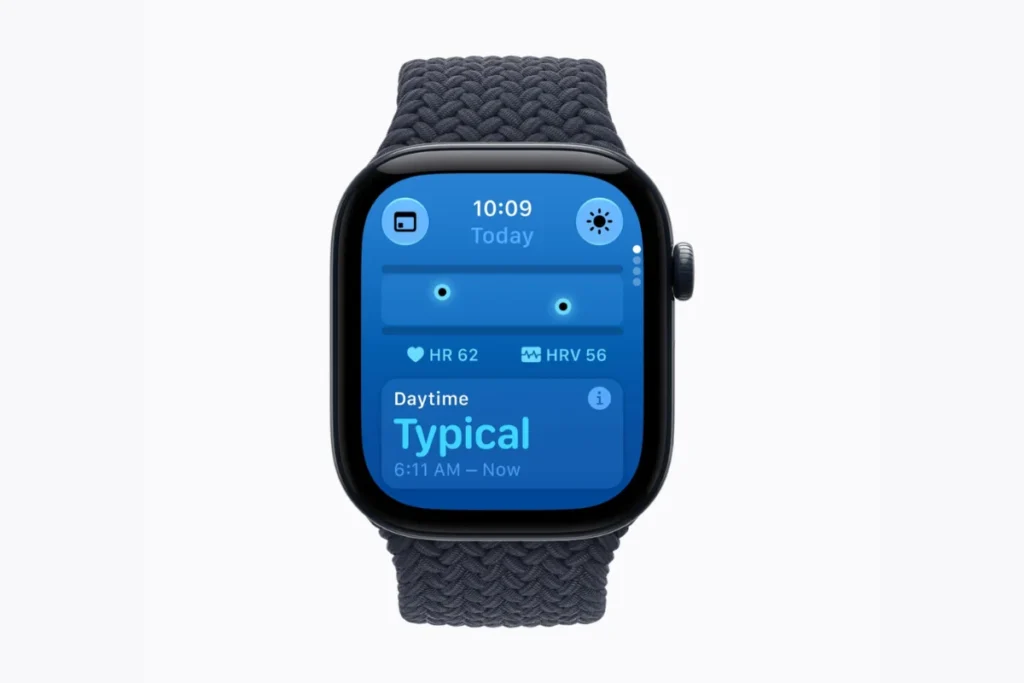
You absolutely cannot talk about the Apple Health Sensing System without discussing the vital role of Artificial Intelligence. Apple Intelligence is deeply and permanently woven into this entire new health strategy. However, it is very important to understand that AI is not replacing the physical sensors on the watch itself. Instead, AI massively increases the practical usefulness of the raw data collected by the Apple Health Sensing System.
For example, when the Apple Health Sensing System securely records your heart rate variability, your sleep stages and your overnight breathing rate, Apple Intelligence takes those confusing raw numbers and instantly turns them into AI-powered health summaries. If you are reading up on sleep monitoring, you already know that raw sleep data can be incredibly confusing to read. Want to compare how different wearables handle sleep data? Take a look at our guide to the best sleep trackers.
The AI looks at the data directly from the Apple Health Sensing System and gives you a simple, personalized insight, like kindly suggesting you improve your evening wind-down routine because you have had a long stretch of late nights. By making complex health data so much easier to understand, AI acts as the perfect, invisible partner to the Apple Health Sensing System.
For runners, accurate heart-rate data can be especially useful for tracking effort and training intensity. Here’s our guide to the best heart rate monitors for running.
What Apple’s Health Sensing System Could Mean for Future Apple Watch Models
Looking ahead to the next few years, the Apple Health Sensing System gives us a very clear hint about what future Apple Watch models might actually look like. Right now, we have confirmed, working features like the daily Readiness score and high-frequency HRV tracking. The same health-focused direction also carries over to Apple’s rugged flagship, the Apple Watch Ultra 4.
But as the Apple Health Sensing System continues to evolve and improve, we can safely expect a heavy lean into much more passive monitoring. You will not have to actively remember to start a health test, the watch will just intuitively know what is happening in the background at all times.
Future versions of the Apple Health Sensing System will likely provide even more personalized health insights and place a much greater, serious focus on overall disease prevention rather than just basic symptom tracking. We are going to see a much deeper integration between the hardware on your wrist and the software on your phone.
While we should always be careful not to claim unannounced features, like non-invasive blood glucose tracking or blood pressure monitoring, it is very safe to say that the strong foundation built by the Apple Health Sensing System makes those future possibilities much more realistic than they were just a year ago.
Wrap Up
The Apple Health Sensing System feels like a change in how Apple wants the Apple Watch to understand health. Instead of simply collecting one number after another, it brings different signals together and tries to turn them into something people can actually understand.
For me, that is the most interesting part.
The future of Apple Watch health tracking may not be about having more numbers on the screen, but about needing fewer numbers to understand what is going on. And if Apple keeps building in this direction, the Watch could become less of a health-data collector and more of a health-data interpreter.
Decode the Decor
The Smart Jewelry Revolution
A practical guide to wearable tech's future — delivered straight to your inbox.
Author
