

Smart glasses have had plenty of chances to become the next big thing. And yet, most of them never really made it there.

The problem was never just about adding a camera, speakers or a little more technology into a pair of frames. The bigger question was much simpler: Would people actually want to wear them every day? That is where Ray-Ban Meta changed the conversation. Instead of making smart glasses look like a gadget first, Meta made them look like something people already knew how to wear.
Now, with the Ray-Ban Meta Gen 3 and the new Ray-Ban Meta Audio, Meta is taking that idea a step further. One brings cameras and more AI-powered awareness, while the other keeps things simpler with audio and hands-free AI. And this time, Meta seems less interested in making glasses look futuristic and more interested in making the future feel normal. So, let’s take a closer look at what the Ray-Ban Meta Gen 3 brings to the table.
Why Previous Smart Glasses Failed to Become Mainstream
Smart glasses have failed many times in the past. The reason is surprisingly simple. Companies focused entirely on the technology before they even thought about usability. They wanted to cram screens, wires and heavy batteries onto our faces.
Decode the Decor
The Smart Jewelry Revolution — a practical guide to wearable tech.
The challenge was never just about adding cameras, speakers or displays. The bigger challenge was getting people to actually wear them every single day. Previous smart glasses struggled for a few key reasons. They had highly unusual designs that made the wearer stand out in a bad way. They had very limited everyday usefulness. They also sparked massive privacy concerns because they looked like surveillance tools. There were simply no clear use cases for the average person.
Technology adoption always depends on three things. It needs to be useful. It needs to be comfortable. Most importantly, it needs social acceptance. This is where the partnership with Ray-Ban changed the whole approach. Meta realized that to make AI wearable technology work, they had to make smart glasses look like normal eyewear first and technology second. The biggest advantage of the Ray-Ban Meta smart glasses was not the processor inside. It was the absolute familiarity of the frame.
Ray-Ban Meta Audio Glasses: The Foundation of Meta’s Wearable Strategy
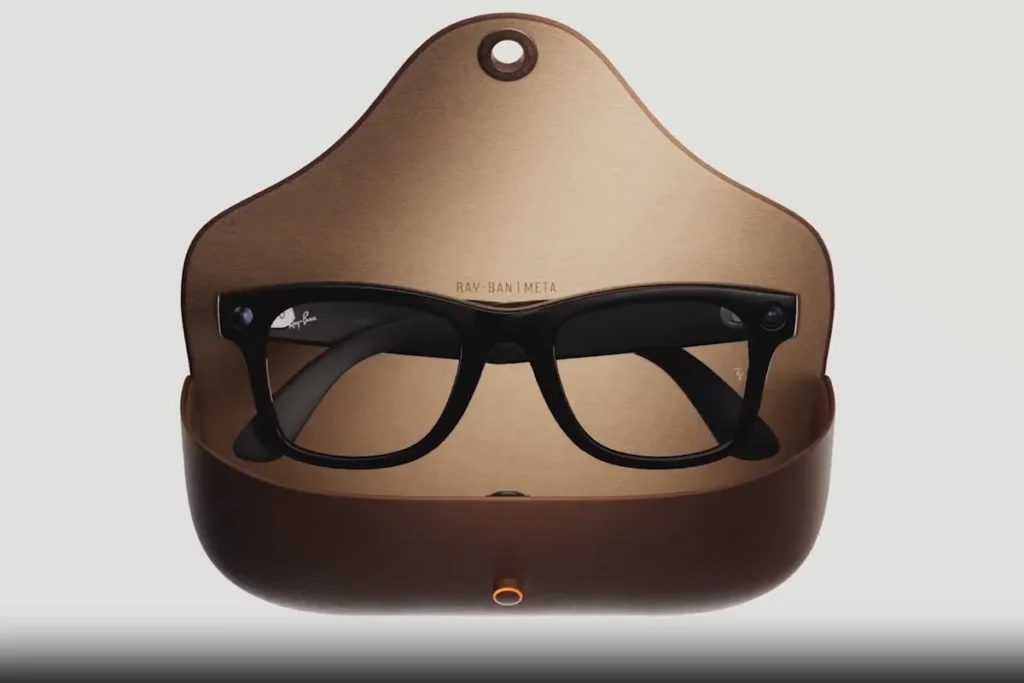
The Ray-Ban Meta Audio Glasses laid the perfect foundation for this entire lineup. These glasses skip the camera completely and pack the power of high-end wireless earbuds right into the frames. At just 43 grams, they are incredibly lightweight. This ultra-light design means you can easily wear them all day without feeling any heavy pressure on the bridge of your nose.
These glasses feature custom open-ear micro-speakers hidden directly inside the temple arms. These built-in speakers use precise directional audio technology to push high-quality sound straight down into your ears. This directional design means you get a deeply private listening experience while drastically reducing audio leakage, so the person sitting next to you cannot hear your music or phone call. You get to enjoy your favorite tracks and take hands-free calls while staying completely aware of the world around you.
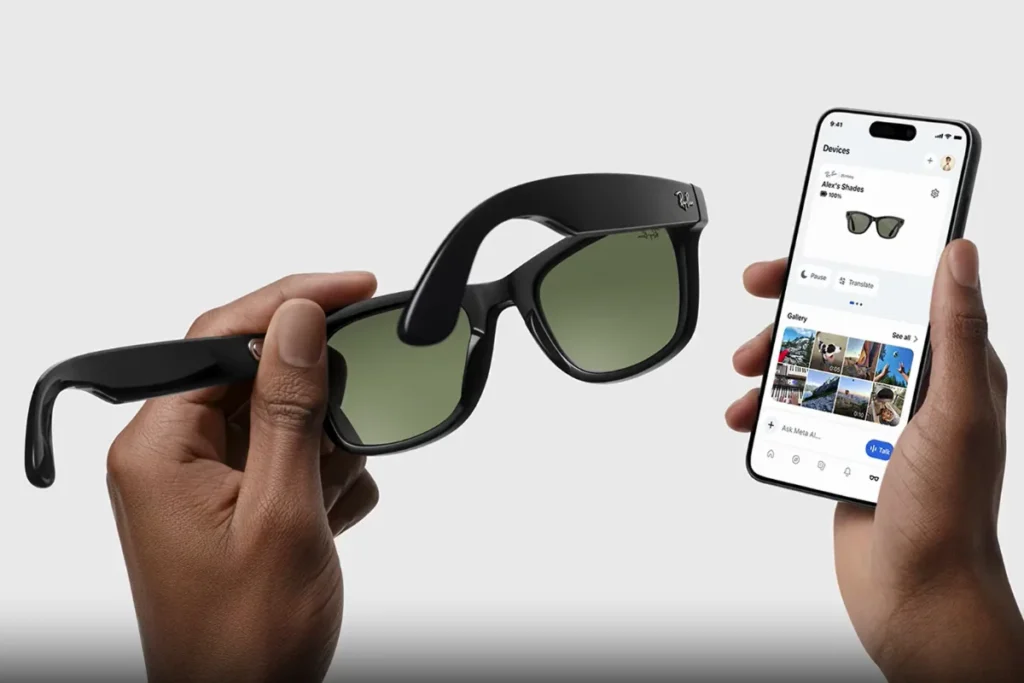
Along with great speakers, they also feature an advanced 6-microphone beamforming array. These multiple microphones work together using powerful noise-reduction technology. This 6-mic system filters out heavy wind, traffic and background chatter, which means your voice sounds crystal clear during phone calls and when speaking to Meta AI.
© Ray-Ban
© Ray-Ban
To keep everything running smoothly, these audio glasses offer up to 12 hours of battery life on a single charge. This massive battery upgrade means you can stream podcasts or talk to your AI assistant from morning to night without worrying about finding a plug. Audio was the absolute easiest entry point for this wearable technology. Because it added highly useful features without requiring users to learn new habits or change their natural behaviour, people actually wanted to buy them.
Unlike traditional smart glasses that force a tiny screen in front of your eye, users do not need to look at a display. They can simply put them on and wear them like normal sunglasses. By perfecting these core audio and microphone components first, this simple step paved the way for the advanced visual AI found in the Ray-Ban Meta Gen 3 today.
Why Audio Was the Right First Step for Smart Glasses
Beginning with audio was pure genius. This is because audio immediately addresses problems faced by the common man. One can take calls without even having to hold a phone near one’s ear. Moreover, one can listen to music or any podcast without losing track of one’s surroundings, such as when one is walking amidst vehicles.
Audio also provides a direct interface to accessing AI through voice. Let me compare this to a typical smartwatch. One has to look at a small screen on the smartwatch. One also has to use his/her fingers to operate. On the contrary, there is nothing but a hands-free interface in the case of audio glasses.
The trend of using voice as an interface to interact with AI is rising quickly. The company has already set the perfect stage for launching the Ray-Ban Meta Gen 3.
Ray-Ban Meta Gen 3: Moving From Connected Glasses to AI Glasses
© Ray-Ban
© Ray-Ban
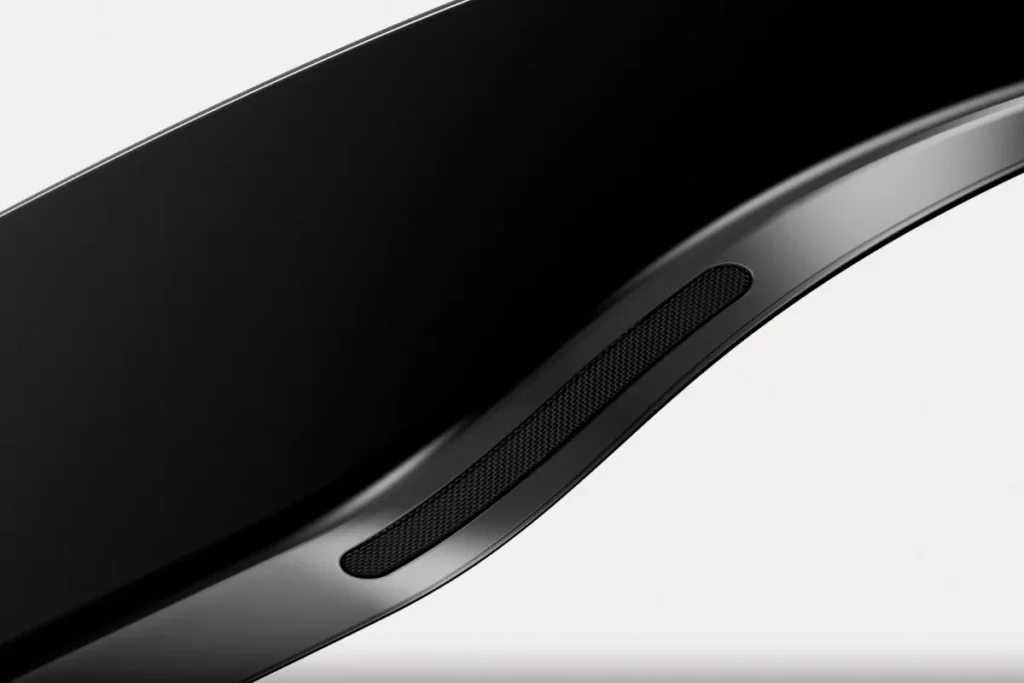
The Ray-Ban Meta Gen 3 represents a massive leap from simple connected glasses to true AI glasses. Meta has packed some serious hardware improvements into these frames.
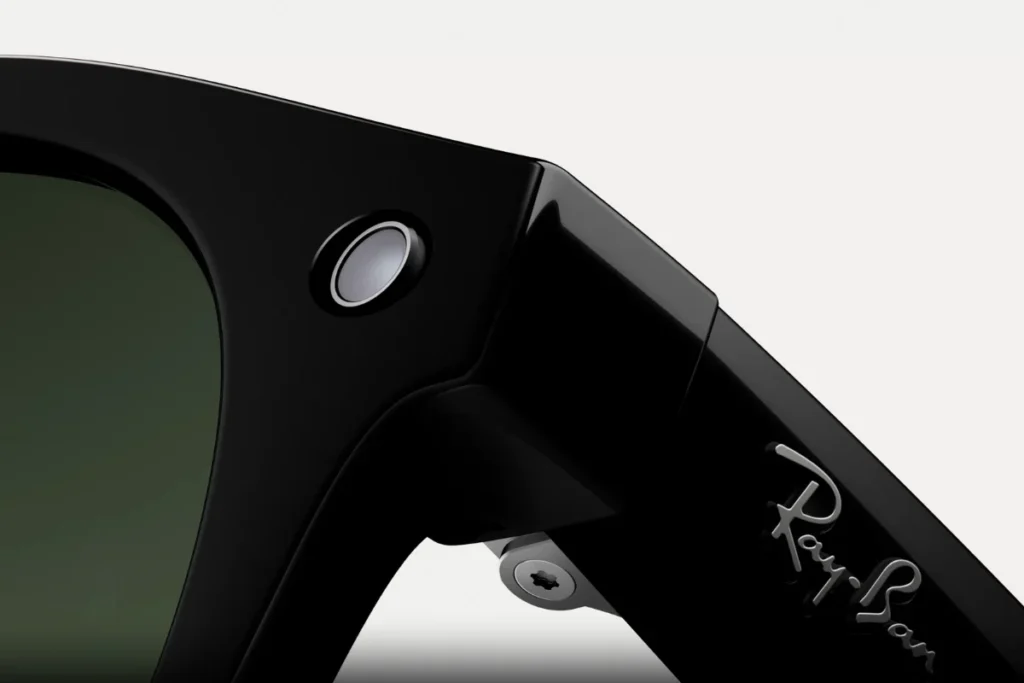
First, let us look at the camera upgrades. The Ray-Ban Meta Gen 3 features a 12-megapixel ultra-wide camera. This means your photos will look incredibly sharp and detailed.
Furthermore, it can record video in 3K Ultra HD resolution. This means your first-person videos will look crisp and professional on social media. Next, we have to talk about the battery. The Ray-Ban Meta Gen 3 provides up to 9 hours of battery life on a single charge. In addition to this, the sleek charging case gives you an extra 50 hours of power. This means you can take them on a weekend trip without constantly searching for a wall outlet.
Another major upgrade is the custom 6-mic array. The Ray-Ban Meta Gen 3 uses 6 different microphones built into the frame. This means the glasses can cut out more than 90% of background noise. Therefore, even if you are standing on a windy street, the person on the other end of your phone call will hear you perfectly.
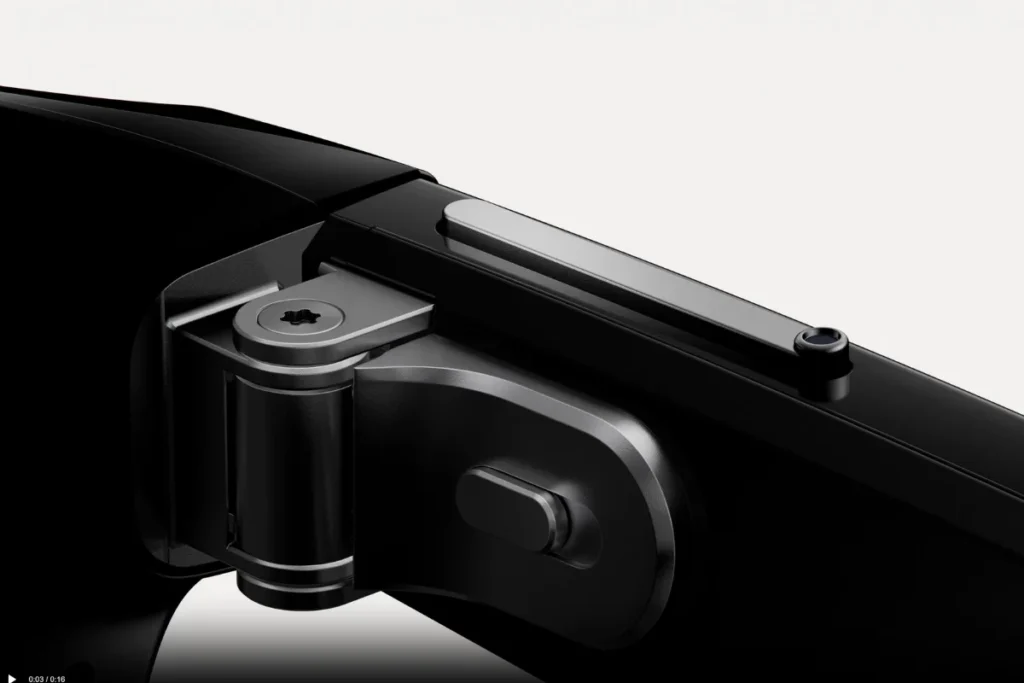
Furthermore, the Ray-Ban Meta Gen 3 introduces a brand-new assignable action button. This means you can customize a specific button on the frames to do exactly what you want. For example, you can set it to instantly call your favorite contact or trigger a live translation.
© Ray-Ban
© Ray-Ban
© Ray-Ban
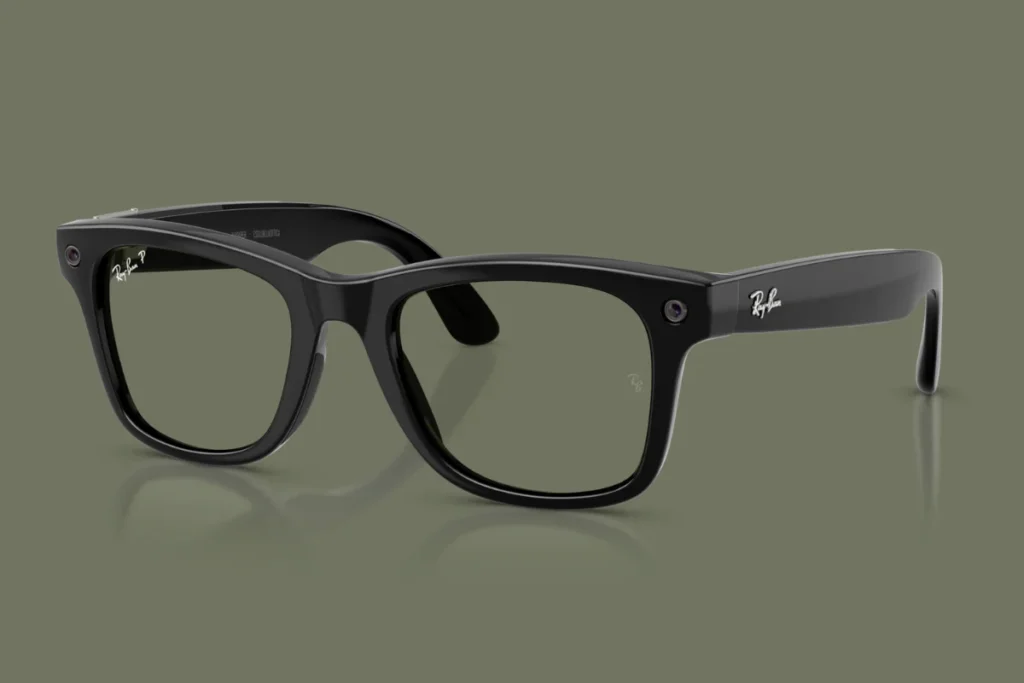
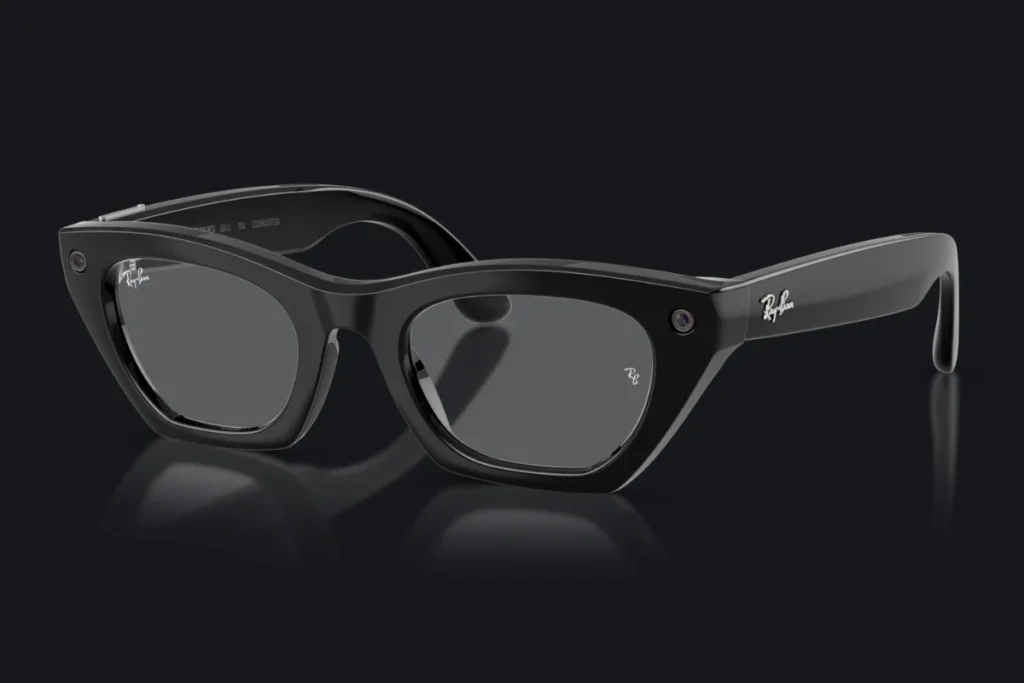
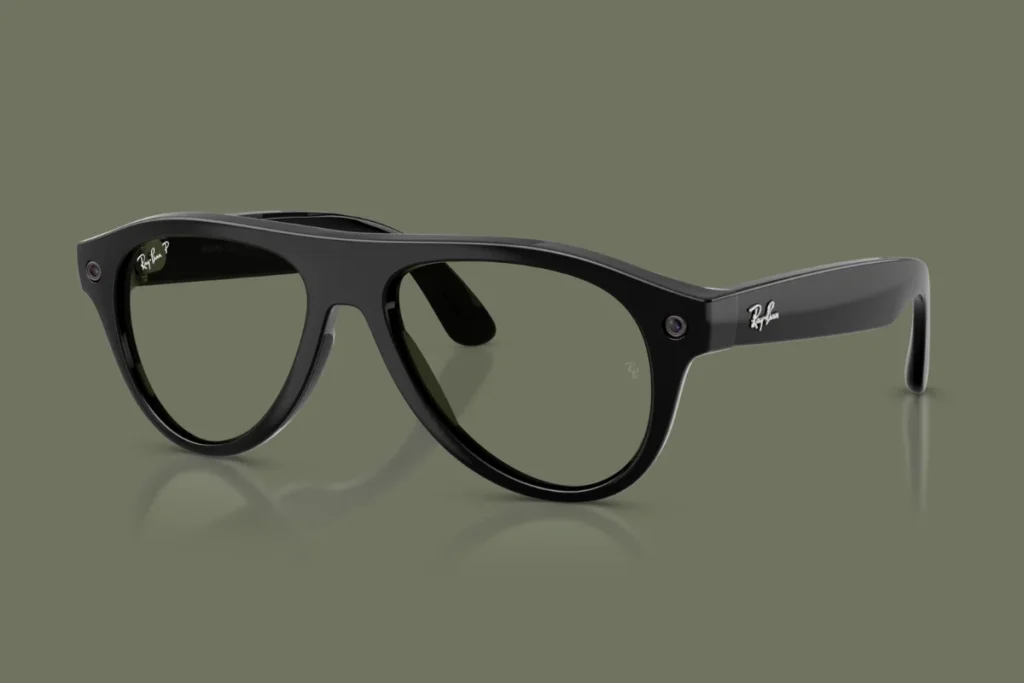
Finally, these frames come in multiple iconic styles. You can get the Ray-Ban Meta Gen 3 in the classic Wayfarer shape, the timeless Aviator style or the bold new Zena design. This means you can find a pair that perfectly matches your personal fashion sense. However, the biggest change is not the hardware itself. Rather, it is the intelligence behind them. The Ray-Ban Meta Gen 3 is built to understand the world around you.
The Camera Changes Everything: From Recording to Understanding
When you think about the camera on the Ray-Ban Meta Gen 3, you probably just think about taking photos. However, this camera changes everything because it moves from simple recording to actual understanding.
If we look at traditional wearable sensors, they are very internally focused. For example, a smartwatch tracks your heart rate, monitors your movement and logs your sleep. It only knows about you. In contrast, AI glasses track the outside environment. The Ray-Ban Meta Gen 3 uses its camera to look at objects and understand your surroundings.
This means a camera gives artificial intelligence something that smartphones already have: context. Because the Ray-Ban Meta Gen 3 can see what you see, the AI can assist you in real time. For example, imagine you are looking at a beautiful plant in a park. You can simply ask the Ray-Ban Meta Gen 3 what kind of plant it is. The camera identifies the object and the AI speaks the answer into your ear. This means you learn about the world instantly.
Also, the Ray-Ban Meta Gen 3 is amazing for translating text. If you travel to a foreign country, you can look at a menu in a different language. Because of the AI, the glasses will translate the text and read the options out loud to you. As a result, navigating a new country becomes stress-free. It can also answer complex questions about your surroundings. This means the Ray-Ban Meta Gen 3 acts like a highly intelligent tour guide sitting right on your face.
Ray-Ban Meta Audio Glasses vs Ray-Ban Meta Gen 3: Two Different Roles
| Feature | Ray-Ban Meta Audio Glasses | Ray-Ban Meta Gen 3 |
|---|---|---|
| Main purpose | Everyday audio wearable. | AI-powered smart glasses with vision. |
| Camera & Video | No camera included. | 12-megapixel ultra-wide camera with 3K video recording. |
| Interaction style | Audio and basic voice commands only. | Advanced AI with visual understanding and voice. |
| Primary feature | Hands-free listening and calling. | Context-aware assistance that literally sees what you see. |
| Microphone setup | 6-mic array (wind noise reduction) | 6-mic array (cuts 90% background noise) |
| Privacy Indicator | Not required (no camera) | Capture LED light when recording |
| Battery Life | Up to 12 hours (+48 hours via case) | Up to 9 hours (+50 hours via case) |
| Weight | 43g | 51.5g (Wayfarer standard size) |
How Ray-Ban Meta Glasses Could Change Smartphone Usage
The Ray-Ban Meta Gen 3 is not designed to replace a smartphone entirely. However, several of its features could reduce how often users need to take their phones out.
Communication is one of the most obvious examples. The built-in microphones and open-ear speakers allow users to make and receive supported calls. Voice commands also make it possible to send messages through compatible services.
Information is another area where the glasses can help. Instead of opening a search engine for every small question, users can ask Meta AI directly. The camera adds another layer by allowing the assistant to respond to questions about visible objects and surroundings.
Photography and video recording also become more convenient. The built-in camera lets users capture moments without holding a smartphone.
These features are particularly useful for short, simple interactions. However, tasks such as writing long messages, editing videos, browsing websites and managing complex applications still benefit from a smartphone’s larger display.
Therefore, the Ray-Ban Meta Gen 3 is better understood as an additional way to interact with digital information rather than a complete smartphone replacement.
Why Fashion Is the Secret Weapon Behind Ray-Ban Meta
We can talk about megapixels and battery life all day, but none of it matters if the glasses look terrible. The biggest barrier for the wearable industry has always been vanity. People simply need to want to wear them.
This is exactly why fashion is the secret weapon behind the Ray-Ban Meta Gen 3. Ray-Ban provides a deeply familiar design that people have loved for decades. They bring immense fashion credibility to the table. By offering the Ray-Ban Meta Gen 3 in multiple styles like the Wayfarer, the Aviator and the Zena, they cater to everyone’s personal taste.
When we compare this to other companies, the difference is obvious. Traditional technology companies often build devices that look like computers. Because of this, they feel cold and robotic. On the other hand, Ray-Ban builds something that people already wear every day. This means you do not have to compromise your personal style just to use the latest technology.
The Biggest Challenge: Privacy and Social Acceptance
It is completely fair to be irrational or hesitant about wearing a camera on your face. Therefore, we have to look at the bad things as well. The success of the Ray-Ban Meta Gen 3 depends as much on social acceptance as it does on technology.
First of all, there are huge camera concerns. Video recordings in public areas make people feel uneasy. Meta has an LED indicator that lights up when the camera is turned on. In other words, everybody in the area knows whether you are recording or not. However, trust issues remain. Many users fear that the LED light can be blocked by the user.
In addition to that, there are legitimate concerns regarding the AI technology. The Ray-Ban Meta Gen 3 uses lots of visual information to recognize the user’s surroundings. As a result, data processing and dependence on cloud technology are of great concern. Since AI depends on cloud servers to answer complicated queries, one needs to trust the company with the data that is being provided to the system. Moreover, AI is never completely accurate. In other words, the device might misidentify objects or translate something in an incorrect way. Thus, building trust is the main challenge for the Ray-Ban Meta Gen 3.
Wrap Up
The Ray-Ban Meta Gen 3 shows how smart glasses are evolving from simple gadgets into everyday AI companions. While privacy concerns and AI accuracy remain challenges, Meta’s approach of combining familiar designs with useful technology could change how we interact with wearables. After all, the future of smart glasses may not be about wearing more technology, but about making technology feel almost invisible.
FAQs
Decode the Decor
The Smart Jewelry Revolution
A practical guide to wearable tech's future — delivered straight to your inbox.
Author
